Sudoku Printables: Free Downloads for Brain Health and Focus
Discover high-quality printable sudoku puzzles. Learn why paper-based logic games are trending in 2026 and how to use them to boost cognitive health.
By Free To Play Puzzles Editorial Team 10 min read
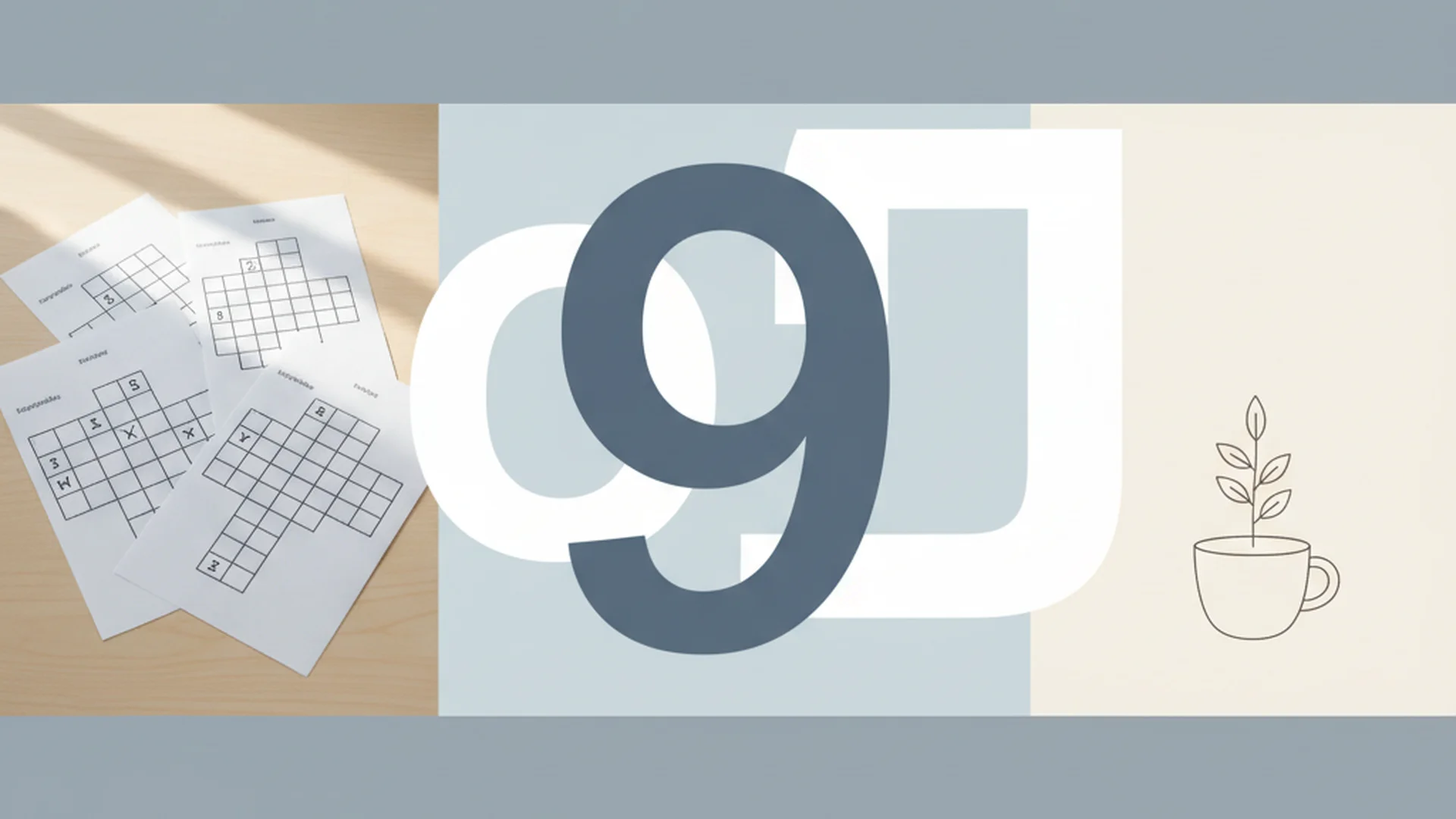
In an increasingly digital world, the simple act of putting pencil to paper is becoming a luxury. Different forms of stimulation affect the human brain in different ways. While digital apps are convenient, there is a measurable shift toward printable sudoku in 2025 and 2026. This "analog resurgence" isn't just about nostalgia; it is about providing the brain with a focused, distraction-free environment that digital devices simply cannot replicate.
Sudoku printables have seen a massive 35% surge in downloads recently as more people seek screen-free mindful activities. Whether you are looking for a free sudoku printable to enjoy with your morning coffee or a stack of expert grids for a long flight, the tactile experience of paper and ink enhances logical processing and spatial awareness.
Why Print Sudoku Instead of Using an App?
The transition back to paper-based puzzles is a key driver for the 2025–2026 "analog" trend. When you use a printable sudoku, you are removing the barriers of blue light, push notifications, and battery anxiety. This allows the brain to enter a "flow state" more easily.
From a neurological perspective, the tactile experience aids concentration. Writing numbers by hand engages different motor pathways in the brain compared to tapping a screen. This physical engagement can actually help in "tracking" possibilities and visualizing the grid more effectively. Furthermore, paper allows for more flexible "pencil marking"—a technique essential for mastering expert sudoku techniques.
The Digital Detox Benefit
One of the primary reasons to choose printables is the reduction in digital distractions. In a study of puzzle-solving behavior, participants using paper versions reported 20% higher satisfaction and lower stress levels compared to those using mobile apps, which often include intrusive advertisements or time pressure.
Understanding the Anatomy of a Sudoku Puzzle
Not all Sudoku puzzles are created equal. To ensure you are downloading high-quality grids, it helps to understand the "17 Clue Rule." Mathematically, a valid 9x9 Sudoku puzzle with a unique solution must have at least 17 initial "givens" (clues). If you find a free sudoku printable with only 15 or 16 numbers filled in, it is logically impossible for that puzzle to have one single, unique solution.
Difficulty Levels by the Numbers
When browsing for printables, the number of "givens" usually dictates the difficulty. Use the following table to find a puzzle that matches your current skill level:
| Difficulty Level | Number of Givens | Best For |
|---|---|---|
| Easy | 30–35 | Beginners & Quick Warmups |
| Medium | 25–30 | Daily Mental Maintenance |
| Hard | 22–24 | Logic Enthusiasts |
| Expert | Fewer than 22 | Advanced Strategy Practice |
Advertisement
Expert Tips for Solving Printables
Solving on paper requires a slightly different approach than solving on a screen. Because you cannot simply hit an "undo" button, your strategy must be more deliberate.
1. The Systematic Scan
Don't jump randomly across the grid. Focus on one number at a time—find all the 1s, then all the 2s. Scan rows first, then columns, then 3x3 boxes. This methodical approach ensures you don't miss "low-hanging fruit," such as a box that already has eight numbers filled in.
2. Candidate Marking (The Pencil Technique)
Some beginners feel that writing small "candidate" numbers in the corners of cells is cheating. In reality, it is a fundamental skill. As puzzles get harder, the human brain cannot hold all the logical possibilities for 81 cells simultaneously. Writing your notes clearly is a sign of an advanced solver.
3. Focus on the 3x3 Boxes
A common mistake is focusing so much on the long 9-cell rows and columns that you ignore the 3x3 internal squares. These smaller regions often hold the easiest clues to unlock a stalled puzzle.
Trends in Sudoku Printables for 2026
As standard 9x9 grids have become ubiquitous, the market is shifting toward "Exotic Sudoku." These variations offer new challenges for seasoned players who have mastered the standard format.
- Samurai Sudoku: This consists of five overlapping 9x9 grids. The central grid shares its corner boxes with the four outer grids, requiring a massive amount of cross-referencing logic.
- Wordoku: This version uses letters instead of numbers. While the logic is identical, many players find it more difficult because the human brain is trained to look for word patterns, which can actually be a distraction.
- Large Print Accessibility: We are seeing a significant rise in "Senior-Friendly" printables. These feature extra-large boxes and high-contrast lines, making them ideal for players with vision impairment or those who simply want more room for notes. For more on this, check out our guide on the best brain games for seniors.
Common Mistakes to Avoid
Even experienced solvers can fall into traps when working with paper puzzles. Here are the most common pitfalls:
- Using Pen Too Early: Unless you are a world-class competitor, always start with a pencil. The ability to erase "candidate marks" as you narrow down possibilities is vital.
- Ignoring the "Low-Hanging Fruit": Beginners often try to solve the hardest part of the puzzle first. Always look for rows or columns that already have 6 or 7 numbers. These are your easiest wins.
- Hyper-Focusing on One Area: If you spend more than five minutes on a single 3x3 box without progress, your perspective has likely become "stale." Shift your focus to the opposite side of the grid to reset your brain.
- The Math Myth: Many people avoid Sudoku because they "aren't a math person." Remember, Sudoku requires zero arithmetic. You are simply arranging symbols so they don't repeat. For more on this, read about common Sudoku mistakes to avoid.
Advertisement
Frequently Asked Questions
Is Sudoku actually good for your brain?
Yes. Research in the field of cognitive neuroscience suggests that regular engagement with logic puzzles like Sudoku can improve logical thinking, memory, and overall brain health. It is often recommended as a staple for senior mental wellness. You can learn more about this in our article on brain health and puzzles.
Do I need to be good at math to play?
No. Sudoku is a logic-based game, not a math game. The numbers are simply symbols used to fill the grid. You could replace the numbers 1-9 with different colors or letters (like in Wordoku), and the game would play exactly the same way.
Can a Sudoku puzzle have more than one solution?
No. A professionally constructed Sudoku puzzle must have exactly one unique solution. If you find yourself in a situation where two different numbers seem to work in the final two spots, either the puzzle is poorly designed or a mistake was made earlier in the process.
Why should I print them instead of using an app?
Printing provides a tactile experience that aids concentration and avoids the "blue light" exposure that can disrupt sleep and focus. It is also an excellent way to practice a "digital detox" while still keeping your mind active.
Can every Sudoku be solved without guessing?
Every properly designed puzzle can be solved using pure logic. If you feel forced to guess, it typically means you haven't yet mastered a specific advanced technique, such as hidden singles or diagonal constraints.
Conclusion
Sudoku printables are more than just a way to pass the time; they are a powerful tool for maintaining cognitive sharpness and finding a moment of peace in a noisy world. By choosing paper over a screen, you are giving your brain the gift of deep focus. Whether you are a beginner starting with easy sudoku puzzles or a veteran tackling a Samurai grid, the logic remains the same: one step at a time, one number at a time.
Ready to Start?
Download our latest collection of logic-boosting puzzles today.
Put it into practice

Keep reading

Sudoku
Best Sudoku Apps 2025: Top-Rated Mobile Puzzles for Brain Health
Explore the best sudoku apps of 2025. Expert reviews of top-rated mobile puzzles featuring AI tools, competitive modes, and cognitive health benefits.
Sep 21, 2026 12 min
Sudoku
Mini Sudoku: The Ultimate Quick Puzzle for Fast Brain Training
Explore the science behind Mini Sudoku and 4x4 puzzles. Learn how these 'brain snacks' improve memory by 18% and discover expert strategies for 60-second solves.
Mar 8, 2026 10 min
Sudoku
Sudoku vs Kakuro: Which Number Puzzle is Right for Your Brain?
Compare Sudoku vs Kakuro in this comprehensive guide. Discover strategies, cognitive benefits, and 2026 puzzle trends from a brain health specialist.
Jul 25, 2025 12 min
Advertisement