


About our word & logic games
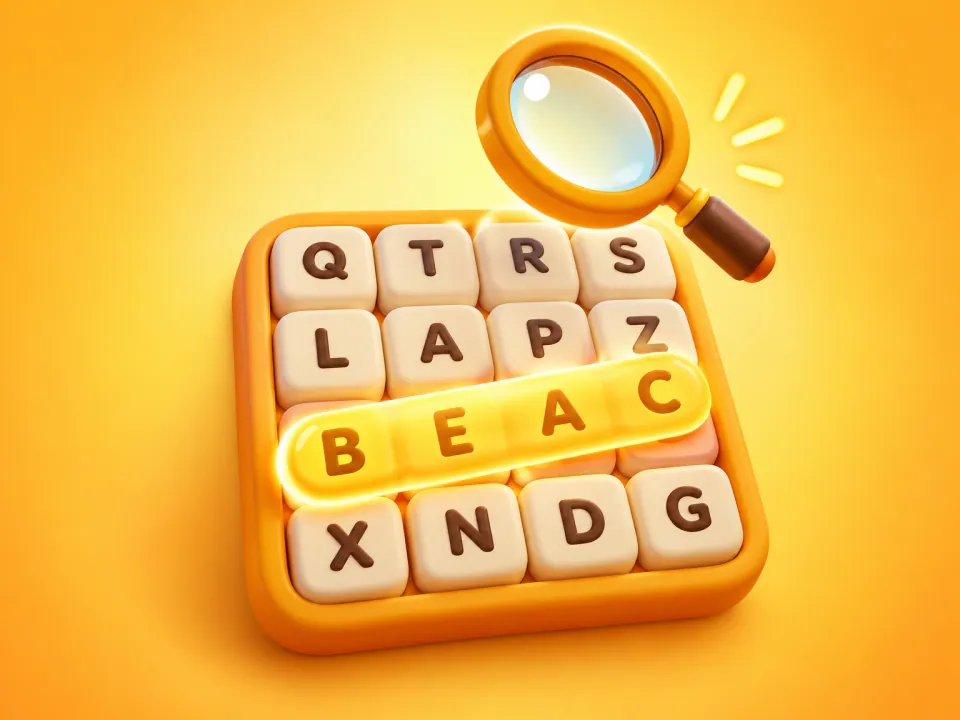
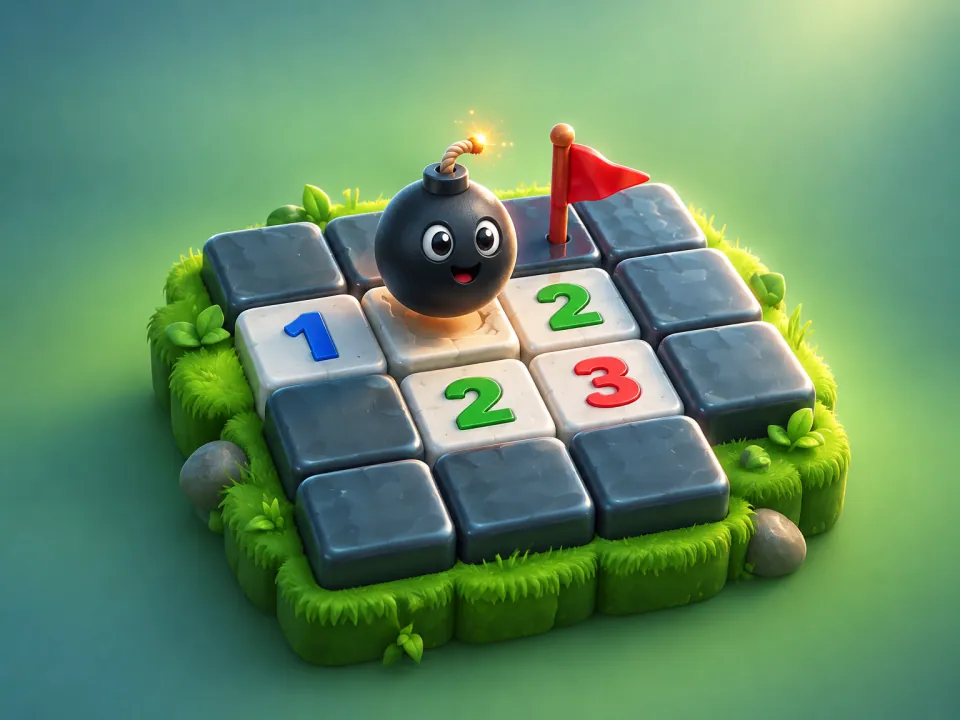
This shelf brings our word and logic games together: crosswords, word search and daily word puzzles side by side with Sudoku, logic grids, nonograms and Minesweeper. They look different on the surface, but they share a core idea. Every one is a set of rules and clues that narrows a problem down until only one answer fits.
That is why people who love one kind often enjoy the other. A crossword solver already uses crossing letters to rule out answers, which is exactly the move a Sudoku player makes with rows and columns. Putting them on one page makes it easy to alternate between a verbal puzzle and a numerical or visual one.
All of these games are free in your browser with no download, most have a daily edition, and timed puzzles feed the leaderboards so you can track your best solves.
Where to start
 CrosswordsThe classic word-plus-logic puzzle: clues give you options, crossings pin them down.
 SudokuThe purest logic warm-up, with a daily grid and difficulty from Easy to Expert.
 Word LadderA true hybrid: a word puzzle you solve by planning steps, like a logic chain.
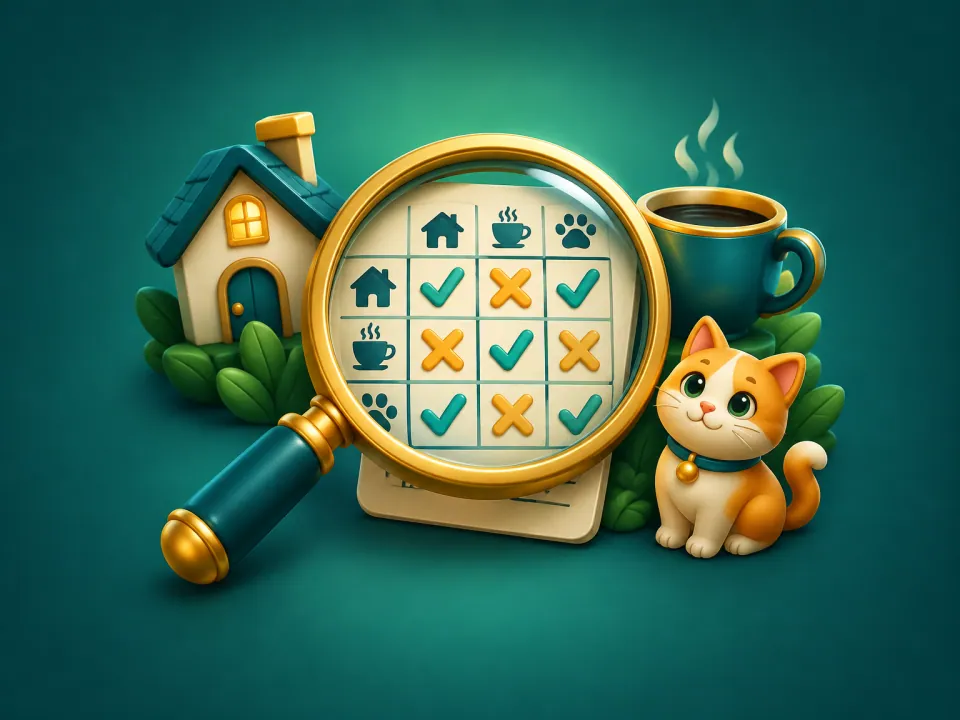
 Logic PuzzlesDeduce who owns what from a handful of clues. Great if you love mystery novels.
 NonogramVisual logic that rewards patience and ends with a picture reveal.
 Word GuessFive letters, six guesses: a daily exercise in narrowing down possibilities.
Advertisement
Why word and logic puzzles belong together
Puzzle designers sometimes describe both crosswords and Sudoku as constraint puzzles. Each clue or rule removes possibilities, and the solution is what remains when every constraint is satisfied at once.
In a crossword, the constraints are the clue and the letters that cross it. In Word Guess, each colored tile tells you which letters are in or out. In Sudoku, a number cannot repeat in its row, column or box. In a logic grid puzzle, statements like "the baker does not live next to the teacher" eliminate combinations one by one.
Once you notice the pattern, techniques transfer in a practical sense: the habit of asking "what can this not be?" is useful in every game on this page.
Try a two-puzzle habit
If you want a daily routine that uses both halves of this shelf, pair one word puzzle with one logic puzzle. A few combinations that work well:
- Quick (5 minutes): the daily Word Guess and an Easy Sudoku.
- Relaxed (15 minutes): a themed Word Search followed by a small Nonogram.
- Challenging (30 minutes): the full daily Crossword and a Hard Logic Puzzle.
- Something different: a Word Ladder and a round of Minesweeper. Both reward planning a few moves ahead.
Alternating between verbal and visual or numerical puzzles keeps things fresh, and many solvers find it easier to stay with a daily habit when the games vary. You can find every daily edition on the Daily Challenge page.
Where to go next
If you find yourself gravitating toward one side, each has its own collection. Our word games page covers every vocabulary game in more depth, and the puzzle games page includes picture and spatial puzzles like Tangram and Jigsaw Puzzle. If what you enjoy most is the mental workout itself, the brain training guide explains which games target which skills.
Frequently asked questions
What counts as a logic game?
A logic game is one you solve by reasoning from rules and clues rather than by luck or reflexes. On this page that includes Sudoku, KenKen, Nonogram, Minesweeper, Logic Puzzles, Tangram and the Sliding Puzzle.
I am good at crosswords. Which logic puzzle should I try first?
Try Logic Puzzles. They are driven by written clues, so they feel familiar to crossword solvers, and the Easy level teaches the grid-marking method gently.
Are word games or logic games harder?
Neither is harder in general; it depends on your strengths. Word games lean on vocabulary and recall, while logic games lean on systematic reasoning. Both have easy and very hard levels on this site.
How is this page different from the brain training page?
This page focuses on classic puzzles you solve at your own pace. The brain training page adds short, timed tests of reaction speed, attention and memory, and suggests a daily routine.
Do these games have daily puzzles?
Most do. Crosswords, Word Search, Word Guess, Spelling Bee, Word Ladder, Sudoku, KenKen, Nonogram, Logic Puzzles and Jigsaw Puzzle all have a new daily puzzle.