High-ROI Brain Health: The Ultimate Guide to Budget Puzzle Activities for Seniors
Discover how to maintain cognitive health with cheap puzzle activities. Learn sourcing tips, 2025 trends, and budget-friendly ways to keep seniors engaged and sharp.
By Free To Play Puzzles Editorial Team 12 min read
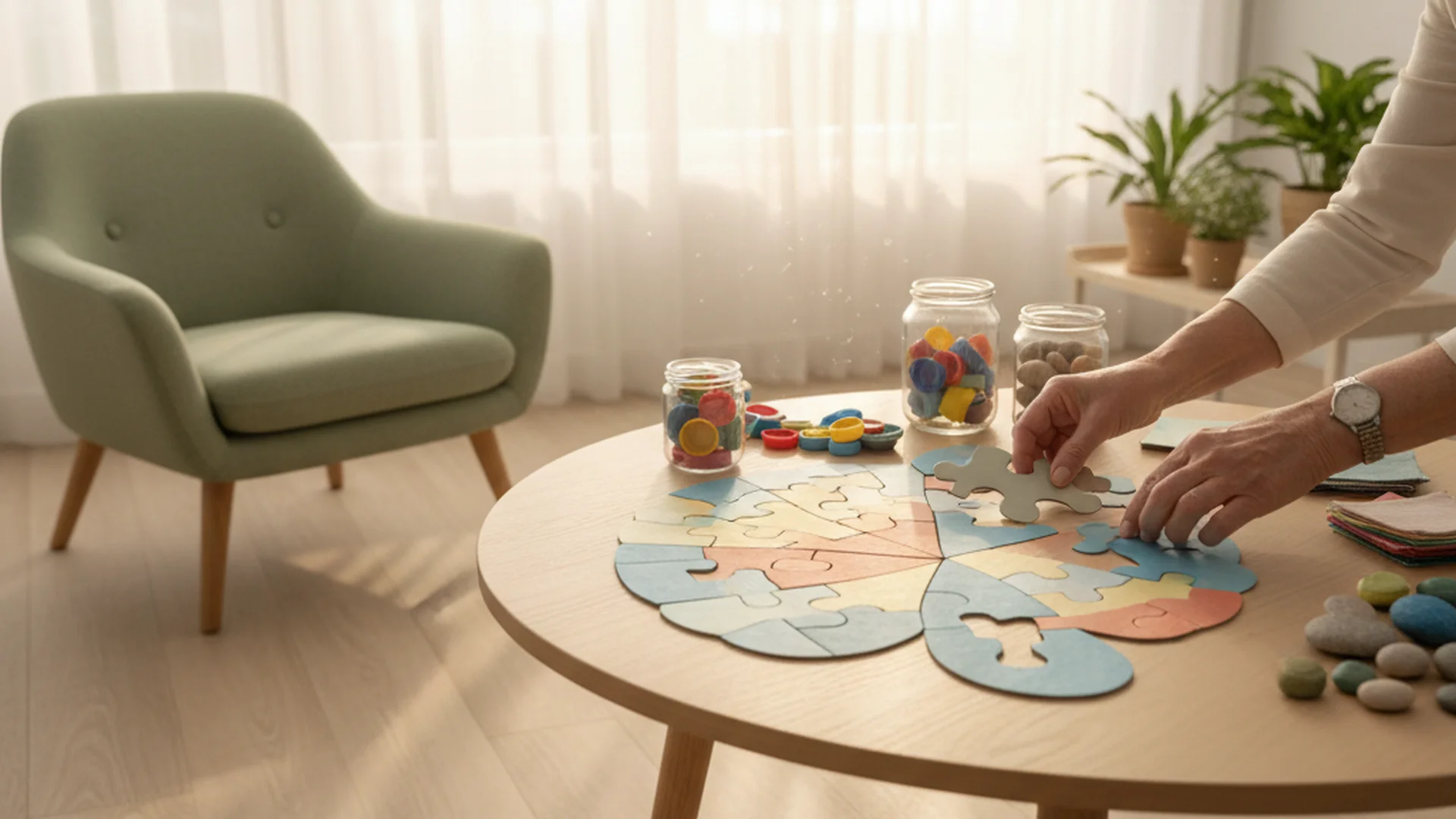
In the world of mathematical logic and competitive gaming, we often focus on the complexity of the challenge. However, as a tournament director, I’ve seen firsthand that the most effective cognitive tool isn't necessarily the most expensive one. For seniors and caregivers looking to maintain mental acuity, cheap puzzle activities offer a high-return investment in long-term brain health.
Staying mentally active shouldn't be a financial burden. Whether you are living in assisted living or aging in place, there are countless ways to access high-quality puzzles for little to no cost. In this guide, we will explore how to build a robust "puzzle library" on a budget, the 2025 trends in affordable cognitive play, and why physical puzzles remain the gold standard for senior wellness.
The Cognitive Value of Affordable Puzzling
Before we dive into the "where" and "how" of sourcing, it is essential to understand the "why." Research from the University of Exeter and King’s College London has demonstrated that seniors who engage regularly with word and number puzzles possess brain function equivalent to someone a decade younger.
This isn't just about passing the time; it’s about neuroplasticity. Every time a senior matches a shape or solves a logic grid, the brain releases dopamine. This neurotransmitter is a key player in improving mood, concentration, and motivation. In an environment where social isolation can be a risk, a simple jigsaw or a round of Sudoku can be a powerful mental anchor.
The Shift Toward Large-Format Puzzles
While 1000-piece jigsaws are the traditional choice for enthusiasts, the market in 2025 is seeing a massive shift toward "Large Format" puzzles. These typically range from 300 to 500 pieces. For seniors, these are often the best low cost senior puzzles because they offer:
- Enhanced Visibility: Pieces are 2–3 times larger than standard sizes.
- Manageable Completion: They can be finished in one or two sittings, preventing "puzzle fatigue."
- Physical Ease: Larger pieces are easier for those with arthritis or limited dexterity to grasp.
Where to Find Cheap Puzzle Activities
You don't need to spend $20–$30 on a new puzzle every week. In fact, some of the best puzzles I’ve used in my workshops were sourced for under $2.
1. The Local Library and "Puzzle Exchanges"
Many modern libraries have moved beyond books. Look for a "Puzzle Exchange" shelf. The rule is simple: take a puzzle, leave a puzzle. This creates a rotating inventory for the community at zero cost.
2. Thrift Stores and Garage Sales
This is where you will find the "gold." Brands like Ravensburger or Buffalo Games, which retail for high prices, often show up at thrift stores for $1 to $3.
3. Community and Senior Centers
Senior centers are hubs for Group Puzzle Activities Seniors. Many host dedicated "Puzzle Swaps" where you can trade your completed boxes for new challenges. This also adds a social layer to the hobby, which is vital for mental health.
| Source | Estimated Cost | Best For |
|---|---|---|
| Local Library | $0 | Testing new styles |
| Thrift Store | $1 - $3 | High-quality brands |
| Puzzle Swaps | $0 | Social interaction |
| Retail Clearance | $5 - $8 | New, gift-quality puzzles |
Advertisement
Professional Organizing on a Budget
One common misconception is that you need expensive sorting trays and roll-up mats to be a "serious" puzzler. As a logic instructor, I prefer functional, low-cost solutions over fancy gadgets.
Household Sorting Hacks
Don't buy dedicated sorting trays. Instead, look in your kitchen:
- Cookie Sheets: Great for laying out pieces in a single layer.
- Tupperware Lids: Perfect for sorting by color or edge type.
- Cardboard Scraps: Cut up old shipping boxes to create custom dividers.
The Price-Per-Hour Rule
When working with a tight budget, calculate the "Price-Per-Hour" of entertainment. A $10 1000-piece puzzle that takes 10 hours to complete costs only $1 per hour. Conversely, a very easy puzzle might cost $5 but only provide 30 minutes of engagement. To maximize your budget, look for designs with complex patterns or "vibrant, distinct color blocks" that provide a steady but consistent challenge.
2025–2026 Trends in Budget Puzzling
The puzzle industry has evolved significantly over the last few years. Here is what is trending for the 2025-2026 season:
Eco-Conscious and Sustainable Materials
There is a massive shift toward bamboo-based and recycled plastic puzzles. While some boutique brands are expensive, many mainstream manufacturers are adopting these materials to reduce costs and environmental impact. These puzzles are often more durable, making them better candidates for multiple swaps and long-term use.
Augmented Reality (AR) Integration
You might think tech-heavy puzzles are expensive, but many budget-friendly brands now include free app downloads. Once you complete the physical puzzle, you can view it through your phone to "bring it to life" with animations or historical facts. This adds a "digital reward" layer that is particularly engaging for intergenerational play with grandchildren.
Sprint Puzzles
A growing trend in senior living communities is the "Sprint Puzzle." Instead of a week-long project, teams compete to finish a 300-piece puzzle in under an hour. It’s a low-cost way to foster healthy competition and social connection. For more on this, see our Care Home Activity Director Guide.
Common Mistakes to Avoid
Even with the best intentions, it’s easy to fall into "the puzzle trap." Here are three things to watch out for:
- The "Dollar Store" Trap: Many $1.25 puzzles use thin cardboard that doesn't "click" together. This is incredibly frustrating for those with arthritis. It is almost always better to buy a $3 used Ravensburger than a $1 brand-new, low-quality puzzle.
- The Missing Piece Panic: Don't throw away a puzzle if it's missing a piece! These can be donated to "community tables" where the stakes are lower, or used for crafts like making jewelry or holiday ornaments.
- Over-estimating Difficulty: A 2000-piece puzzle might be a "great deal," but if it sits on the table for six months unfinished, it creates "puzzle fatigue." It is better to successfully complete three 500-piece puzzles than to fail at one massive one.
Advertisement
Digital vs. Physical: Finding the Balance
While physical puzzles offer tactile stimulation and relief from blue light, digital options are the ultimate cheap puzzle activities. Websites like this one offer free Crosswords and Logic Puzzles that cost nothing but your time.
Digital puzzles are excellent for:
- Waiting Rooms: Keeping the mind occupied during appointments.
- Low Vision: Most apps allow you to zoom in on specific areas.
- Variety: You can switch from Word Search to Minesweeper in seconds.
However, for better sleep hygiene, experts recommend physical puzzles in the evening to avoid the sleep-disrupting effects of screen light.
Frequently Asked Questions
Where can I find puzzles for free or under $5?
The best places are local libraries, thrift stores, and community centers. Many libraries now have dedicated "Puzzle Exchange" bins where you can trade boxes for free. Garage sales are also a prime location for high-quality brands at a fraction of the retail cost.
How do I know if a used puzzle has all its pieces?
While there is no 100% guarantee, look for boxes that are taped shut or contain pieces in a Ziploc bag. In the puzzling community, it is a standard courtesy to mark the box if a piece is missing. Buying from "Puzzle Swaps" at senior centers is usually safer as the participants take pride in their collections.
Are digital puzzles as effective as physical ones?
Yes, they offer similar cognitive benefits regarding memory and problem-solving. However, physical puzzles provide tactile "fine motor" exercise and a break from screen time, which can be beneficial for eye health and sleep.
What is the best puzzle size for seniors with low vision?
"Large Format" puzzles (300–500 pieces) are the gold standard. They feature pieces that are much larger and easier to see. If vision is a significant concern, check out our guide on Low Vision Puzzle Activities for more specialized recommendations.
Can I fix a puzzle with a missing piece?
Absolutely. You can place a piece of paper under the gap, trace the shape, and color it to match the surrounding area. Some premium brands also offer "piece replacement" services if you can provide the batch code from the box.
Conclusion
Engaging in cheap puzzle activities is one of the most effective ways to safeguard your cognitive health without breaking the bank. By utilizing community resources like libraries, sticking to the "price-per-hour" rule, and avoiding low-quality "dollar store" options, you can enjoy a lifetime of mental stimulation.
Remember, the goal isn't just to finish the puzzle; it's to enjoy the process of discovery. Whether you are working on a Memory Care Puzzle Activities project or competing in a community sprint, every piece you place is a win for your brain.
Ready to Start?
Boost your brain health today with our free online games.
Put it into practice
Keep reading
Senior Care
Unlocking the Past: The Ultimate Guide to Reminiscence Puzzles for Seniors
Discover how reminiscence puzzles and memory recall activities improve cognitive health, reduce depression, and strengthen bonds in senior care.
Apr 6, 2026 12 min
Senior Care
Adapting for Sight: Engaging in Low Vision Puzzle Activities for Cognitive Health
Explore how to adapt low vision puzzles for seniors. Discover 2025's best tactile aids, digital apps, and expert tips to keep the mind sharp.
Jan 10, 2026 12 min
Senior Care
Puzzle Documentation Care: The Complete Guide to Progress Tracking
Learn how to master activity documentation for puzzles in senior care and hobbyist collections. Explore SOAP notes, AI trends, and cognitive progress tracking.
Oct 8, 2026 10 min
Advertisement