Simon Says Techniques: How to Remember Longer Sequences and Master the Game
Unlock the best Simon Says techniques to boost your memory. Learn mnemonic tricks, chunking strategies, and expert tips to beat high scores and playground rivals.
By Free To Play Puzzles Editorial Team 12 min read
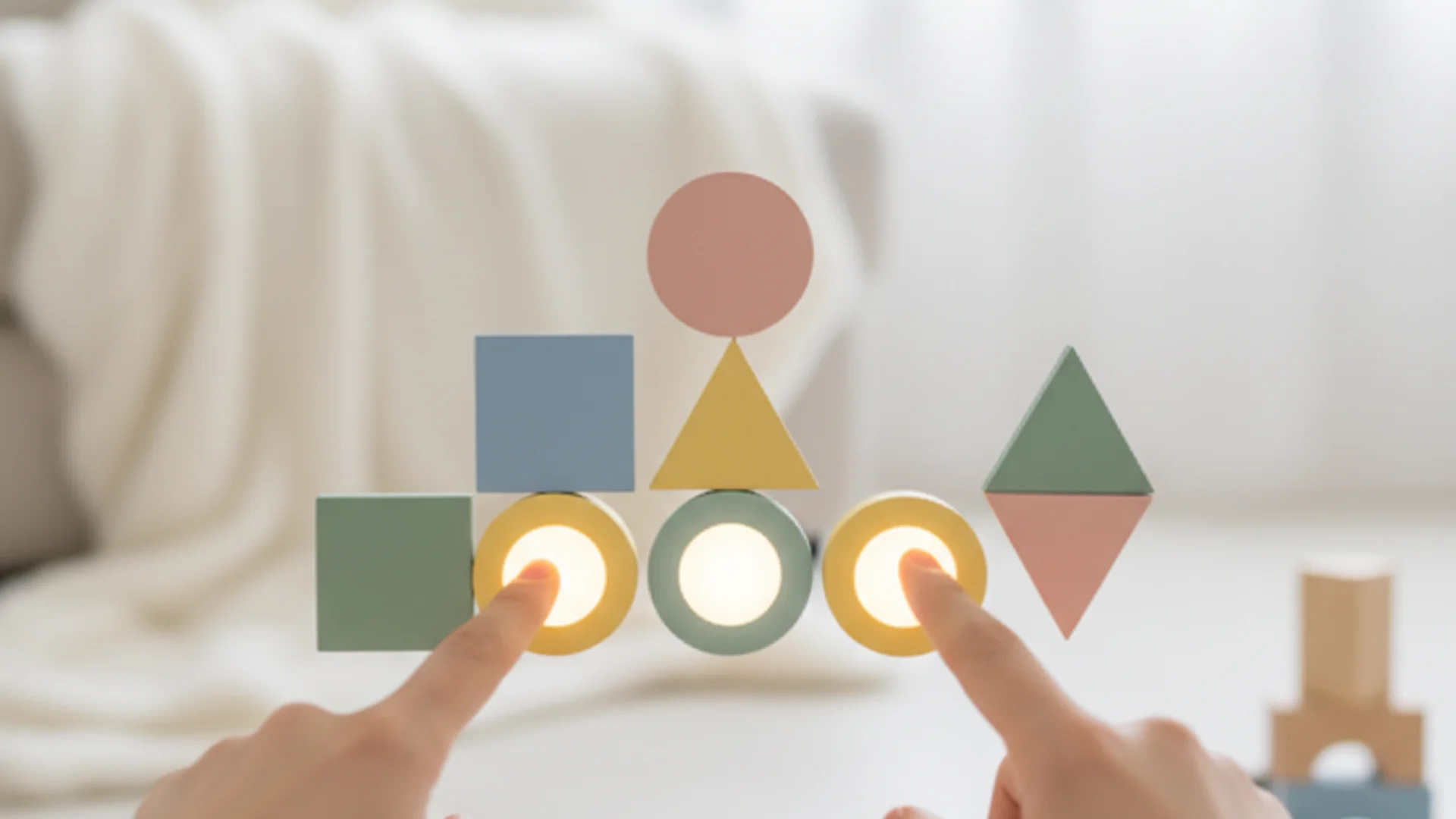
Most of us remember "Simon Says" as a simple playground pastime used to keep kids occupied during recess. However, in the world of high-level cognitive training and competitive gaming, it is far more than child's play. From the flashing lights of the iconic 1978 Ralph Baer handheld to the high-stakes digital arenas of Roblox and Fortnite in 2025, mastering simon says techniques has become a pursuit for those looking to sharpen their focus and expand their working memory.
Whether you are trying to beat the legendary high score of 84 sequences or looking to dominate a "Fashion Show" map in Fortnite, the secret doesn't lie in having a "photographic memory." Instead, success is found in specific, learnable simon memory tips that transform how your brain encodes information. Crossword solving is all about finding patterns in language; today, we are going to apply that same analytical lens to the patterns of Simon.
The Surprising History of a Memory Icon
Before we dive into the advanced strategies, it is worth noting that this game is rooted in centuries of tradition. While modern players might associate it with the electronic toy launched at Studio 54, the game likely dates back to the 13th century. Some historians link it to the figure Simon de Montfort, while others trace the mechanics back to ancient Rome and the phrase "Cicero dicit fac hoc" (Cicero says do this).
In 1978, the "Father of Video Games," Ralph Baer, revolutionized the concept by turning a verbal playground game into an electronic sensory experience. This transition moved the challenge from simple impulse control to a complex exercise in sequential memory. Today, the game has evolved again, with AI-driven apps and massive multiplayer online (MMO) versions keeping the tradition alive for a new generation.
Foundational Simon Says Techniques: The Mnemonic Image System
The biggest mistake beginners make is trying to remember the sequence as a list of colors. "Red, Blue, Red, Yellow..." is a recipe for failure because the human brain struggles with rote repetition once a sequence exceeds seven items (often called Miller's Law).
To push past the average score, experts use the Mnemonic Image System. This involves assigning a vivid, tangible image to each color.
- Red: A Rose or a Devil
- Blue: The Ocean or a Blueberry
- Yellow: A Banana or the Sun
- Green: An Alien or Grass
Building the "Memory Story"
Instead of memorizing "Red-Yellow-Blue-Green," you create a micro-movie in your mind.
- Example: A Devil (Red) peels a Banana (Yellow) and throws it into the Ocean (Blue) where an Alien (Green) catches it.
By turning abstract flashes into a narrative, you engage the hippocampus more effectively. It is much easier for your brain to remember a "Banana-eating Alien" than it is to remember a random transition from Yellow to Green.
Advertisement
Advanced Simon Memory Tips: Auditory vs. Visual Focus
Did you know that many competitive Simon players actually close their eyes? It sounds counterintuitive, but the electronic Simon game uses four distinct musical tones for a reason.
Research suggests that the human brain processes rhythmic sound patterns more reliably than rapid light flashes. When you watch the lights, your eyes can be easily "tricked" by the afterimage of a previous flash. However, when you listen to the tones, the sequence becomes a melody.
Developing an "Ear" for the Sequence
- Red: Low G
- Blue: C
- Yellow: E
- Green: High G
When you stop seeing colors and start hearing a song, you are no longer "memorizing"—you are "composing." This shift allows you to store the sequence in your echoic memory (auditory sensory memory), which is particularly adept at holding onto rhythms.
The Power of "Chunking"
If you want to reach a score of 50+, you must master chunking. This is the process of grouping individual pieces of information into larger, familiar units.
Imagine trying to remember these 12 letters: T-H-E-C-A-T-I-S-B-L-U-E. It's difficult. Now, look at them as: THE - CAT - IS - BLUE. Suddenly, it's effortless.
How to Chunk Simon Sequences
Instead of treating each flash as a new event, group them into "beats" of three:
- (Red-Red-Blue) - Pause
- (Yellow-Green-Green) - Pause
- (Blue-Red-Yellow)
By creating these small "stanzas," you only have to remember four "chunks" instead of twelve individual colors. This is a core strategy used in Memory Games for Adults to overcome the natural limits of short-term memory.
Mastering the Playground: The "Physical" Simon Says
In the playground or live-action version of the game, the challenge shifts from memory to impulse control and auditory processing. Competitive Simon Says master Steve Max recommends a technique that most players overlook: Don't watch the leader.
In a live game, the leader’s job is to trick you by doing the wrong movement while saying the right command—or vice versa. Humans are hardwired for "mirroring" behavior. If I say "Simon says touch your nose" but I touch my ear, your brain will instinctively want to follow my hand rather than my voice.
Pro Tactics for Live Play
- The Chest Stare: Instead of looking at the leader's hands or face, stare at their chest or a point just behind them. This muffles the visual "noise" of their trick movements and allows you to focus 100% on the vocal command.
- The One-Second Rule: Never move the instant a command is given. In competitive play, "flinching" is an automatic out. Wait for the full phrase to be completed, confirm the presence of "Simon Says," and then initiate the movement.
- Sequence Commands: If you are the leader and want to challenge adults, use nested commands. Example: "Simon says touch your knees AFTER you clap your hands." This forces the players to use Auditory Memory Games logic to reorder the tasks in their head.
Advertisement
Modern Trends: Simon Says in 2025 and 2026
The game has seen a massive resurgence in digital spaces. In Roblox's "Silly Simon Says," millions of players compete in physics-based mini-games where the speed is punishing.
Roblox and Fortnite Strategies
- Use Win Phrases: In Roblox, certain emotes can actually buy you a split second of recovery time. Keep an eye out for codes like winter2026 to unlock specialized emotes.
- Fashion Show Hosting: In Fortnite, "Simon Says" is used to judge player outfits and emotes. To win here, you need to bind your emotes to easily accessible keys so there is zero "input lag" when the host gives a command.
- AI Trainers: In late 2025, new mobile apps have emerged that use AI to analyze your reaction time. They adjust the "bpm" (beats per minute) of the Simon sequence to keep you in a "flow state"—the sweet spot between bored and overwhelmed.
| Platform | Best For | Top Strategy |
|---|---|---|
| Handheld Device | Raw Memory | Auditory/Tone focus |
| Roblox | Reaction Time | Emote keybinding |
| Playground | Impulse Control | Visual detachment |
| Fortnite | Social Play | Anticipating the host |
Common Mistakes to Avoid
Even with the best simon says techniques, certain "brain traps" can end your run early.
- Relying on "The Loop": Repeating the colors in your head (Red, Blue, Red, Blue...) works for about 5-7 items. After that, the "loop" becomes too long, and you'll forget the beginning of the sequence while trying to add the new end. Use the Image Story method instead.
- Flinching: In physical games, moving even an inch before "Simon says" is disqualifying. Practice "active stillness."
- Watching the Lights Only: As mentioned, the lights are distracting. The sounds are your best friend.
- Overthinking the Mid-Game: Many players fail around sequence 15 because they realize they are doing well and start thinking about their score. This breaks the "flow state." Focus only on the next chunk.
Frequently Asked Questions
Is there a way to beat the electronic game?
While you can't "break" the game, you can use chunking and auditory focus to reach the highest programmed scores. Most electronic versions "max out" or celebrate a win at a certain number (like 31 or 84), but the technique remains the same: treat the sequence as a song, not a list.
Can playing Simon Says actually improve my memory?
Yes, specifically your working memory. While it won't necessarily help you remember where you put your keys, it improves your "executive function"—the ability to hold and manipulate information in your mind. This is why Memory Games for Preschoolers are so highly recommended by educators for building focus.
How can I make the game harder for adults?
To challenge adults, introduce "Opposite Day" rules (e.g., if Simon says "Touch your head," you must touch your toes) or "Speed Rounds" where the time between commands is less than half a second. You can also try Memory Games for Teenagers which incorporate complex logic.
Why do I keep "flinching" in the playground version?
Flinching is a result of your "pre-motor cortex" prepping a movement before your "prefrontal cortex" (the logical part of the brain) has finished processing the words. To stop flinching, implement the "one-second rule"—consciously pause until the leader has finished their entire sentence.
What is the best age to start playing memory games?
The cognitive benefits of Simon Says begin as early as age 3. Playing Memory Games for Kids helps develop the part of the brain responsible for self-regulation and auditory processing, which are critical for early literacy and math.
Conclusion
Mastering simon says techniques is a journey from simple reaction to sophisticated mental organization. By moving away from rote memorization and embracing chunking, mnemonic imagery, and auditory patterns, you can unlock levels of recall you never thought possible. Whether you're a competitive gamer on Roblox, a parent looking for Memory Games for Elementary students, or an adult looking to keep your mind sharp, these strategies offer a proven path to success.
The next time you hear "Simon Says," don't just react—encode, chunk, and conquer.
Want to Test Your Skills?
Try our interactive memory tools and see how your sequence score compares.
Put it into practice
Keep reading
Memory Games
Play Free Simon Says Online: Master the Classic Pattern Memory Game
Discover the ultimate guide to playing free Simon Says online. Learn expert memory strategies, explore 2025 gaming trends, and improve your cognitive health today.
Apr 24, 2026 9 min

Memory Games
N-Back Training Guide: The Science-Backed Memory Game for Fluid Intelligence
Unlock your cognitive potential with our comprehensive guide to n-back training. Learn the science, the strategies, and the 2025 trends for boosting working memory.
Jan 22, 2026 10 min
Memory Games
The Ultimate Guide to Free Memory Games Online (2025–2026)
Discover the best free memory games online for 2025. Boost cognitive health with expert-reviewed sites, AI trends, and senior-friendly brain training tools.
Oct 6, 2026 12 min
Advertisement