10 Powerful Memory Games for Elementary Students: Boosting IQ and Focus
Discover how memory games for elementary students improve IQ, math skills, and focus. Explore 2025-2026 trends, age-appropriate games, and expert cognitive tips.
By Free To Play Puzzles Editorial Team 12 min read
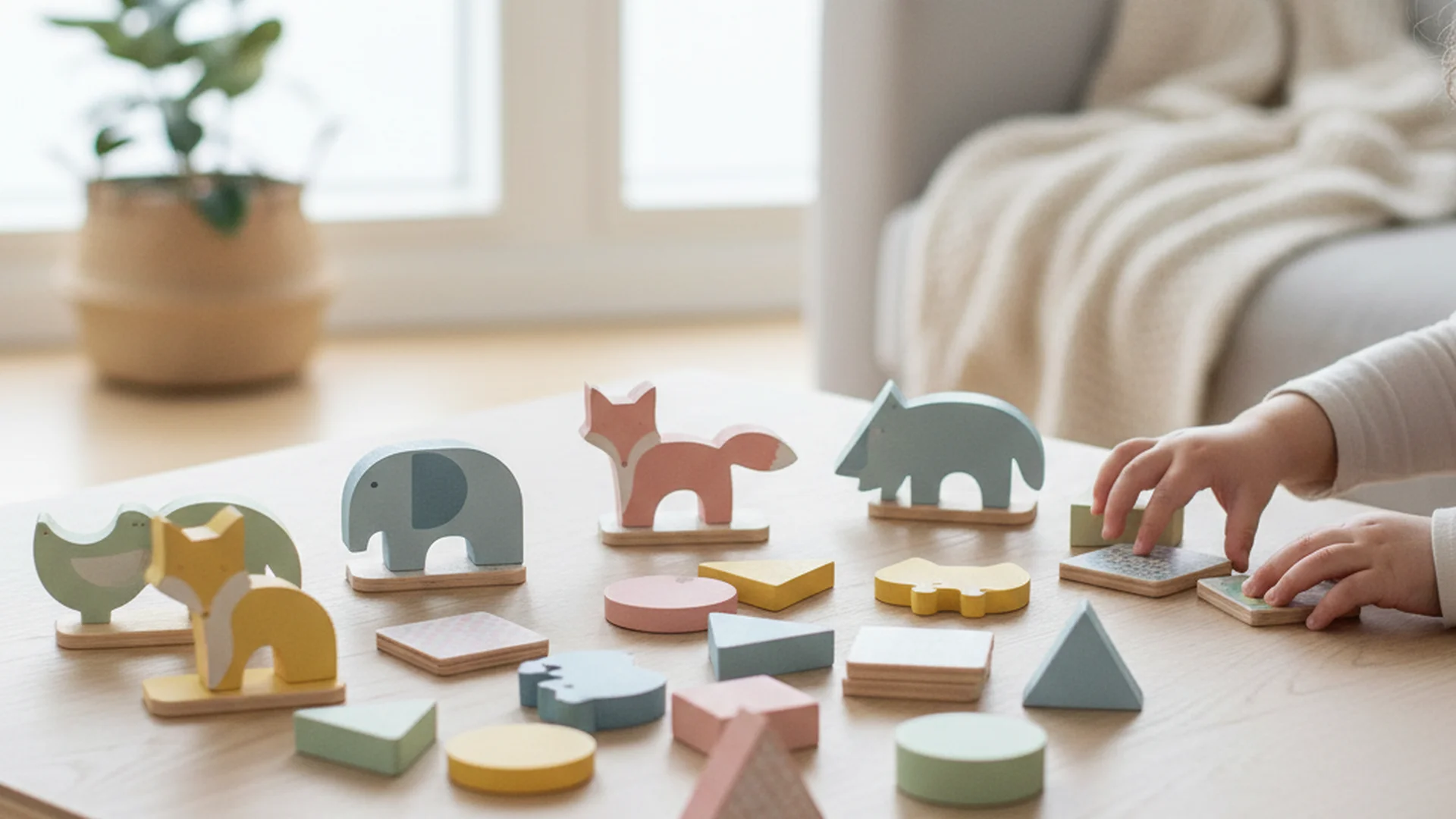
In the bustling environment of a modern classroom, memory is often described as the "Engine of Learning." For young learners, the ability to retain, process, and recall information is not a static trait they are born with, but a skill that can be sharpened through deliberate practice. Engaging in memory games for elementary students is one of the most effective ways to build this cognitive foundation. Whether it is a simple card-matching session or a high-tech AI-driven puzzle, these activities do more than just entertain; they rewire the brain for success.
As a mathematical logic instructor, I have seen firsthand how a student's "working memory"—the brain’s temporary scratchpad—directly impacts their ability to solve complex equations or comprehend intricate narratives. By integrating school age memory games into daily routines, we can unlock a child's potential, improving everything from their focus to their social-emotional resilience.
The Science of the "Brain Workout"
The benefits of memory training are backed by rigorous academic research. A landmark study from the University of Michigan suggests that children who engage in structured puzzles or memory-based games for just 25 minutes a day can see their IQ increase by an average of 4 points. This isn't just about "getting smarter" in a general sense; it’s about the "indirect transfer" of skills. When a child plays Memory Games: Train Your Brain, they are strengthening the neural pathways used for logic and problem-solving.
Furthermore, a 2024-2025 study on "Cognitive Priming" found that doing a quick 5-minute brain-training game immediately before a math or reading lesson significantly increased student performance. This acts as a mental warm-up, ensuring the brain is in an active state of retrieval before the "heavy lifting" of academic content begins.
Top Memory Games for Every Grade Level
To get the most out of these activities, it is essential to match the game to the child's developmental stage. What works for a kindergartner may not challenge a fifth-grader.
Early Elementary (K-2nd Grade: Ages 5-7)
At this age, the focus is on building basic recall and visuospatial awareness.
- The "What’s Missing?" Tray: Place 6-10 common objects (an eraser, a toy car, a spoon) on a tray. Let the student study them for 30 seconds. Cover the tray, remove one item, and ask them to identify what is gone.
- Simon Says (The Movement Edition): This classic game is excellent for "Inhibitory Control." For a memory boost, give multi-step directions: "Simon says touch your nose, hop once, and then pat your head."
- Classic Card Matching: Using a physical deck or a digital version like Memory Match, start with a small number of pairs (e.g., 6 pairs) and increase the count as the child succeeds.
Upper Elementary (3rd-5th Grade: Ages 8-11)
As children move into higher grades, their memory games should incorporate more strategy and long-term planning.
- Strategic Board Games: Games like Chess, Scrabble, or even Sudoku require students to keep multiple variables in their head at once.
- The Shopping List Chain: A group game where the first person says, "I went to the store and bought an apple." The second person adds an item: "I bought an apple and a bicycle." This continues until the chain is broken, forcing kids to use mnemonic devices to remember the sequence.
- Kinesthetic Storytelling: Have students act out a 5-step story with specific gestures. Later, ask them to retell the story using only the gestures. This creates stronger neural pathways by involving physical movement.
| Grade Level | Focus Area | Recommended Game |
|---|---|---|
| K-1 | Visuospatial | Memory Match |
| 2-3 | Sequential | Simon Says |
| 4-5 | Strategic | Sudoku/Chess |
Advertisement
The Tech Revolution: Memory Training in 2025 and 2026
The landscape of educational gaming is shifting rapidly. By 2025, the educational gaming market is projected to reach $15 billion, with a major emphasis on AI-driven personalization. We are moving away from simple points and badges toward "Agentic AI"—AI mentors that adjust game difficulty in real-time based on a child’s heart rate or response speed.
AI Personalization and Spatial Computing
In the coming year, we will see memory games move into "Spatial Computing" (XR/VR). Imagine a student walking through a virtual ancient civilization in a history lesson. Later, the game asks them to recall the location of specific artifacts they passed. This immersive experience makes the information "stick" because the brain treats the virtual experience as a lived memory.
Micro-Learning "Tokens"
Another trend for 2026 is the rise of nano-learning bursts. Schools are beginning to integrate 2–3 minute memory challenges during transition periods, such as the time between lunch and math class. These "tokens" of learning keep the brain primed without causing screen fatigue.
Inclusive Play: Adapting Games for Neurodiversity
It is vital that Best Memory Games for Kids are accessible to everyone, including those with ADHD, Autism, or Dyslexia.
For students with ADHD, focus on games that reward "Inhibitory Control." Games like Freeze Dance or Simon Says are better than speed-based games because they reward patience and listening over quick guessing.
For neurodivergent learners, look for "Neuro-Inclusive Design" features:
- Cognitive Ease Layouts: Simple visuals with minimal background noise to prevent sensory overload.
- Iterative Failure Rewards: Giving "Experience Points" (XP) for the effort of trying again rather than just a "Win/Loss" binary. This reduces the anxiety often associated with memory tasks.
Common Mistakes to Avoid
Even with the best intentions, parents and educators often fall into traps that hinder memory development.
1. The "Brain Muscle" Myth
Playing a fruit-matching game makes a child very good at matching fruit, but it doesn't automatically make them better at history. To see academic results, the games must eventually be tied to content. For example, use memory cards to match a math problem (2+2) to its solution (4).
2. Rushing for Speed
In memory training, deliberate observation is more valuable than quick guessing. Many children try to flip cards as fast as possible, which bypasses the working memory phase and relies purely on luck. Encourage the child to "take a mental snapshot" before they move.
3. The Internet Crutch
There is a growing misconception that "we don't need to memorize facts because we have Google." However, to think critically, students need a "mental library" of facts. You cannot connect two ideas if you don't have the first idea stored in your long-term memory. Brain Training ensures that the library is well-stocked and organized.
Advertisement
Frequently Asked Questions
Do memory games actually improve a child's grades?
Yes, but typically through "indirect transfer." They improve working memory—the brain's "scratchpad"—which is essential for following multi-step directions in math and retaining reading comprehension details.
Are digital memory games better than physical ones?
Both have merits. Digital games offer adaptive difficulty and AI-driven personalization, while physical games (like card-matching) provide tactile feedback and help develop social-emotional skills like patience and turn-taking.
How can I help my child with ADHD using memory games?
Focus on "Inhibitory Control" games like Simon Says or Freeze Dance. These games reward patience and listening over speed, which helps manage impulsivity and improves the child's ability to focus on classroom instructions.
At what age should children start playing these games?
Simple "What’s Missing?" games can start as early as age 3. Strategic games like Chess or Sudoku are ideal for upper elementary students (ages 8-11) as they require more advanced logic and long-term planning.
Conclusion
The goal of utilizing memory games for elementary students is not to create a child who can memorize a deck of cards in sixty seconds. Rather, it is to foster a mind that is curious, focused, and capable of holding onto the building blocks of knowledge. By moving beyond rote memorization and embracing the "Flow Zone"—the sweet spot between boredom and anxiety—we can make learning a joyful, lifelong habit.
Whether through a quick round of Memory Match or a 2026-style VR field trip, the key is consistency. Just 15 minutes a day can transform the way a child interacts with the world.
Ready to Start?
Boost your child's cognitive skills with our interactive tools.
Put it into practice
Keep reading

Memory Games
Location Memory Games: The Science of Spatial Memory Training
Explore how location memory games and spatial memory training can boost math skills, increase hippocampal volume, and improve cognitive health across all ages.
Jul 23, 2026 12 min
Memory Games
The Ultimate Guide to Free Memory Games Online (2025–2026)
Discover the best free memory games online for 2025. Boost cognitive health with expert-reviewed sites, AI trends, and senior-friendly brain training tools.
Oct 6, 2026 12 min
Memory Games
Memory Games: Train Your Brain - The Ultimate Cognitive Exercises Guide
Discover the ultimate memory games guide to boost cognitive health. Learn how brain training memory exercises can make your brain feel 10 years younger.
Jun 20, 2026 22 min
Advertisement