The Ultimate Guide to Free Memory Games Online (2025–2026)
Discover the best free memory games online for 2025. Boost cognitive health with expert-reviewed sites, AI trends, and senior-friendly brain training tools.
By Free To Play Puzzles Editorial Team 12 min read
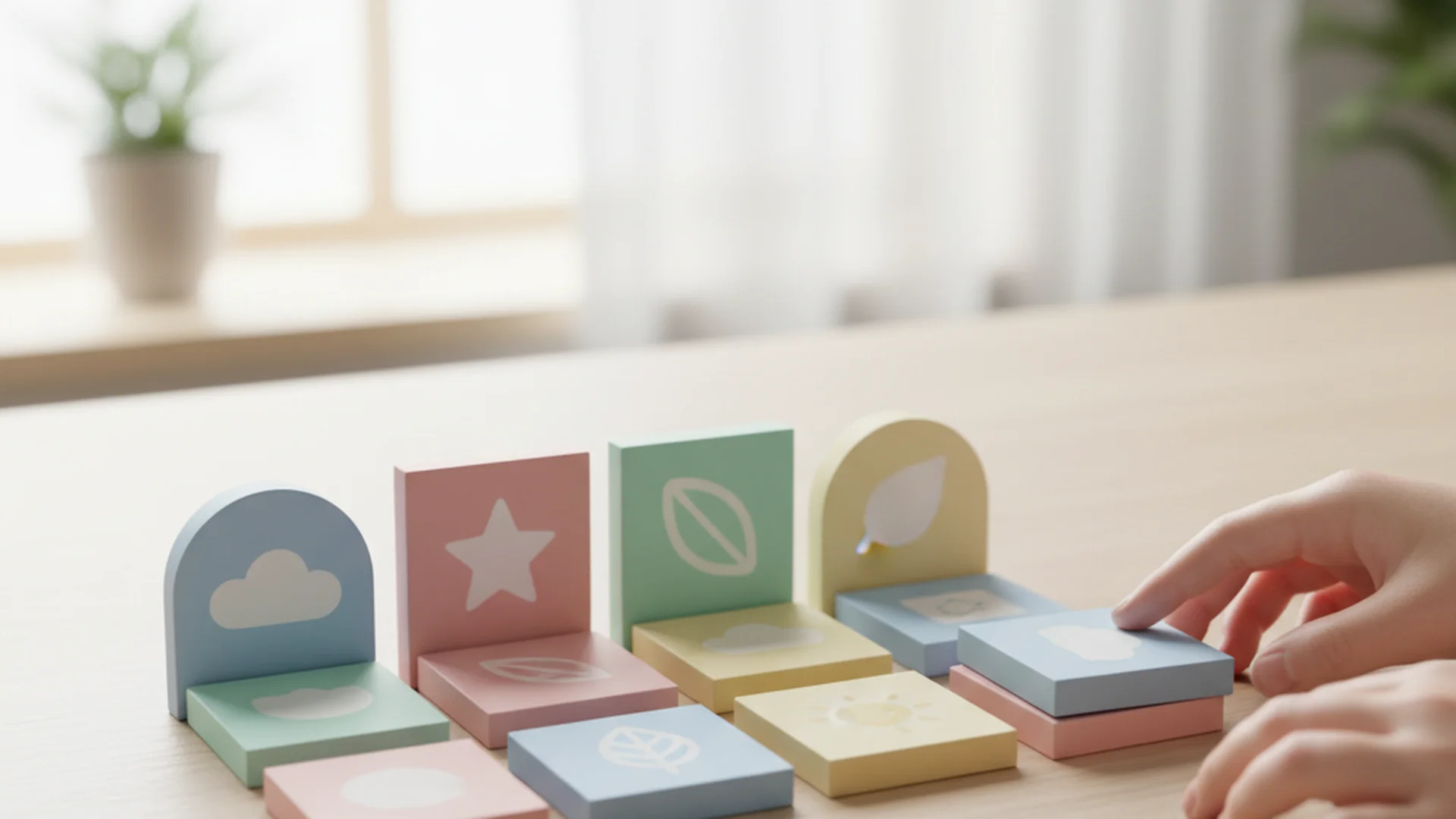
In the rapidly evolving digital landscape of 2025, finding quality free memory games online has become more than just a search for a quick distraction. As a retro gaming historian and strategic analyst, I have watched the transition from simple cardboard tiles to sophisticated, AI-driven cognitive platforms. Today, these tools are at the forefront of what scientists call the "Cognitive Renaissance." Whether you are looking to sharpen your focus for professional reasons or seeking to maintain mental agility in your senior years, the modern variety of memory game sites offers something for every demographic.
The sheer volume of options can be overwhelming, but the distinction between a "time-waster" and a "brain-builder" lies in the mechanics of the game. In this guide, we will explore the scientifically backed benefits of digital play, the top-rated platforms for the 2025-2026 season, and the strategic ways you can use these games to foster genuine neuroplasticity.
The Science of Digital Memory Training in 2025
The conversation around brain training has shifted from skepticism to data-driven validation. In 2023, the global brain game market was valued at a staggering $2.8 billion, and it is on a trajectory to hit $5.6 billion by 2032. This growth isn't just driven by marketing; it’s fueled by breakthroughs in neuroscience.
A landmark 2025 study, the INHANCE trial led by McGill University, provided some of the most compelling evidence to date. Researchers found that seniors who engaged in targeted brain exercises for just 10 weeks displayed cholinergic health levels—the brain chemistry essential for attention and memory—comparable to individuals 10 years younger. This suggests that the right free memory games online act as a form of "digital medicine" for the aging mind.
Understanding Near Transfer vs. Far Transfer
When you visit various memory game sites, it is important to understand what you are actually training.
- Near Transfer: This is your ability to get better at the specific game you are playing. If you play Memory Match every day, you will eventually become a master at finding matching tiles.
- Far Transfer: This is the "holy grail" of brain training. It is the ability for those in-game skills to translate into real-world benefits, like remembering where you put your keys or recalling a new neighbor's name.
According to research from the University of Alberta, achieving "Far Transfer" requires high engagement and adaptive difficulty. The game must constantly push your boundaries to trigger the structural changes in the brain known as neuroplasticity.
Best Websites for Free Memory Games Online
Not all platforms are created equal. In 2025, the best sites prioritize user privacy, adaptive challenges, and clean, ad-light interfaces. Here are the top contenders for the best memory game sites available today.
1. MemoryMatching.com: The Purest Experience
For those who want to jump straight into gameplay without the friction of account creation, MemoryMatching.com remains a top-tier choice. It specializes in themed matching—ranging from flags and landmarks to complex abstract patterns.
- Best For: Quick sessions and visual memory.
- 2025 Standout Feature: No sign-up required and 30+ levels of progressive difficulty.
2. Memozor: The Logic Powerhouse
Memozor has carved out a niche by offering unique variants of classics. Their "Simon" style games (pattern repetition) are particularly well-regarded for their use of auditory and visual cues.
- Best For: Kids and fans of classic pattern-matching.
- 2025 Standout Feature: Unique "Xylophone" and "Emoji" variants that challenge different parts of the brain.
3. AARP Games: The Senior Gold Standard
AARP has invested heavily in its gaming suite, recognizing that 44% of older Americans play video games at least once a month. Their platform is specifically designed to be accessible while remaining challenging.
- Best For: Seniors and those looking for a community feel.
- 2025 Standout Feature: A rewards system where points earned from games like Mahjong and Sudoku can be redeemed for real-world prizes.
4. ImproveMemory.org: Spatial Awareness
If your goal is to improve spatial and visual memory—the kind of memory used for navigation and organization—this site is the leader. Their "Balls and Boxes" game is a classic exercise in tracking moving objects.
- Best For: High-intensity visual-spatial training.
| Site/App | Best For | Standout Feature (2025) |
|---|---|---|
| Lumosity | All-rounder | Family plans & performance tracking |
| Memozor | Kids & Classics | Unique Simon-style variants |
| AARP Games | Seniors | Rewards points redeemable for prizes |
| MemoryMatching.com | Quick Play | 30+ levels of difficulty; no sign-up |
| NeuroTracker | Athletes | 3D cognitive tracking exercises |
Advertisement
Trends and Innovations (2025–2026)
The world of free memory games online is undergoing a massive transformation thanks to AI and hardware integration. We are moving away from static grids and toward immersive experiences.
AI Personalization and "Coaching"
New for 2025, several leading platforms have introduced AI "Coach" modes. These algorithms analyze your reaction times and error patterns in real-time. If the AI detects that you are struggling with spatial patterns but excelling at auditory ones, it will automatically adjust your daily "workout" to strengthen your weaknesses.
VR and AR Integration
The most exciting trend for 2026 is the rise of Augmented Reality (AR). Players can now use their mobile devices to turn their actual living rooms into "Memory Palaces." You might be tasked with "placing" virtual objects around your kitchen and then recalling their exact locations an hour later. This merges digital play with physical space, significantly increasing the potential for "Far Transfer" benefits.
Senior-First Design (UI/UX)
There is a massive industry shift toward high-contrast, large-tile designs. Games like Vita Mahjong have set the standard for 2025, ensuring that those with visual impairments or dexterity challenges can still enjoy high-level brain training. For more on this, see our guide on Memory Games for Seniors.
Best Practices for Maximum Cognitive Gain
To get the most out of your time on memory game sites, you must treat it like a physical workout. Consistency and strategy are more important than the total number of hours spent playing.
The 15-Minute Daily Habit
Experts from Verywell Mind and other leading health outlets emphasize that 15–30 minutes of daily practice is vastly superior to a single two-hour session on the weekend. This consistent "drip" of cognitive stimulation keeps neural pathways active. If you're short on time, even a quick round of Simon Says can provide a mental spark.
Active Recall vs. Passive Recognition
A common mistake is "passive" playing—just clicking tiles until you find a match. To truly grow, you should practice Active Recall. This means forcing your brain to retrieve the information without clicking. Look at the board, close your eyes, and try to "see" where the matching tiles were located before you make your move.
The Holy Trinity of Brain Health
While online games are powerful, they do not exist in a vacuum. To maximize the neuroplastic benefits, experts recommend pairing your gaming with:
- Physical Exercise: Increases blood flow to the brain.
- Social Interaction: Playing games with others (like Connect Four) adds a layer of social cognition.
- Proper Nutrition: The brain is 75% water; even mild dehydration can significantly impair game performance and memory retention.
Common Mistakes to Avoid
Even with the best intentions, many players fall into traps that stall their progress. Here are the most common pitfalls I see as an analyst.
The "Quick Fix" Mentality
Many believe that playing a few memory games will permanently boost their IQ in a week. Brain training is a lifelong maintenance task, much like going to the gym. If you stop, the benefits will eventually fade. You are training for "cognitive reserve"—a buffer against age-related decline.
Over-Reliance on a Single Genre
If you only play Sudoku, you will get very good at Sudoku, but your Auditory Memory Games skills might stagnate. To see holistic improvement, you must rotate through different types of games: visual, auditory, logic, and spatial.
Ignoring the Placebo Effect
A 2024 meta-analysis warned that players often feel smarter after playing, even if their objective scores haven't moved. Always look for games that provide objective metrics—like your speed in milliseconds or your accuracy percentage—to track real growth.
Advertisement
Specialized Training for Different Ages
The way we interact with free memory games online should change as we age. A child's brain needs foundational pattern recognition, while an adult's brain needs high-pressure executive function challenges.
- For Kids: Focus on colorful, engaging games that build focus. Check out our list of Best Memory Games for Kids for specific recommendations.
- For Students: Games that focus on Memory Games for Elementary learners often incorporate math or vocabulary to double the educational value.
- For Adults: High-speed games that require multitasking are best for maintaining professional edge. Memory Games for Adults often involve complex sequences.
Frequently Asked Questions
Do free memory games actually work?
Yes, they are highly effective for "near transfer" (improving at the game itself) and can slow cognitive aging. For real-world "far transfer," you must use games with adaptive difficulty that provide a consistent challenge.
What are the best sites for free memory games?
Currently, MemoryMatching.com (for quick play), Memozor (for classic variants), and AARP Games (for seniors) are the highest-rated platforms for 2025.
How long should I play each day?
The recommended "sweet spot" is 15–30 minutes of consistent daily practice. Long, sporadic sessions are less effective for building long-term neural pathways.
Are these games safe for my data?
Most reputable sites like MemoryMatching.com now prioritize privacy and do not require account registration, which significantly reduces data risks. Always check the privacy policy of any app that asks for a social media login.
Can games replace medical treatment for memory loss?
No. While these games are excellent for maintenance and prevention (building cognitive reserve), they are not a cure for medical conditions like Alzheimer's or dementia. They should be used as a supplement to a healthy lifestyle and professional medical advice.
Conclusion: Start Your Cognitive Journey Today
The availability of free memory games online has never been greater, and the science backing their use has never been stronger. By choosing the right platforms, engaging in a daily 15-minute habit, and constantly challenging yourself with new genres, you can take proactive control of your cognitive health.
Remember that the goal is progress, not perfection. Whether you are chasing a high score in Free Simon Online or mastering a complex 3D grid, you are investing in the most important asset you own: your mind.
Ready to Start?
Boost your brainpower with our curated selection of games.
Put it into practice
Keep reading
Memory Games
Memory Games: Train Your Brain - The Ultimate Cognitive Exercises Guide
Discover the ultimate memory games guide to boost cognitive health. Learn how brain training memory exercises can make your brain feel 10 years younger.
Jun 20, 2026 22 min

Memory Games
22x More Memorable: Why Story Memory Games are the Ultimate Brain Hack for 2026
Unlock the power of narrative memory training. Discover how story memory games use the 22x rule to improve retention, brain health, and cognitive reserve.
Apr 28, 2025 12 min

Memory Games
Location Memory Games: The Science of Spatial Memory Training
Explore how location memory games and spatial memory training can boost math skills, increase hippocampal volume, and improve cognitive health across all ages.
Jul 23, 2026 12 min
Advertisement