Play Free Simon Says Online: Master the Classic Pattern Memory Game
Discover the ultimate guide to playing free Simon Says online. Learn expert memory strategies, explore 2025 gaming trends, and improve your cognitive health today.
By Free To Play Puzzles Editorial Team 9 min read
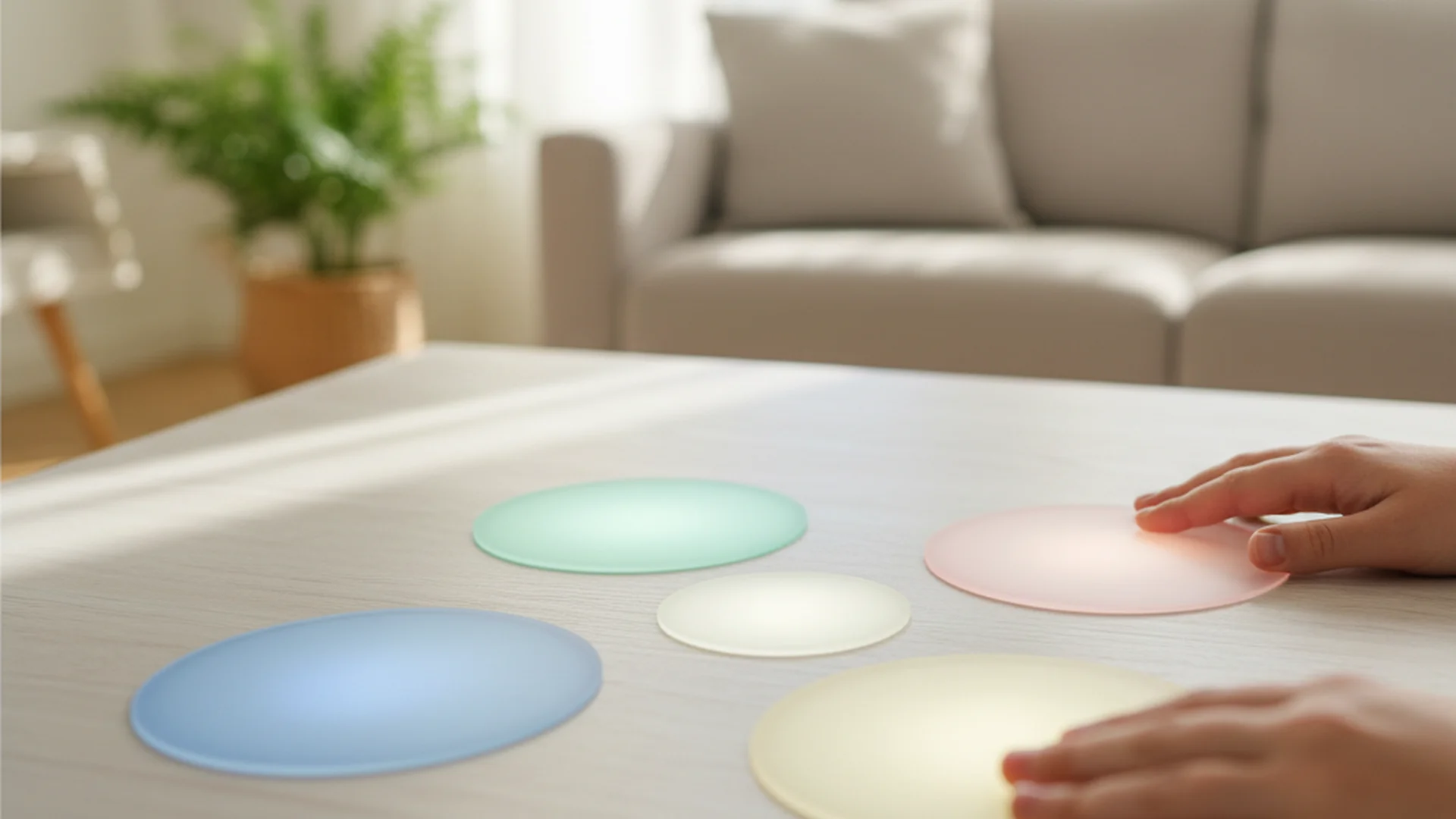
Countless digital tools claim to sharpen the human mind. Yet, few offer the elegant simplicity and profound neurological benefits of a well-timed round of free simon says online. Whether you are looking to kill five minutes during a break or seeking a structured way to maintain neuroplasticity, this classic pattern-matching game has evolved into a powerhouse of digital brain training.
As we move into 2025, the landscape of brain training has shifted. We no longer rely on bulky plastic consoles with four colored buttons. Today, high-fidelity, HTML5-powered versions of Simon allow us to challenge our working memory from any device, anywhere in the world. But how do you go from a casual player to a high-score legend? And what exactly is happening in your brain when you follow that sequence of red, blue, yellow, and green?
The Simon Duality: Electronic vs. Playground
Before you click "start," it is vital to understand that "Simon" online actually refers to two distinct but related experiences. In the digital world, you will encounter both versions, and each targets different cognitive functions.
The Electronic Pattern Game
Popularized by Hasbro in 1978, the electronic version is a solo memory-based game. The computer generates a sequence of lights and sounds (Red, Blue, Yellow, Green), and you must repeat it perfectly. Each round adds one more step to the sequence. This is the version most people search for when they want to play simon online.
The Traditional "Simon Says"
This is the digital evolution of the playground classic. This version focuses on selective obedience and listening skills. A "caller" gives commands (e.g., "Simon says touch your nose"), and the player must only react if the phrase "Simon says" is used. In 2025, online platforms have gamified this using avatars and interactive triggers to test your impulse control.
Why Play Simon Online in 2025?
The global online gaming market is projected to reach $29.48 billion in 2025, but the value of memory games goes beyond currency. For the modern gamer, the shift toward "Cozy Gaming"—a trend emphasizing relaxation and simple loops over high-stress combat—has made Simon a favorite once again.
Cognitive Benefits and Research
Recent research published in Early Childhood Research Quarterly highlights that these games significantly improve self-regulation. By forcing the brain to hold a sequence in "working memory" while simultaneously preparing the motor response, you are effectively strengthening the prefrontal cortex. This is especially beneficial for memory games for preschoolers who are just developing focus.
Seamless Accessibility
Gone are the days of downloading heavy software or dealing with outdated Flash plugins. Modern versions of Simon are built with HTML5 and Canvas. This means you can transition from a desktop Chrome browser to an iPhone Safari browser without losing a single frame of performance.
Advertisement
Expert Strategies for High Scores
Many players hit a "wall" around the 7th or 8th sequence. This isn't a coincidence; it’s a biological limitation of short-term memory, often referred to as Miller's Law. To surpass this, you must use specific cognitive hacks.
The "Chunking" Strategy
Instead of trying to remember "Red, Blue, Blue, Green, Yellow, Yellow," break the sequence into groups of three.
- Group 1: Red-Blue-Blue
- Group 2: Green-Yellow-Yellow
By "chunking" the data, you treat three pieces of information as one single unit, effectively tripling your memory capacity.
Auditory Rhythm Encoding
Don't just watch the colors. Every button in Simon has a specific musical pitch. Successful players often report that they stop "seeing" the sequence and start "hearing" a melody. By involving the auditory cortex, you create a dual-coding effect, making the memory much more resilient to distraction.
Multi-Sensory Integration
If you are playing the playground version of Simon Says online, try "Sensory Says." Experts recommend incorporating physical textures or specific vocal humming to ground your focus. This is particularly effective in memory games for seniors to help maintain cognitive plasticity.
| Strategy | Cognitive Function | Best For |
|---|---|---|
| Chunking | Working Memory | Long Sequences |
| Auditory Encoding | Sensory Integration | High-Speed Rounds |
| Selective Focus | Inhibitory Control | Playground Version |
Real-World Examples of the Simon Revival
1. The Ludwig "Streamer Games" (2025)
In a surprising turn, the "Streamer Games" event hosted by Ludwig showcased professional "Simon Says" led by expert caller Steve Max. This event reached millions of viewers, proving that a 50-year-old game can still captivate a Gen Z audience when presented with high stakes.
2. Senior Cognitive Maintenance
Many modern assisted living facilities have integrated "Free Simon Online" into their daily wellness routines. Using the "Slow" or "Manual" speed settings allows seniors to focus on accuracy, providing a low-stress way to exercise the brain without the frustration of complex controls.
3. AI-Enhanced Customization
2025 saw the rise of Generative AI builders like Microsoft's Muse. Players are now creating "Cyberpunk Simon" or "Nature Simon," where the colors and sounds are replaced by thematic elements, keeping the core mechanic fresh for a new generation.
Common Mistakes to Avoid
Even the best players fall into these psychological traps. Recognizing them is the first step toward the 2,000-move Guinness World Record (or at least beating your personal best).
- The Visual Trap: Relying 100% on sight. As the game speeds up, your eyes will struggle to keep pace. You must integrate the sound and the spatial position of the buttons.
- Anticipatory Movement: In the playground version, players often move before the command is finished. They "guess" what Simon will say, which leads to an immediate loss.
- Ignoring the Trigger: Focusing on the action (e.g., "Touch your head") instead of listening for the "Simon says" prefix.
- Over-Focusing on Early Rounds: Many players lose concentration during the first five moves because they seem "too easy," leading to silly mistakes that end a high-score run prematurely.
Advertisement
Frequently Asked Questions
Is it safe for kids to play Simon online?
Yes, most major platforms are COPPA compliant and do not require an account to play. This protects child privacy while allowing them to enjoy the educational benefits of the game. For more tailored options, check out memory games for elementary students.
Can I play with friends in a multiplayer mode?
While the classic electronic version is usually solo, 2025 has seen the rise of platforms like COKOGAMES that offer multiplayer modes. Up to five players can compete to see who can maintain the longest sequence-matching streak.
Is there a "Training Mode" for beginners?
Many modern online versions now include "Endless" or "Practice" modes. In these versions, a mistake doesn't end the game immediately; instead, it provides a hint or allows you to retry the sequence, which is excellent for building confidence.
Does it work on all mobile devices?
Absolutely. Because most "Free Simon" games are built with HTML5, they work seamlessly on Chrome, Safari, iOS, and Android without the need for additional apps or plugins.
Conclusion
Whether you call it a "digital fidget toy" or a rigorous cognitive benefit tool, Simon remains one of the most effective ways to challenge your brain. By utilizing chunking strategies and avoiding the "visual trap," you can significantly improve your performance and your mental agility.
The 2025 "Cozy Gaming" movement has reminded us that games don't need to be complex to be rewarding. Sometimes, four colors and a simple rhythm are all you need to keep your mind sharp.
Ready to Test Your Memory?
Challenge yourself with the classic pattern game today.
Put it into practice


Keep reading

Memory Games
Location Memory Games: The Science of Spatial Memory Training
Explore how location memory games and spatial memory training can boost math skills, increase hippocampal volume, and improve cognitive health across all ages.
Jul 23, 2026 12 min
Memory Games
The Ultimate Guide to Free Memory Games Online (2025–2026)
Discover the best free memory games online for 2025. Boost cognitive health with expert-reviewed sites, AI trends, and senior-friendly brain training tools.
Oct 6, 2026 12 min

Word Games
Free Word Scramble Online: The Ultimate 2025 Guide to Master the Jumble
Discover the best sites for free word scramble online. Explore 2025 trends, expert solving strategies, and the cognitive benefits of daily word puzzles.
Jan 23, 2026 12 min
Advertisement