The Bridge Across Generations: Why Intergenerational Puzzles are the Ultimate Bonding Tool
Discover the cognitive and emotional benefits of intergenerational puzzles. Learn how grandparents and grandchildren can bond through shared play and modern 2026 trends.
By Free To Play Puzzles Editorial Team 12 min read
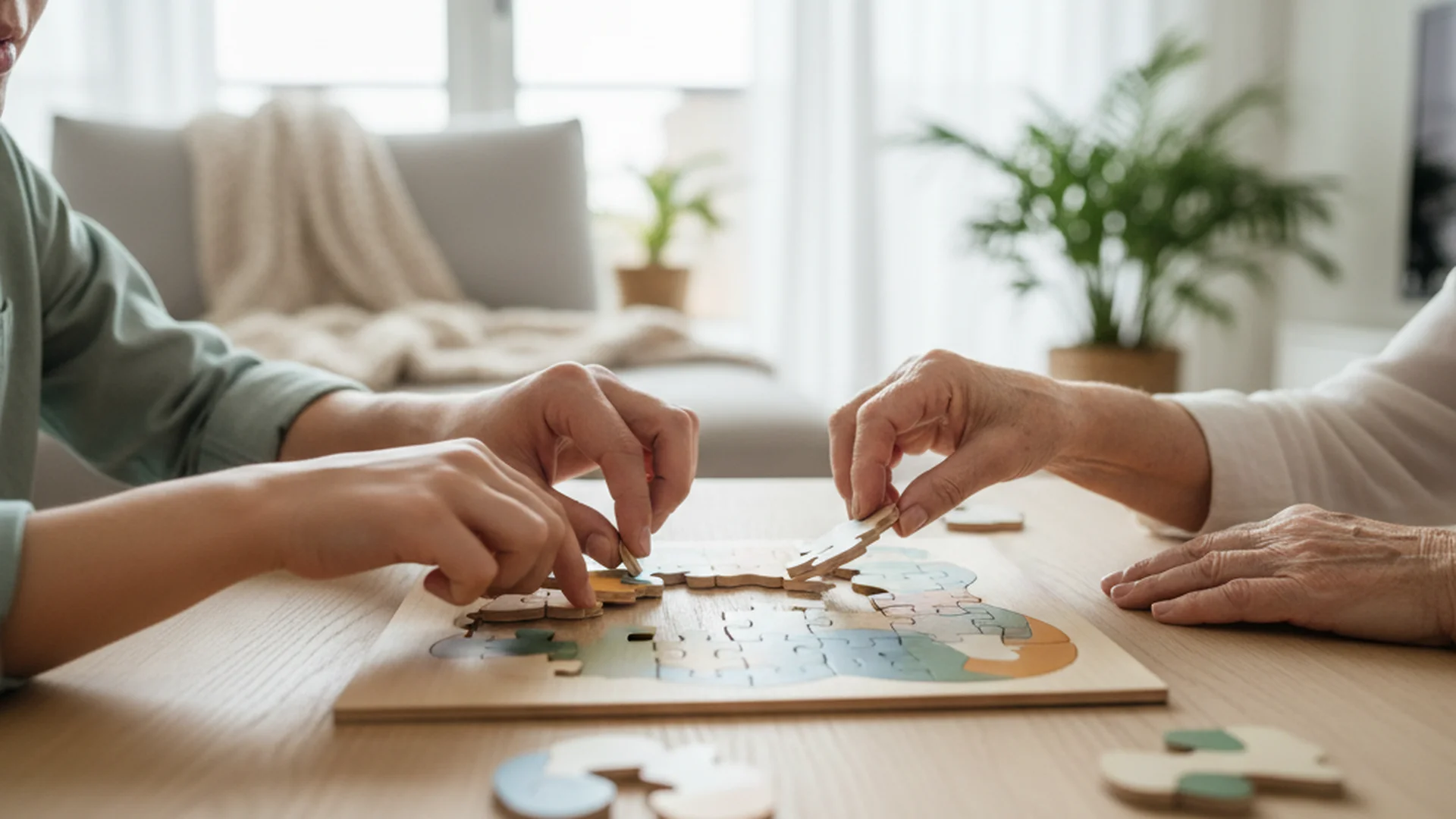
In a world increasingly dominated by individual screens, finding a shared language between a seven-year-old and a seventy-year-old can feel like solving a complex riddle. However, the simple act of "solving" together can bridge the widest age gaps. Intergenerational puzzles offer more than just a way to pass a rainy Sunday; they are a scientifically backed tool for cognitive preservation and emotional connection. Whether it is a 500-piece jigsaw or a collaborative Sudoku session, these activities create a unique space where the wisdom of experience meets the spark of youthful curiosity.
The Science of Shared Play: Why Puzzles Matter in 2025
The benefits of engaging in puzzle benefits are well-documented, but the impact of doing them together is particularly profound. Recent research highlights that the synergy between a grandparent and a grandchild creates a "bi-directional" learning environment. The child learns patience and strategy, while the senior benefits from the "cognitive reserve" built through mental stimulation.
Cognitive Reserve and Dementia Prevention
According to 2024 data from Progress Lifeline, engaging in mentally stimulating activities can delay the onset of dementia symptoms by an average of 2.5 years. For the senior, this isn't just about "keeping busy." It’s about building a brain that is more resilient to age-related changes. When a grandchild is involved, the emotional reward of the interaction releases dopamine, which further aids in memory retention and cognitive focus.
The Mental Health Connection
A 2025 systematic review found that 77% of intergenerational programs resulted in improved mental health outcomes for both parties. For seniors, regular interaction with grandchildren—specifically through structured activities—reduces the likelihood of reporting poor mental health from 13% down to just 4%.
Choosing the Right Puzzle for a Mixed-Age Duo
One of the most common questions families ask is: "How do we find a puzzle that isn't too hard for the kid, but isn't boring for the adult?" The key lies in the "Family Piece" format.
The "Family Piece" Revolution
Brands like Ravensburger and Cobble Hill have pioneered puzzles that include large, medium, and small pieces all in one box. This allows a toddler to handle the large pieces on one side of the table while the grandparent works on the intricate details with the smaller pieces on the other.
| Age Group | Recommended Piece Count | Best Puzzle Type |
|---|---|---|
| Ages 3–5 | 12–50 Pieces | Large Floor Puzzles |
| Ages 6–10 | 100–300 Pieces | "Family Piece" Mixed Sizes |
| Teens | 500–1,000 Pieces | 3D Mechanical or Fine Art |
| Seniors | 300–500 (Large Format) | High-Contrast Nostalgia Themes |
Selecting Themes that Spark Conversation
Instead of picking a random landscape, choose a theme that doubles as a storytelling prompt. For example:
- Vintage Maps: Allow the grandparent to point out where they grew up.
- Animals: Great for younger children to practice naming and sounds.
- Travel/Americana: Prompts "reminiscence therapy" where seniors can share memories of past road trips.
Advertisement
Modern Trends in Intergenerational Puzzles (2025–2026)
The puzzle world has evolved significantly. We are no longer limited to cardboard squares on a dusty table.
AI-Customized Family Puzzles
In 2026, AI tools have made it possible to turn old, grainy family photos into high-resolution, stylized puzzle art. Imagine the delight of a grandchild assembling a picture of their grandparent as a teenager. This creates a deeply personal reminiscence puzzle experience that transcends the activity itself.
AR-Enhanced and 3D Mechanical Art
Augmented Reality (AR) is the new frontier. Once a puzzle is completed, you can scan it with a smartphone to unlock 3D animations or hidden "ending" videos. For the "Maker" generation, 3D mechanical puzzles—like working wooden clocks or marble runs—are trending. These appeal to teenagers who might otherwise find traditional jigsaws "too babyish."
Eco-Sustainability
The move toward 100% recycled "blue board" and plastic-free packaging is a major trend for 2026. Choosing eco-friendly puzzles is a great way to teach grandchildren about environmental stewardship while enjoying a hobby.
Best Practices for a Successful Puzzle Session
To ensure the activity remains a bonding experience rather than a chore, follow these expert recommendations.
1. Stage the Environment
High-contrast lighting is essential for both young eyes and aging ones. Use a dedicated puzzle board or a tilted table. This reduces neck strain for the senior and keeps the pieces contained if a grandchild gets a bit "enthusiastic" with their movements.
2. Use Conversation Starters
Don't just talk about the pieces. Ask questions like:
- "What does this picture remind you of?"
- "What’s your strategy—do you look for the edges first or the colors?"
- "If we could go inside this picture, what’s the first thing you’d do?"
3. Collaborative Roles
Assigning "jobs" can foster a sense of teamwork.
- The Sorter: Usually a great job for a child (sorting by color).
- The Border Guard: The grandparent can handle the frame.
- The Specialist: Someone focuses exclusively on a specific element, like "the red barn."
Common Mistakes to Avoid
Even with the best intentions, certain pitfalls can ruin the fun of intergenerational puzzles.
- Treating it like a race: The objective is connection. If the puzzle stays on the table for a week, that’s a week of "invitations" to sit down and talk.
- Choosing "babyish" themes for seniors: If a grandparent has cognitive decline, don't give them a puzzle meant for a three-year-old. Instead, use memory care puzzle activities that feature adult-appropriate imagery but larger pieces.
- Over-Instruction: It is tempting to point out exactly where a piece goes. Resist the urge. Let the discovery be theirs.
- Ignoring Physical Comfort: Ensure the seating is supportive. For those with arthritis, piece-handling tools or "easy-grip" puzzles are a must.
Advertisement
Real-World Examples of Intergenerational Success
Example 1: The Remote Connection
The Miller family lives 500 miles apart. Every Sunday, the grandfather and his 10-year-old grandson log onto a digital puzzle app. They use video chat to "collab" on a digital jigsaw. It has become their primary way of staying updated on each other's lives.
Example 2: The Memory Lane Project
A local senior center organized a "Puzzle Swap" where teens brought 3D mechanical puzzles and seniors brought vintage-themed jigsaws. The result? The teens were fascinated by the stories behind the "Americana" puzzles, and the seniors were impressed by the technical skill required for the 3D models.
Example 3: The Slow-Burn Station
Try keeping a "puzzle station" in the living room. It’s not a scheduled activity. Instead, it’s a drop-in zone. A child might put in three pieces while waiting for dinner, and a grandparent might add five over their morning tea. It creates a continuous, low-pressure point of contact.
Frequently Asked Questions
What piece count is best for a mixed-age duo?
For a child aged 8 and an adult, 300 to 500 pieces is the "sweet spot." It offers enough challenge to remain interesting for the adult while staying manageable for the child. For younger children, look for "Family Format" puzzles with varying piece sizes.
How can we puzzle if we live far apart?
Digital platforms like Jigsaw Explorer or AR-enabled apps allow for remote collaboration. You can also buy two identical puzzles and "race" or build together over a video call. For word-based fun, try solving the same crosswords simultaneously.
Are puzzles too "babyish" for my teenager?
Not anymore. The rise of 3D wooden mechanical puzzles and 1,000+ piece "impossible" puzzles has made puzzling a trendy, mindful hobby for Gen Z. Many teens enjoy the "maker" aspect of 3D puzzles that result in a functional object, like a Tangram set or a wooden model.
What if my grandchild loses interest quickly?
That is perfectly fine! Don't force a two-hour session. Use the "puzzle station" approach where they can drop in for 5–10 minutes. The puzzle should be a persistent invitation to interact, not a mandatory task.
How do I choose a puzzle for a grandparent with dementia?
Focus on "dementia-friendly" puzzles. These use adult themes (like gardening, classic cars, or baking) but feature fewer, larger pieces that are easier to handle and visualize. See our guide on puzzles for different dementia stages for more specific advice.
Conclusion
Intergenerational puzzles are more than a pastime; they are a bridge. They provide a rare opportunity for generations to stand on equal footing, solving problems and sharing stories in real-time. By selecting the right format, embracing modern 2026 technology, and focusing on the process rather than the finished product, you can turn a simple box of pieces into a lifetime of memories.
Want more ideas?
Explore our full range of cognitive activities for seniors and families.
Put it into practice
Keep reading
Senior Care
Unlocking the Past: The Ultimate Guide to Reminiscence Puzzles for Seniors
Discover how reminiscence puzzles and memory recall activities improve cognitive health, reduce depression, and strengthen bonds in senior care.
Apr 6, 2026 12 min
Brain Health
Puzzles for Grandparents and Grandchildren: The Ultimate Intergenerational Guide
Discover the cognitive and emotional benefits of puzzles for grandparents and grandchildren. Learn about 2025 trends, brain health stats, and expert bonding tips.
May 2, 2026 12 min
Senior Care
The Power of the Piece: How Puzzles are Revolutionizing Memory Care in 2025
Discover how memory care activities and dementia puzzles reduce risk and delay cognitive decline. Explore 2025 trends like AI games and sensory puzzles.
Apr 4, 2026 12 min
Advertisement