The Ultimate Guide to Camping Puzzles and Outdoor Brain Games
Discover the best camping puzzles and outdoor brain games for your next trip. Learn expert tips for puzzling in nature and reduce stress with analog play.
By Free To Play Puzzles Editorial Team 10 min read
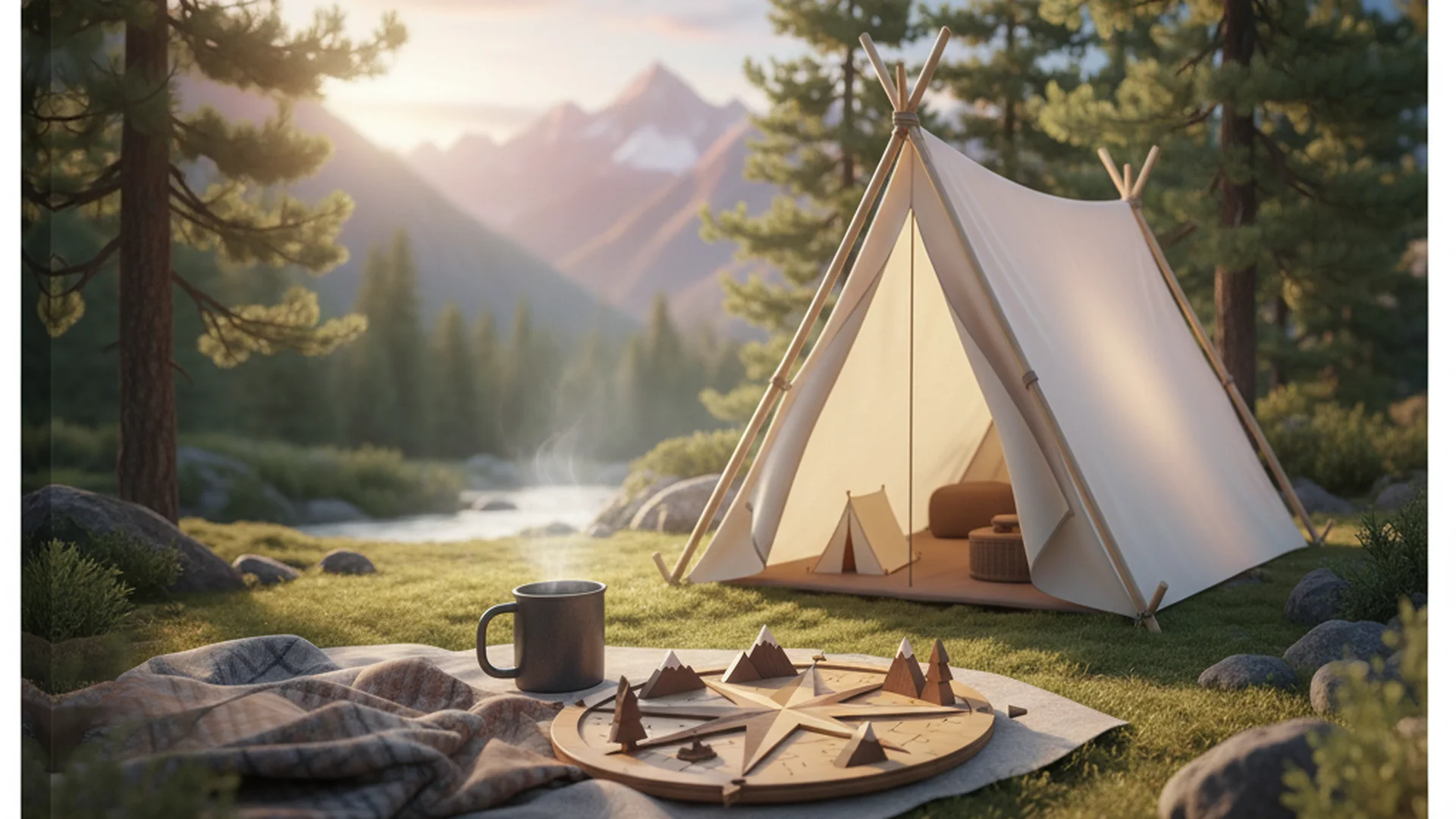
In the modern era of constant digital connectivity, the wilderness has become our ultimate sanctuary. "Unplugging" can have a real effect on the human brain. We are currently witnessing a massive "resurgence of analog play," with the global puzzle market projected to reach $15.83 billion in 2025. For the 92 million American households that identify as campers, camping puzzles and outdoor brain games have emerged as the premier way to facilitate this digital detox.
Whether you are huddled inside a tent during a summer rainstorm or sitting at a sun-drenched picnic table, engaging your mind with a puzzle provides a unique form of "active relaxation." This guide explores how to bring the joy of puzzling to the great outdoors without losing your pieces—or your mind—to the elements.
The Science of Puzzling in Nature
From a neurological perspective, camping and puzzles are a perfect pairing. When we camp, we are already lowering our baseline stress. Research indicates that adding just 20 minutes of puzzling to your routine can significantly reduce cortisol levels and stimulate neuroplasticity.
In the wild, your brain transitions from "top-down" attention (focused on tasks and screens) to "bottom-up" attention (observing the environment). Engaging in logic puzzles or jigsaw sets while surrounded by trees enhances this effect, allowing for a deeper cognitive reset than you would achieve by simply sitting still.
Choosing the Right Camping Puzzles
Not every puzzle is suited for the rugged conditions of a campsite. To avoid frustration, you must consider the environment, the surface area available, and the weather.
The "Sweet Spot" for Size and Scale
One of the most common mistakes campers make is the "1,000-piece ambition." Many travelers bring a massive 1,000-piece set but find they only have an hour or two of downtime. Statistics show that most travelers only solve about 20-30% of a large puzzle on a 3-day trip.
For a standard campsite picnic table, a 300–500 piece puzzle is the "sweet spot." These typically fit within a 15"x21" footprint, leaving plenty of room for your lanterns, snacks, and sudoku books.
Material Matters: Plastic vs. Cardboard
Standard cardboard puzzles can warp in high-humidity or coastal environments. If you are camping near the ocean or in a humid forest, look for specialized brands that produce puzzles made from transparent plastic or PVC. These are entirely waterproof and sand-proof, making them ideal for the trail.
Advertisement
Essential Gear for Outdoor Puzzling
To successfully solve camping puzzles, you need more than just a box of pieces. The elements—wind, uneven surfaces, and poor lighting—are your primary obstacles.
Stability and Surface
Picnic tables are notoriously uneven and often have gaps between the slats.
- The Foam Board Hack: Bring a lightweight piece of foam board. It provides a stable, flat surface on uneven ground and can be easily moved inside a tent if it starts to rain.
- The Yoga Mat Hack: If you don't have a professional puzzle roller, a standard yoga mat works as a DIY alternative to roll up and save a mid-progress puzzle.
Lighting the Way
Most campsites have poor lighting after sunset. To distinguish subtle color shades in your puzzle pieces, I recommend a rechargeable LED headlamp with a high CRI (Color Rendering Index). This ensures the colors look as they should, preventing the eye strain often associated with blue-tinted flashlights.
Equipment-Free Outdoor Brain Games
If you are backpacking or have limited space, physical puzzles might be too bulky. In these cases, outdoor brain games that require zero equipment are your best friend. These are perfect for long hikes or sitting around a campfire.
- Contact: A word-association game requiring at least three players. One person thinks of a word, and others must guess it through a series of overlapping clues. It's a fantastic way to build group cohesion.
- Shoobee-Doobee: A rhyming riddle game designed by thru-hikers. It challenges your lateral thinking and vocabulary as you move down the trail.
- Lateral Thinking Mysteries: One person describes a strange scenario (e.g., "A man walks into a bar and asks for a glass of water, the bartender pulls out a gun, and the man says 'thank you' and leaves"), and the group must solve the mystery using only yes/no questions.
2025–2026 Trends in Camping Games
The world of puzzles is evolving rapidly. As we move into 2026, several new trends are making outdoor play more immersive and sustainable.
- Sensory & Textured Puzzles: A major trend for 2025 is puzzles with textures like moss, bark, or rough stone embedded in the pieces to enhance the "outdoor" feel. Some even feature pine or campfire scents.
- Eco-Friendly "Zero-Trace" Games: There is a massive shift toward puzzles made from 100% recycled ocean plastic or FSC-certified wood, designed to withstand the wear and tear of the wilderness.
- Smart-Integrated Escape Kits: These hybrid games involve physical "lockboxes" or maps used in conjunction with a smartphone (via Bluetooth) to solve location-based riddles around your actual campsite.
- Augmented Reality (AR) Puzzles: Some 2025 releases allow you to scan a completed puzzle of a National Park with your phone to see a 3D animation of the wildlife coming to life.
| Feature | Traditional Puzzles | 2025/26 Camping Puzzles |
|---|---|---|
| Material | Cardboard | Recycled Plastic / Wood |
| Portability | Bulky Box | Ziploc / Roll-up Mats |
| Durability | Low (Warps) | High (Waterproof) |
| Tech Integration | None | AR / Bluetooth Kits |
Advertisement
Common Mistakes to Avoid
- Ignoring the "Critter Factor": Leaving a puzzle out overnight is a recipe for disaster. Squirrels, raccoons, and wind can scatter pieces across the forest floor. Always roll up or cover your work before heading to sleep.
- Ditching the Box Improperly: While you should "ditch the box" to save space (transferring pieces to a Ziploc bag), don't forget to bring a high-resolution photo of the completed image on your phone or a printed reference poster.
- The "Kids Only" Misconception: Many campers assume brain games are only for children. In reality, adult-oriented lateral thinking puzzles are currently the #1 trending campfire activity for groups in 2025.
Frequently Asked Questions
How do I keep puzzle pieces from blowing away?
Use magnetic puzzle boards or weighted "puzzle weights." If you are using a traditional jigsaw, a high-friction felt mat or a baking sheet with a rim is highly recommended to catch stray pieces before they hit the ground.
What is the best puzzle size for a campsite picnic table?
A 300–500 piece puzzle is the ideal size. It typically fits within a 15"x21" footprint, which leaves room for other camping essentials like lanterns and mugs while remaining achievable in a single weekend.
Are there puzzles that don't require a table?
Yes. Handheld 3D logic puzzles (like Perplexus or specialized Rubik’s variants) are excellent for backpacking. Additionally, handheld word search books or digital puzzles on a tablet (if you aren't doing a total digital detox) work well.
Is there such a thing as a waterproof puzzle?
Absolutely. Several brands now produce puzzles made from PVC or clear plastic. These are resistant to water, coffee spills, and morning dew, making them the most durable choice for outdoor use.
Conclusion
Bringing camping puzzles on your next excursion is more than just a way to pass the time; it is a scientifically backed method to lower stress and sharpen your mind while enjoying the beauty of nature. By choosing the right size, preparing for the elements, and perhaps trying a few equipment-free outdoor brain games, you can turn your campsite into a hub of cognitive wellness.
If you enjoyed this guide to puzzling in unique locations, you might also find our guides on puzzles for flights or puzzles for commuting helpful for your next journey.
Ready to Start?
Enhance your next camping trip with the perfect puzzle.
Put it into practice

Keep reading

Technology
Mastering Fire Tablet Puzzles: The Ultimate Guide to Brain Games in 2025
Discover the best fire tablet puzzles and amazon fire brain games. Learn about cognitive benefits, hardware optimization, and the top-rated apps for 2025.
Oct 14, 2026 12 min
Therapy
The Ultimate Guide to Cognitive Rehabilitation Puzzles and Brain Injury Games
Discover how cognitive rehabilitation puzzles and brain injury games use neuroplasticity to accelerate recovery after TBI or stroke. Expert tips for 2025.
Sep 21, 2026 12 min
Situational
The Ultimate Guide to Rainy Day Puzzle Activities for Every Age
Discover why rainy day puzzles are the perfect indoor activity. Learn expert strategies, cognitive benefits, and 2025 trends for ultimate relaxation.
May 14, 2026 12 min
Advertisement