Occupational Therapy Puzzles: The Essential Guide to Rehabilitation Tools for 2026
Explore how occupational therapy puzzles and brain games are revolutionizing rehabilitation in 2025-2026 through neuroplasticity and high-tech interventions.
By Free To Play Puzzles Editorial Team 12 min read
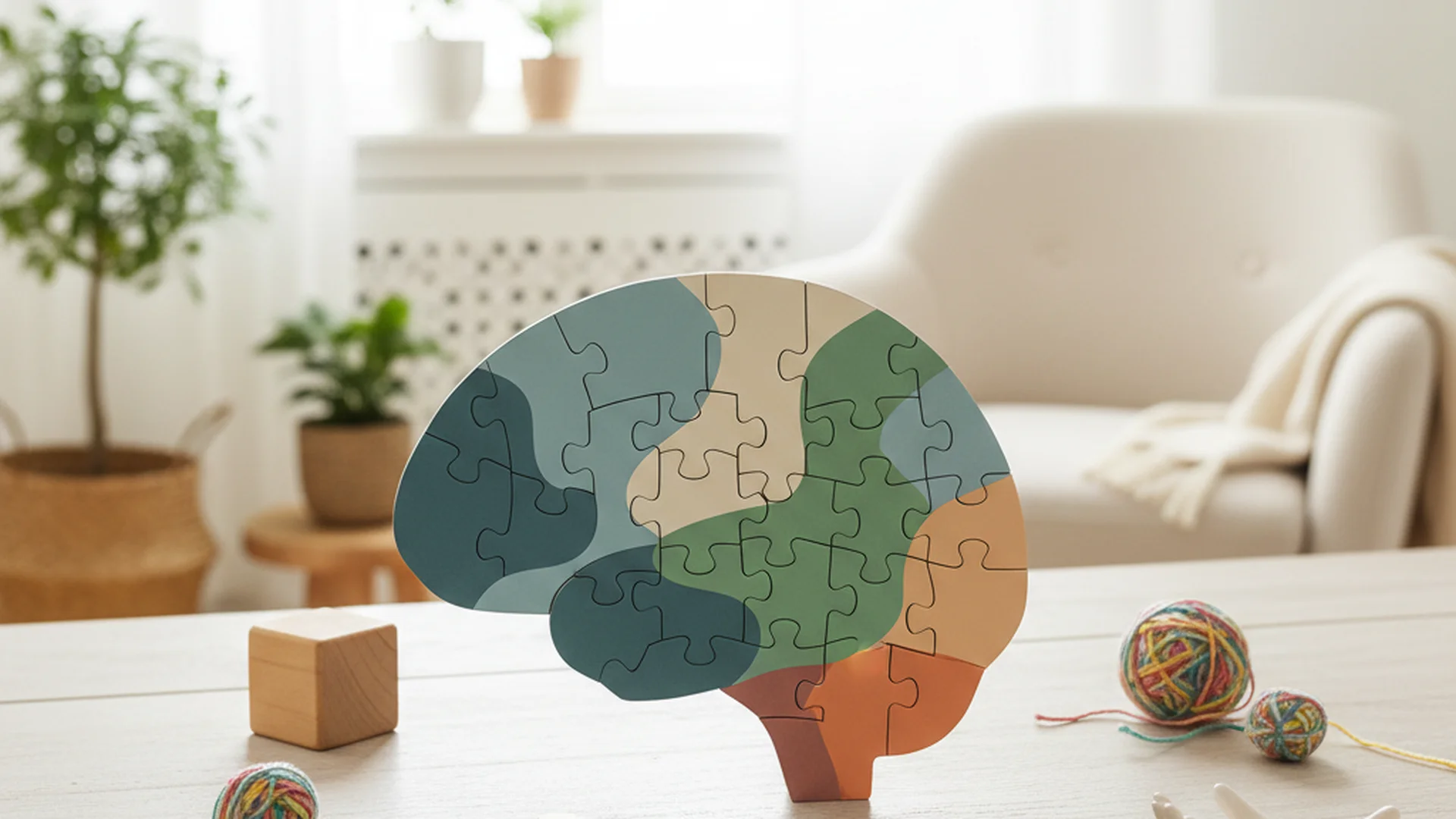
In the world of rehabilitation, the simplest tools are often the most profound. In the clinical setting, occupational therapy puzzles are far more than just a pastime—they are sophisticated instruments of healing. Whether it is a stroke survivor regaining the use of their dominant hand or a child developing the foundational motor skills needed for school, puzzles provide a structured environment where the brain can rewire itself.
By late 2025, the landscape of therapeutic play has shifted. We are seeing a powerful convergence of traditional tactile methods and cutting-edge digital innovations. This guide explores how these tools are being used to drive cognitive preservation, physical recovery, and developmental milestones in the current healthcare climate.
The Science of Neuroplasticity and Puzzle Therapy
The core of modern occupational therapy (OT) lies in neuroplasticity—the brain’s ability to reorganize itself by forming new neural connections. Recent 2025 studies from institutions like Northeastern University indicate that structured video games and OT brain games can activate neuroplasticity in ways that traditional medication cannot. This is particularly vital for patients recovering from strokes or those managing ADHD.
When a patient engages with a puzzle, they aren't just matching shapes. They are performing a complex series of neurological tasks: visual scanning, spatial orientation, and fine motor planning. For those seeking a deeper understanding of these mechanisms, our article on Cognitive Rehabilitation Puzzles provides an in-depth look at how brain injuries are treated through logic.
Cognitive Preservation in an Aging Population
As we head into 2026, the statistics are sobering. An estimated 7.1 million Americans aged 65 and older are living with Alzheimer’s. In this context, puzzles are no longer just "games"; they are critical non-pharmacological interventions. Structured puzzle therapy helps maintain quality of life and reduces the neuropsychiatric symptoms of dementia, such as agitation and depression.
Developmental Milestones: Building the "Hand Machinery"
In pediatric occupational therapy, puzzles are the primary tool for developing the "hand machinery" required for daily life. The act of picking up a small piece requires a pincer grasp (using the thumb and index finger), which is the same motion needed to hold a pencil or button a shirt.
Furthermore, puzzles encourage bilateral coordination. This occurs when a child uses one hand to stabilize the puzzle board while the other hand rotates a piece into place. Without these foundational skills, more complex tasks like cutting with scissors or tying shoelaces become nearly impossible. Many OTs integrate these concepts with specialized Autism and Puzzles protocols to address specific sensory and motor needs.
Real-World Example: The Sensory Bin Search
An OT hides five wooden puzzle pieces in a bin filled with dried rice and beans. The child must reach in and use "tactile discrimination"—finding the piece by feel before they even see it. This exercise strengthens the neural pathways between touch and visual recognition.
Advertisement
The "Just Right" Challenge: Grading in Occupational Therapy
One of the most common questions OTs hear is: "Is puzzle therapy just playing?" The answer is a definitive no. The difference between "play" and "therapy" lies in a process called grading.
Grading involves selecting an activity that provides the "just right challenge." If a puzzle is too easy, the patient becomes bored and the brain doesn't form new connections. If it is too difficult, the patient becomes frustrated and may experience a "frustration plateau," which can stall progress.
Grading for Physical and Cognitive Goals
| Therapy Goal | Modification (Grading Up/Down) |
|---|---|
| Range of Motion | Place pieces at the edge of the patient’s reach or on a vertical board. |
| Midline Crossing | Place all pieces on the opposite side of the patient’s dominant hand. |
| Visual Scanning | Scatter pieces across a large table to force wider eye movement. |
| Cognitive Load | Increase piece count from 12 to 25 once completion time drops by 30%. |
Recent Trends: The High-Tech Shift (2025–2026)
The therapeutic puzzle market is currently seeing a surge in "smart" technology. These innovations are designed to bridge the gap between physical touch and digital feedback.
1. Digital & AR Integration
"Smart Puzzles" now sync with tablets to track progress in real-time. These devices can monitor how long a patient hesitates before placing a piece, providing OTs with data on processing speeds. Upon completion, these puzzles often trigger "celebratory animations," which are essential for patients dealing with depression or low motivation.
2. Virtual Reality (VR) Puzzles
VR has become a powerhouse for motor planning. It allows patients to manipulate 3D objects in a simulated environment. This is especially useful for those with severe tremors or limited strength who might find physical pieces frustrating to drop or lose.
3. AI-Generated Challenges
New applications utilize AI to adjust the difficulty of a game like Sudoku or Crosswords in real-time. If the AI detects a patient is making frequent errors in a specific quadrant of the screen, it will subtly simplify the task to prevent burnout.
Common Mistakes to Avoid
Even with the best intentions, puzzle therapy can be ineffective if certain pitfalls aren't avoided.
- The "Childish" Trap: Perhaps the most significant mistake in geriatric care is using puzzles designed for children. Giving a 70-year-old a "baby" puzzle is demeaning. Instead, use "Senior-Friendly" puzzles which feature large, easy-to-grasp pieces but depict sophisticated, adult imagery.
- Focusing on the "Win": Many caregivers assume the goal is to finish the puzzle. In OT, the process is the therapy. Sorting by color, scanning the table, and grasping the edges are where the healing happens. An unfinished puzzle is still a successful session if the target motor patterns were exercised.
- Assuming All Games are Equal: Simply playing a mobile game at home is not "Occupational Therapy." Professional OT requires a licensed professional to analyze and adapt the activity to a specific clinical goal.
- Ignoring Sustainability: In 2026, there is a major shift toward bamboo and recycled plastic puzzles. These are not only eco-friendly but are often easier to sanitize in a hospital environment.
Advertisement
Advanced Techniques for Motor Recovery
For patients with significant physical limitations, OTs use specific strategies to make puzzles accessible and effective.
Midline Crossing
This is the ability to reach across the middle of the body with the arms or legs. It is vital for tasks like putting on socks. To practice this with puzzles, an OT will place the pieces on the patient's left side but the puzzle board on the right side. This forces the patient to reach across their body for every single piece.
Range of Motion (ROM)
For patients with shoulder injuries, puzzles can be placed on a vertical felt board at or above eye level. This encourages the patient to reach upward, stretching and strengthening the rotator cuff while their mind is distracted by the challenge of the puzzle. This distraction often allows patients to exceed the ROM they achieve during standard, boring stretching exercises.
Frequently Asked Questions
Is puzzle therapy just 'playing'?
No. While it looks like play, OTs use a clinical process called "grading." They select specific puzzles that provide the "just right challenge" to target neurological or motor deficits. Every movement is calculated to support a specific rehabilitation goal.
How many pieces should a puzzle have for someone with dementia?
For early-stage dementia, 16–25 pieces are often ideal. For middle-stage, 9–15 pieces with adult-themed imagery are recommended to maintain dignity while ensuring the patient can experience the satisfaction of completion.
Can OT brain games replace physical puzzles?
They serve different goals. Physical puzzles are superior for fine motor skills and tactile discrimination. Digital "brain games" focus more on processing speed, working memory, and executive function. A balanced therapy plan usually includes both.
How do I know if a puzzle is too hard for a patient?
Look for signs of "frustration plateauing," such as sighing, pushing the board away, or repetitive errors. A puzzle should be slightly below the patient's perceived skill level to build confidence before you "grade up" to something more complex.
Conclusion: The Future of Puzzles in Therapy
As we look toward 2026, the humble puzzle remains a cornerstone of occupational therapy. By blending the tactile feedback of physical pieces with the data-driven insights of AI and VR, therapists are able to offer more personalized, effective care than ever before. Whether the goal is recovery from a brain injury, managing the symptoms of aging, or helping a child reach their full potential, puzzles provide a bridge between where a patient is and where they want to be.
The beauty of puzzle therapy is that it transforms the arduous work of rehabilitation into a meaningful, engaging activity. By focusing on the Puzzle Benefits of both the mind and the body, we can continue to unlock new levels of human resilience.
Ready to Start?
Explore our full range of cognitive and logic-based games to supplement your therapy today.
Put it into practice
Keep reading
Therapy
The Clinical Power of Puzzles: A Guide to Occupational Therapy Sessions
Explore how puzzles occupational therapy sessions drive cognitive and motor development. Learn about VR trends, session structures, and expert OT strategies.
Aug 30, 2026 12 min
Therapy
The Ultimate Guide to Cognitive Rehabilitation Puzzles and Brain Injury Games
Discover how cognitive rehabilitation puzzles and brain injury games use neuroplasticity to accelerate recovery after TBI or stroke. Expert tips for 2025.
Sep 21, 2026 12 min
Therapy
Piecing Together Wellness: The Comprehensive Guide to Recreation Therapy Puzzles
Explore how recreation therapy puzzles are used in 2025 to treat TBI, prevent dementia, and improve mental health through evidence-based clinical interventions.
Mar 24, 2026 12 min
Advertisement