Dyslexia-Friendly Puzzles: How Inclusive Word Games Work
Discover the science behind dyslexia-friendly puzzles and word games. Learn how accessibility standards and AI-driven trends in 2025 are transforming learning.
By Free To Play Puzzles Editorial Team 12 min read
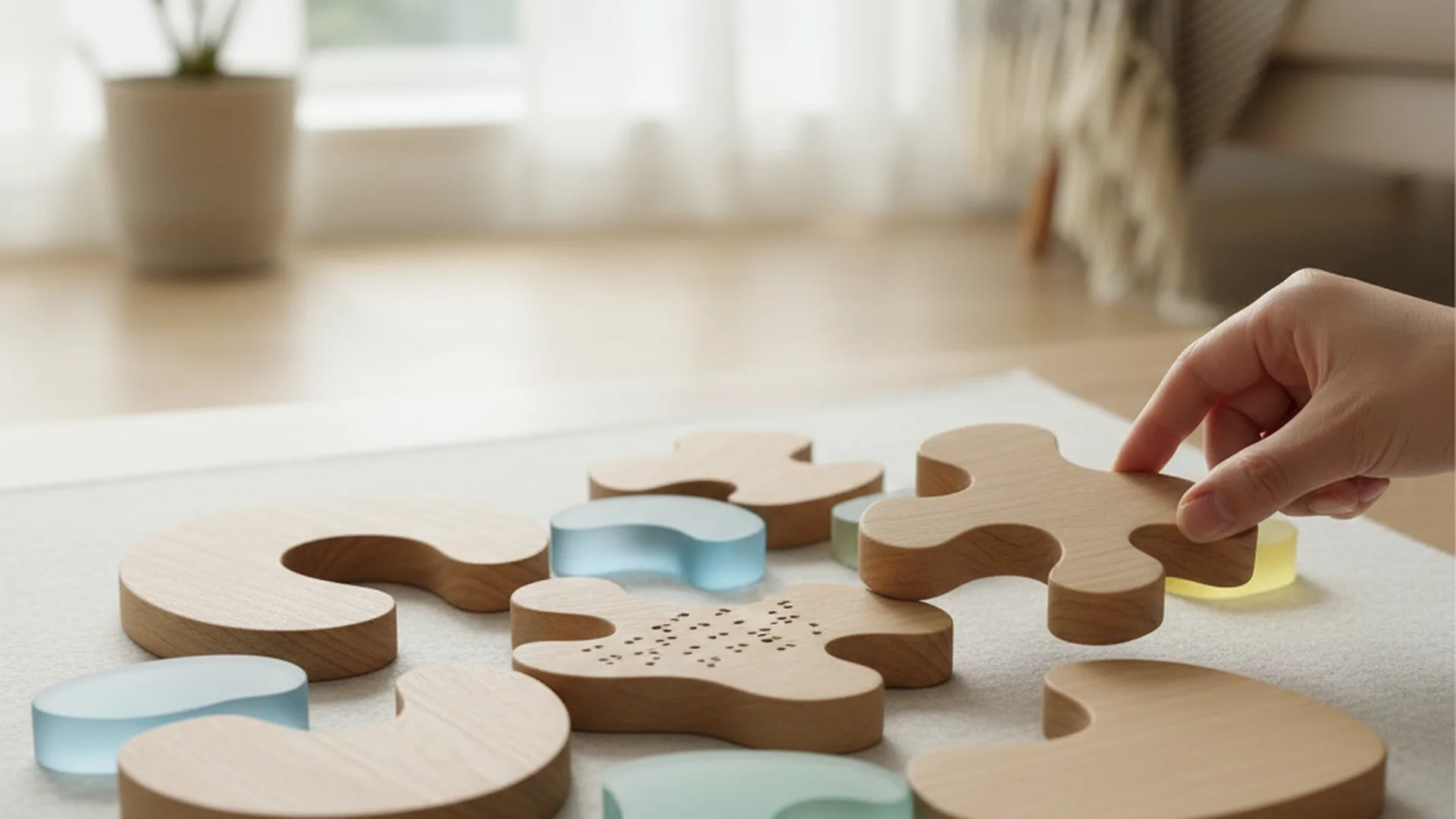
For many, a Sunday morning crossword or a quick word search is a relaxing ritual. However, for the 1 in 5 individuals living with dyslexia, these traditional games can often feel like a frustrating barrier rather than a fun challenge. How we process language on the page matters enormously to puzzle design, and in recent years the industry has undergone a radical shift. The emergence of dyslexia friendly puzzles and specialized dyslexia word games is not just about making games easier; it is about redesigning the cognitive experience to align with how neurodivergent brains actually process information.
The goal is to move away from "testing" a player's struggle and toward "engaging" their strengths. Research shows that when puzzles are designed with accessibility in mind, they become powerful tools for cognitive development, pattern recognition, and even reading speed.
The Science of Dyslexia and Puzzling
Dyslexia is often misunderstood as a simple vision problem—a misconception that can lead to ineffective interventions. In reality, it is a language-processing difference. While the brain may struggle with phonological awareness (breaking down words into sounds), it often compensates with "superior" skills in 3D spatial reasoning and non-linear problem-solving.
According to a 2023 study by the International Dyslexia Association, engaging in visual-spatial tasks, such as jigsaw puzzles or pattern-building games, can improve word recognition in dyslexic learners by up to 15%. This is because these games strengthen the brain’s ability to recognize patterns and "decode" visual clusters. This process mirrors the way we eventually blend sounds into words.
The Impact of Gamification
In 2025, the educational technology (EdTech) market is projected to reach over $348 billion. A significant portion of this growth is driven by gamified learning. For students with learning differences, gamified platforms can improve e-learning effectiveness by a staggering 89.4% compared to traditional, static methods. By turning "work" into a "game," we reduce the "processing speed" anxiety that often causes the brain to freeze during high-pressure literacy tasks.
Design Standards for Dyslexia-Friendly Puzzles
Creating a truly accessible puzzle requires more than just changing a font. Organizations like the British Dyslexia Association (BDA) have established clear design standards that help reduce visual stress and cognitive load.
Typography and Layout
The "shape" of a word is vital for recognition. When words are written in ALL CAPS or Italics, that familiar shape is distorted, making it harder for a dyslexic reader to identify the word at a glance.
- Font Choice: Use clean, sans-serif fonts such as Arial, Verdana, or Lexend. While fonts like OpenDyslexic are popular, 2025 research indicates that spacing is actually more critical.
- Spacing: Increasing character spacing by 7–10% and maintaining a line height of at least 1.5x significantly reduces "letter crowding."
- Alignment: Always use left-aligned text with a "ragged" right edge. This helps the eye find the start of the next line more easily than justified text, which creates uneven gaps between words.
Color and Contrast
High-glare environments are a major trigger for visual stress. The "stark white" background of a standard piece of paper or a bright mobile screen can cause letters to seem like they are "swimming" or jumping.
- Soft Backgrounds: Use off-white, cream, or soft pastel backgrounds.
- Text Color: Dark grey or deep blue text is often easier on the eyes than pure black, as it reduces the harsh contrast that causes glare.
Advertisement
Recent Trends in Accessible Gaming (2025-2026)
The landscape of accessibility is changing rapidly thanks to AI and immersive technology. We are moving into an era of "Personalized Puzzling."
AI-Personalized Learning
New platforms launched in late 2025, such as SpellingJoy and PuzzleTide, now use AI to dynamically adjust word lists in real-time. If a player consistently struggles with "ph" sounds or specific vowel clusters, the AI adapts the next puzzle to reinforce those specific phonetic areas without the player feeling "stuck."
AR/VR and Spatial Puzzles
2025 has seen a massive rise in "Spatial Puzzles" within Virtual Reality. These games allow learners to physically manipulate 3D floating letters. This aligns perfectly with the natural strength many dyslexic individuals have in 3D spatial awareness. Instead of looking at a flat, 2D word, they can walk around it, move the letters, and "feel" the structure of the language.
Sensory-Integrated Puzzles
2026 product releases are focusing on "tactile-visual" hybrids. For example, the Highlights 4-Book Set (2026 Edition) includes physical puzzles that trigger digital rewards or audio cues when scanned with a smartphone. This multi-sensory approach ensures that if a player’s visual processing tires, their auditory or tactile senses can pick up the slack.
Recommended Games and Tools (2025-2026)
Whether you are looking for physical board games or digital apps, there are excellent options available that follow accessibility best practices.
| Category | Recommended Games/Tools | Key Accessibility Feature |
|---|---|---|
| Physical Board Games | Bananagrams | Tactile, clear block lettering, no board constraints. |
| Logic Games | Blokus | Focused on pattern recognition and spatial strategy. |
| Strategy Games | Azul | Uses patterns and colors instead of heavy text. |
| Digital Apps | Nessy Reading & Spelling | Immersive 3D storyline and gamified phonics. |
| Mobile Tools | Omoguru | Highly customizable reader for any digital text. |
| Print Resources | PuzzleTide | Custom dyslexia-friendly word search maker. |
Common Mistakes to Avoid
When selecting or designing dyslexia word games, many well-meaning educators and parents fall into common traps.
1. Using Word Searches as a "Brain Break"
For a neurotypical student, a word search might be a relaxing way to end the day. For a dyslexic student, it is high-effort cognitive labor. Using it as a "break" can lead to cognitive exhaustion and frustration. If you must use them, ensure "diagonal" and "reverse" words are disabled to reduce visual tracking strain.
2. Forcing Timed Challenges
Timers are the enemy of the dyslexic brain. They trigger "processing speed" anxiety, which can cause the brain to shut down. To make a game truly Puzzle Accessibility Guide compliant, always offer an untimed mode.
3. Misinterpreting Visual Fatigue
If a player starts making more mistakes after 15 minutes, it isn't a lack of effort. It is likely visual fatigue. Dyslexic readers often exert significantly more energy to decode text than others.
Advertisement
Puzzles for Adults with Dyslexia
It is a common misconception that dyslexia is only a childhood issue. Dyslexia is lifelong, and many adults find that keeping their minds sharp with inclusive logic puzzles is essential. Adult-oriented games like SmartGames' IQ Noodles have trended in 2025 for their ability to maintain cognitive agility without the "childish" aesthetic often found in educational tools.
Adults can also benefit from classic games with a twist. For instance, Sudoku and Tangram are excellent for practicing logic and spatial reasoning without the heavy burden of phonetics. For those who love word-based challenges, Word Ladder games can be a great way to practice small, incremental changes in word structure.
Frequently Asked Questions
Are word searches bad for people with dyslexia?
Not necessarily, but they should be used for practice rather than testing. To make them accessible, experts suggest disabling "diagonal" or "reverse" words, which cause significant visual tracking strain for dyslexic players.
Do dyslexia-friendly fonts (like OpenDyslexic) actually work?
While specialized fonts help some individuals, recent 2025 studies suggest that spacing (7–10% increase in character spacing) and line height (1.5x minimum) are actually more critical factors in improving readability than the shape of the letters themselves.
Can puzzles improve reading speed?
Yes. By strengthening the brain’s ability to recognize patterns and "decode" visual clusters, puzzles mirror the process of blending sounds into words. Over time, this helps build the "visual word form area" of the brain.
Should games be timed?
Generally, no. For dyslexic learners, a timer often triggers "processing speed" anxiety. This can cause the brain to "freeze," negating the educational benefit of the game. It is always better to focus on accuracy and strategy over speed.
Is dyslexia a vision problem?
No. Dyslexia is a language-processing difference. While it can cause visual stress, exercises that focus only on "fixing" the eyes (like eye-tracking therapy) do not treat the root cause, which is how the brain processes phonemes and language.
Conclusion
The world of puzzles is finally becoming a place where everyone, regardless of how their brain processes language, can participate. By focusing on design standards like increased spacing, sans-serif typography, and removing the pressure of the clock, we transform dyslexia friendly puzzles from a struggle into a source of strength.
As we look toward 2026, the integration of AI and tactile technologies promises to make dyslexia word games more personalized and effective than ever before. Whether you are a student, a parent, or an adult looking to keep your mind sharp, remember that the goal of a puzzle is to engage the mind—and every mind deserves a game that speaks its language.
Explore More Accessible Games
Discover our full range of inclusive puzzles and brain trainers.
Put it into practice
Keep reading
Accessibility
The Ultimate Guide to Accessible Puzzles: Games for All Abilities
Discover how accessible puzzles are transforming gaming. Learn about tactile jigsaw designs, screen-reader-friendly digital grids, and 2026 inclusive design trends.
Feb 10, 2026 12 min
Comparisons
Word Puzzles vs Number Puzzles: Which Is Best for Your Brain?
Explore the ultimate debate of word vs number puzzles. Discover which cognitive benefits suit your goals, from verbal intelligence to logical reasoning.
Dec 15, 2025 12 min
Word Games
The Ultimate Guide to Word Scramble Games and Anagram Puzzles
Explore the science, history, and master strategies behind word scramble games. Learn how anagram puzzles boost brain health and cognitive performance in 2025.
Sep 17, 2025 12 min
Advertisement