Best Brain Games Ranked: Science-Backed Picks for 2025–2026
Explore the best brain games ranked by scientific efficacy. From Elevate to Chess, discover which cognitive tools actually improve memory and focus in 2025.
By Free To Play Puzzles Editorial Team 15 min read
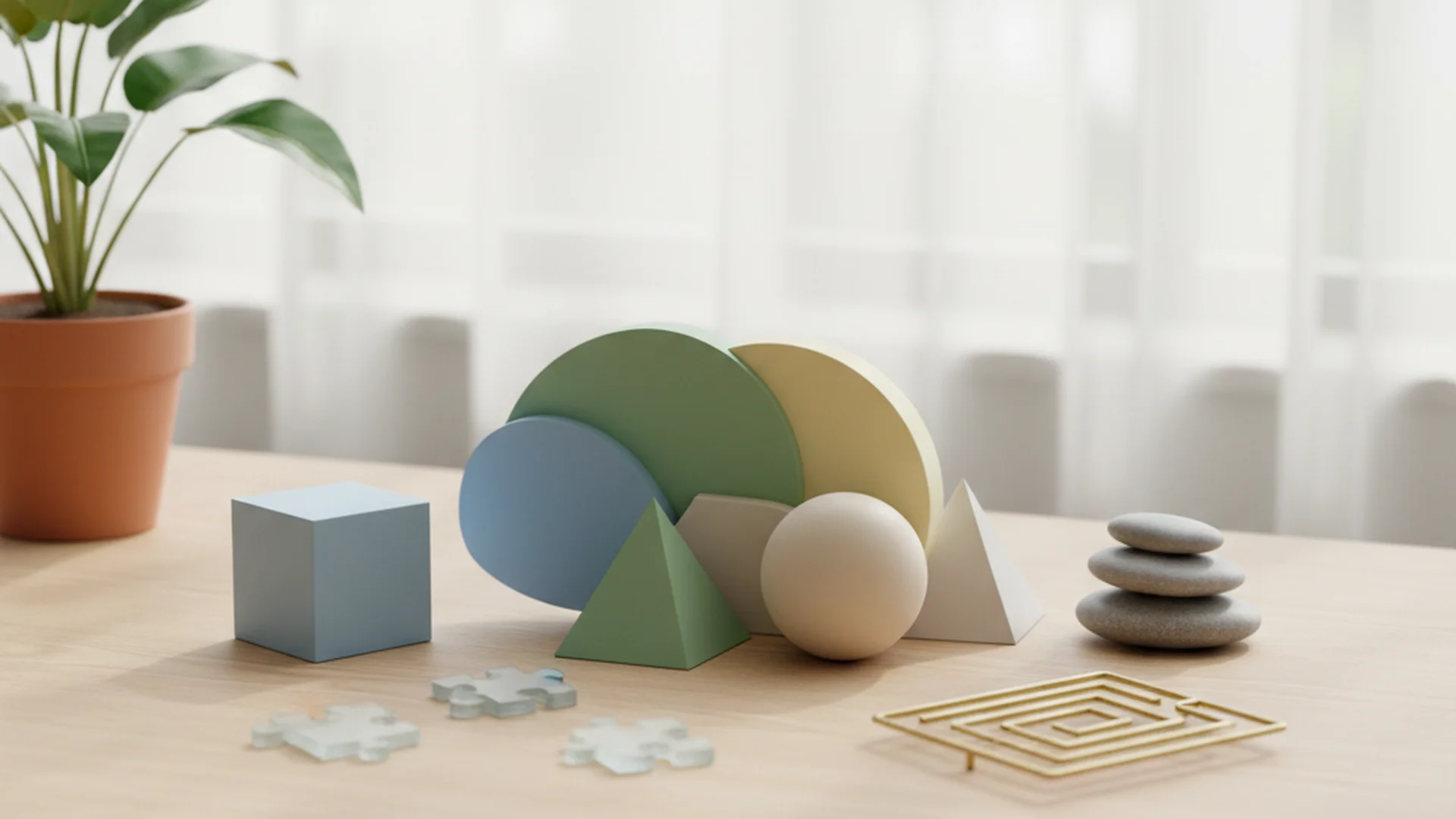
In an era where our attention spans are constantly under siege by digital notifications and short-form media, the quest for mental clarity has never been more urgent. Different types of mental engagement affect the brain in different ways, and a common question is: what are the best brain games that actually deliver results?
The market for cognitive enhancement is exploding. Experts project the brain training software market will reach approximately $5 billion by 2026, with some broader estimates suggesting the mental wellness app market could hit a staggering $39 billion by 2033. This growth is largely fueled by a global aging population; nearly 30% of new users join these platforms specifically to combat concerns over age-related memory loss and Alzheimer’s.
But with thousands of apps claiming to "unlock your potential," which ones are grounded in reality and which are merely digital distractions? In this guide, we will rank the top contenders based on clinical data, user performance, and the latest trends for 2025–2026.
The Science of Cognitive Training: Do They Really Work?
Before we dive into the rankings, we must address the "elephant in the room": the efficacy of brain training. The scientific community distinguishes between "near transfer" and "far transfer." Near transfer means you get better at the specific task you are practicing (e.g., getting better at Sudoku). Far transfer refers to those skills spilling over into daily life (e.g., Sudoku making you better at managing your household finances).
Recent research suggests that brain games that work do so by building "cognitive reserve." A landmark study on Lumosity demonstrated that users who trained for 15 minutes a day, five days a week, saw significant improvements in working memory and processing speed compared to a control group.
For a deeper dive into the mechanisms behind these improvements, you might explore our article on How Puzzles Improve Memory and Focus.
Best Brain Games Ranked (2025–2026)
The following rankings are based on a combination of clinical backing, user interface quality, and the diversity of cognitive skills targeted.
| Rank | Game/App | Best For... | Key Feature |
|---|---|---|---|
| #1 | Elevate | Practical Skills | Focuses on math, reading, and writing—skills that translate directly to the workplace. |
| #2 | Lumosity | Cognitive Fundamentals | One of the most studied apps, targeting memory, flexibility, and problem-solving. |
| #3 | Peak | Personalized AI Training | Uses a "Coach" AI to build daily workouts based on your performance data. |
| #4 | Chess | Strategic Logic | Scientifically linked to a 9% reduction in dementia risk for regular players. |
| #5 | NeuroNation | Clinical Rehabilitation | Funded by the German government; used for cognitive rehab and executive function training. |
| #6 | Sudoku / Wordle | Daily Routine | Excellent for short-term memory and logical reasoning without a subscription fee. |
| #7 | NeuroTracker | High-Performance | Used by NASA and athletes; focuses on 3D multiple object tracking and high-speed processing. |
#1. Elevate: The Practical Powerhouse
Elevate takes the top spot for 2025 because it bridges the gap between abstract brain training and real-world utility. Unlike games that ask you to remember the location of a digital bird, Elevate asks you to calculate a discount at a store or identify grammatical errors in a text.
Real-World Example: Consider a marketing executive who uses Elevate’s "Brevity" and "Error Avoidance" games. By practicing these for 10 minutes before work, they sharpen their ability to edit emails quickly and catch errors in client presentations, demonstrating "far transfer" in action.
#2. Lumosity: The Gold Standard of Research
With over 100 million users, Lumosity remains a titan in the field. Its games are designed by neuroscientists to target specific cognitive domains like selective attention and divided attention. If you are interested in the clinical side of gaming, Brain Training Apps: Do They Work? offers a comprehensive look at the research behind platforms like this.
#3. Peak: AI-Driven Personalization
Peak’s standout feature is its "Coach," an AI that analyzes your performance across categories like Focus, Language, and Mental Agility. In 2025, Peak has integrated biometric feedback, allowing the app to adjust the difficulty based on your sleep quality or heart rate data from wearables.
#4. Chess: The Ancient Logic Trainer
While digital apps are flashy, classic games like Chess remain some of the best brain games available. A regular Chess habit is linked to a 9% reduction in dementia risk. It requires deep calculation, pattern recognition, and emotional regulation under pressure.
Advertisement
The "Crossword Advantage" and Classic Puzzles
Interestingly, high-tech isn't always "better" tech. Recent 18-month clinical studies found that crossword puzzles actually outperformed some web-based games in reducing brain shrinkage for older adults with mild cognitive impairment. This is likely due to the complex retrieval of vocabulary and general knowledge required to solve them.
For those looking to maintain cognitive health as they age, combining digital apps with classic puzzles is the most effective strategy. You can find more targeted advice in our guide on Best Brain Games for Seniors.
Digital vs. Analog: Which Should You Choose?
- Digital Apps: Best for rapid processing speed, reaction time, and tracking progress over time.
- Analog Puzzles (Crosswords/Sudoku): Best for vocabulary, long-term memory retrieval, and sustained focus without blue light exposure.
Expert Best Practices: The "Cross-Training" Rule
Many players are world-class at Sudoku but struggle with basic spatial reasoning. This is because they have reached a plateau. To keep the brain growing, you must follow the Cross-Training Rule.
Just as you wouldn't only do "bicep curls" at the gym, your brain needs a mix of memory, logic, verbal, and spatial exercises.
The Sweat Connection
One of the most overlooked aspects of brain health is physical movement. Neuroscientists emphasize that aerobic exercise (like a brisk 20-minute walk) increases blood flow to the hippocampus. This creates a fertile environment for neuroplasticity, which the brain games then "fill" by strengthening new neural connections.
Recent Trends (2025–2026)
The landscape of brain gaming is shifting rapidly. Here is what is changing this year:
1. VR/AR Brain Labs
Platforms like NeuroTracker and new games for the Quest 4 are moving into "immersive cognition." Instead of clicking a screen, users are placed in 3D environments where they must track moving objects in 360 degrees. This is particularly effective for training spatial awareness and peripheral vision.
2. Gamification 2.0
New apps like Impulse are using "TikTok-style" bite-sized challenges. These are specifically designed to fight the short attention spans caused by social media by providing 30-second bursts of intense logical friction.
3. Biometric Integration
In 2025, the best brain games are no longer "one size fits all." By syncing with devices like the Apple Watch or Oura Ring, apps can suggest easier workouts on days when your "Readiness Score" is low due to poor sleep or high stress.
Advertisement
Common Mistakes to Avoid
Many people dive into brain training with the wrong mindset, leading to burnout or disappointment.
- Mistake: The Multitasking Fallacy. Playing a brain game while watching TV is counterproductive. Cognitive training requires deep focus to trigger the chemical changes necessary for neuroplasticity.
- Mistake: Replacing Real-World Learning. An app should supplement your life, not replace it. Learning a new language or a musical instrument creates more robust neural pathways than clicking a screen ever will.
- Mistake: Sticking to What You’re Good At. If you love math, you'll naturally gravitate toward Math Puzzles. However, you’ll get more "brain growth" by forcing yourself to play word-based games like Word Scramble or Word Ladder.
Frequently Asked Questions
Do brain games really work?
Yes, but with caveats. Research shows they improve performance in the specific tasks practiced (near transfer). While the debate on "far transfer" (making you generally smarter) continues, they are proven to build cognitive reserve and improve processing speed.
Can they prevent Alzheimer's?
No game can "prevent" or "cure" Alzheimer's. However, engaging in regular mental stimulation is a key pillar of brain health that can help delay the onset of symptoms and slow the rate of decline by strengthening neural networks.
How long should I play?
Experts recommend 15–20 minutes daily. Consistency is far more effective than "binge-playing" for four hours once a week. Think of it like brushing your teeth—a small, daily habit leads to long-term health.
Are free games as good as paid apps?
Traditional games like Minesweeper, Sudoku, and Chess are often more effective for pure logic than some flashy, unverified free apps that are cluttered with ads. Paid apps like Elevate and Lumosity offer better data tracking and scientific validation, but you can certainly stay sharp using free Logic Puzzles and Word Search games.
Should I play alone or with others?
Social interaction is one of the strongest predictors of cognitive longevity. Whenever possible, play games with others. Engaging in a game of Connect Four or Hangman with a friend provides the added benefit of social cues and emotional engagement, which apps often lack.
Conclusion
The "best" brain game is ultimately the one you will actually play consistently. Whether you prefer the sleek, AI-driven interface of Peak, the practical skill-building of Elevate, or the timeless challenge of Sudoku, the key is to keep your brain in the "Goldilocks Zone"—challenged enough to cause slight frustration, but not so hard that you give up.
By diversifying your "mental diet," staying physically active, and embracing new technologies like VR and biometric feedback, you can maintain a sharp, resilient mind well into the future. For more tips on making these games a part of your daily life, check out our guide on Daily Puzzle Habit: Building a Routine.
Ready to Start?
Challenge your brain with our daily puzzles today.
Put it into practice
Keep reading
Brain Health
15 Best Brain Games for Seniors to Stay Sharp in 2025
Discover the best brain games for seniors backed by 2025 research. Learn how senior brain training and cognitive games can delay decline and improve memory.
Sep 10, 2026 12 min
Brain Health
Mastering Divided Attention Games: Science, Strategy, and 2025 Brain Training Trends
Explore how divided attention games can improve cognitive processing speed and help mitigate the 40% multitasking productivity tax in 2025.
Jun 9, 2026 12 min
Brain Health
Estimation Games: Mastering the Art of Approximation for Brain Health
Explore how estimation games and approximation brain games are revolutionizing cognitive training. Learn expert techniques like the Fermi Method to sharpen your mind.
Apr 1, 2026 10 min
Advertisement