Word Search Difficulty Levels: A Comprehensive Guide
Learn how word search difficulty is calculated through grid size, directionality, and the diagonal factor. Perfect for puzzle creators and enthusiasts.
By Free To Play Puzzles Editorial Team 10 min read
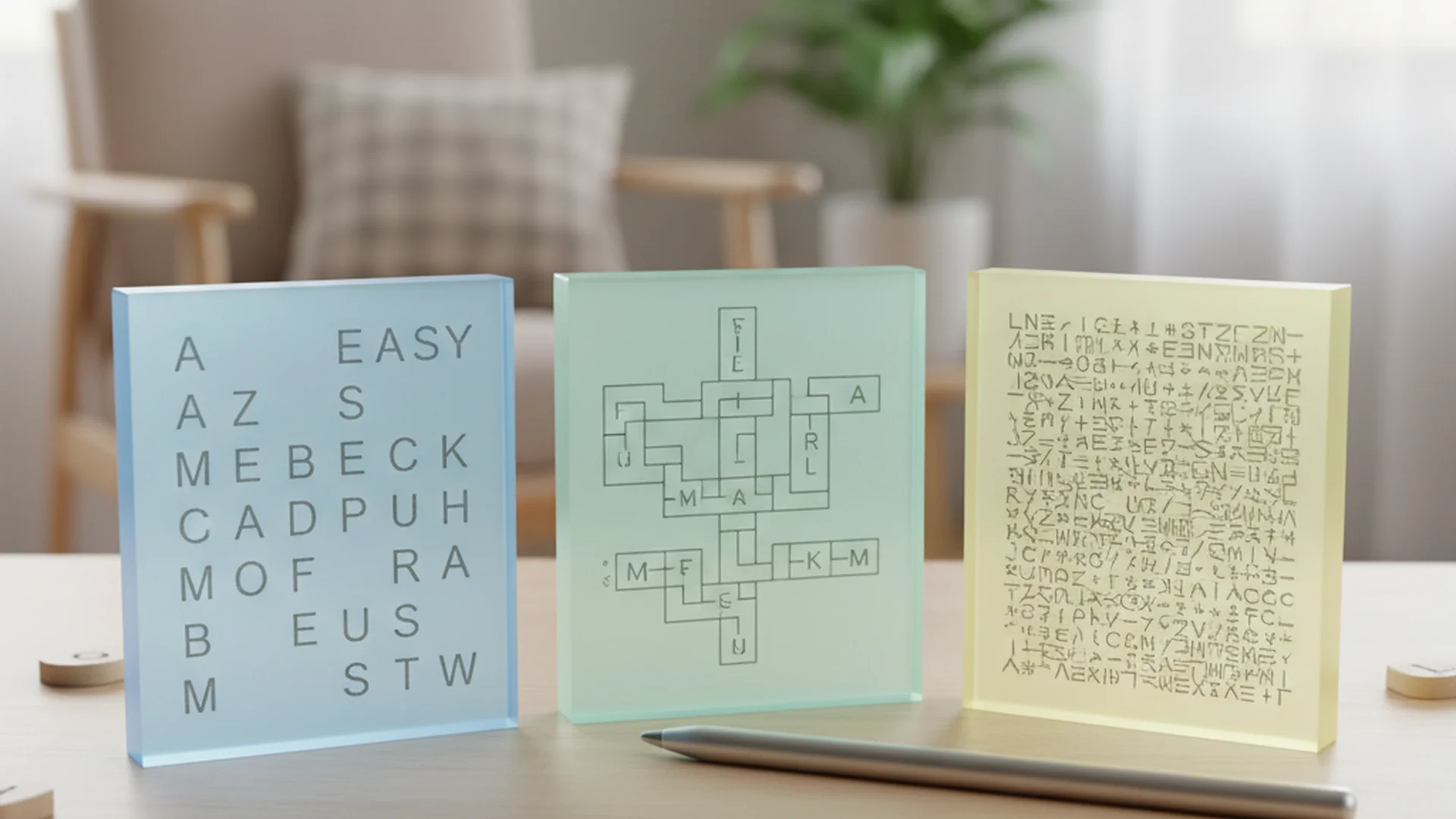
Have you ever wondered why some puzzles feel like a relaxing stroll through a park while others leave you staring at a grid of letters until your eyes cross? The secret lies in the science of word search difficulty. Puzzle designers pull specific "levers" to create the right experience for every type of solver. Whether you are an educator looking for the right classroom activity or a casual player trying to understand the difference between easy vs hard word search layouts, understanding these difficulty levels is the first step toward mastering the game.
The Anatomy of Difficulty: The Five Levers
In the world of puzzle publishing, difficulty isn’t just a feeling—it’s a metric. We use five primary levers to adjust the cognitive load required to solve a grid. By turning these "knobs," a creator can take a simple list of Animal Word Search terms and transform them from a toddler’s delight into a professional-level challenge.
- Grid Size: The larger the area, the more "noise" or filler letters a solver must filter out.
- Directionality: This refers to the paths words can take (horizontal, vertical, diagonal, and reverse).
- Word Density: How much of the grid is occupied by target words versus random filler.
- Filler Letter Quality: Using random letters is easy; using letters that look like your target words is hard.
- Word Length: Surprisingly, longer words can sometimes be easier to find than short, three-letter words because they create recognizable patterns.
Easy vs Hard Word Search: A Comparative Breakdown
When choosing or creating a puzzle, it is helpful to look at the numbers. Industry data from 2025 shows that clear difficulty labeling doesn't just help the solver—it actually increases completion rates by 40%.
| Difficulty Level | Grid Size | Target Age/User | Average Solve Time |
|---|---|---|---|
| Very Easy | 6x6 – 8x8 | Ages 4–6 | 2–3 minutes |
| Easy | 10x10 | Ages 7–9 / Casual Adults | 3–5 minutes |
| Medium | 12x12 | Standard Classroom / General Use | 5–8 minutes |
| Hard | 15x15 | Experienced Solvers | 8–12 minutes |
| Expert | 20x20+ | Competitive Puzzlers | 15–25+ minutes |
For those looking to integrate these into a curriculum, educational word searches usually sit in the "Medium" category to provide a challenge without causing frustration.
Advertisement
The "Diagonal Factor" and Directional Challenges
If you want to make a puzzle significantly harder without increasing the grid size, you add diagonals. Research indicates that adding diagonal words increases the perceived and actual word search difficulty by roughly 40%.
The human brain is optimized to read from left to right. When we encounter words that run bottom-to-top or reverse-diagonal, our pattern recognition software hits a snag. This is why many people struggle with backwards words in word searches; the brain has to manually "flip" the letters to verify the match, which consumes more mental energy.
Expert Strategies for Puzzle Creators
For those of you building your own puzzles, there are professional techniques used to elevate a standard grid to "Expert" status.
The "False Lead" Strategy
To challenge a seasoned pro, don't just fill the empty spaces with random letters. Instead, use "False Leads." If your target word is "PUZZLE," place the letters "PUZZ" in a different part of the grid, but end it with an "X" or "Y." This creates a distracting partial match that forces the solver to restart their scan.
Thematic Fill
Modern high-quality puzzles avoid truly random filler. Expert-level creators use "Thematic Fill," where the extra letters are pulled from the theme's vocabulary. If you are making a Geography Word Search, your filler letters should include high frequencies of letters like 'Z', 'Q', and 'X' found in country names, rather than just common vowels.
Placement Order
Always place your longest and most complex words (diagonals and reverse orientations) first. It is much easier to fit small, three-letter words into the remaining gaps later than it is to wedge a 12-letter diagonal into a nearly full grid.
Solving Like a Pro: Tips for Any Difficulty
Even the hardest puzzles can be cracked with the right system. If you find yourself stuck on a 20x20 grid, try these "Competitive Cruciverbalist" techniques:
- The Perimeter Sweep: Solvers often ignore the outer border. Start your search by scanning the very first and last rows and columns.
- Scan for "Uncommon" Letters: Instead of looking for the whole word, look for "anchor" letters like J, X, Q, or Z. These stand out visually in a field of common letters like E, T, and A.
- The Pencil Pivot: If you're struggling with diagonal word search tips, try physically rotating the page 45 degrees. This can sometimes align a diagonal word into a "horizontal" plane for your eyes.
Advertisement
Modern Trends (2025–2026)
The world of word searches is evolving beyond the standard square grid. In 2025, several new formats have gained popularity:
- Spiral Word Searches: Words don't follow straight lines but instead spiral from the center outward or vice versa. These are considered "Expert" due to the constant change in direction.
- "Fate" Word Searches: A social media trend where the first three words you see are said to predict your future. These are more about gamification than traditional difficulty.
- 3D Word Search Cubes: Digital platforms now offer 3D grids that require rotating a cube to find words wrapping around the edges, adding a spatial reasoning component to the search.
- Word Chain Puzzles: A variation where the last letter of one word serves as the first letter of the next, creating a logical flow that the solver must discover.
Common Mistakes to Avoid
Whether you are a creator or a solver, avoid these common misconceptions:
- Misconception: More words = Harder puzzle. A 100-word puzzle can be easy if the grid is massive and all words are horizontal. Difficulty is about density and direction, not volume.
- Mistake: Using a grid that is too small for the word list. If you have 12-letter words but only a 10x10 grid, the words simply won't fit, leading to truncated words and frustrated solvers.
- Mistake: Relying on Truly Random Filler. Random letters often create unintended clusters that make the actual words too easy to spot. High-level puzzles use "balanced" filler to maintain a consistent challenge.
Frequently Asked Questions
What actually makes a word search "hard"?
It is a combination of "noise" (filler letters) and "directionality." A large grid with only horizontal words is easier than a small grid where every word is backward and diagonal.
How long should a word search take?
For a quick classroom warmup, 3–7 minutes is the "sweet spot." For independent focused work or adult "brain breaks," 10–20 minutes is more common.
Why can't I find the last word?
This is usually due to "Eye Fatigue" or the word being placed in a reverse-diagonal orientation. The brain naturally begins to skip over familiar areas after several minutes of scanning.
Does word length matter?
Surprisingly, longer words (8–12 letters) are often easier to spot because they create unique visual patterns. Short words (3–4 letters) are harder because their patterns occur frequently by accident in the filler letters.
Conclusion
Understanding word search difficulty allows you to tailor your experience, whether you are looking for a relaxing Free Word Search Online or designing a complex challenge for a puzzle book. By manipulating grid size, directionality, and filler quality, creators can build puzzles that cater to everyone from preschoolers to competitive solvers. Remember: if you get stuck, it’s not you—it’s just your brain struggling with a reverse-diagonal!
Ready to Start?
Test your skills with our wide selection of puzzles.
Put it into practice
Keep reading
Word Search
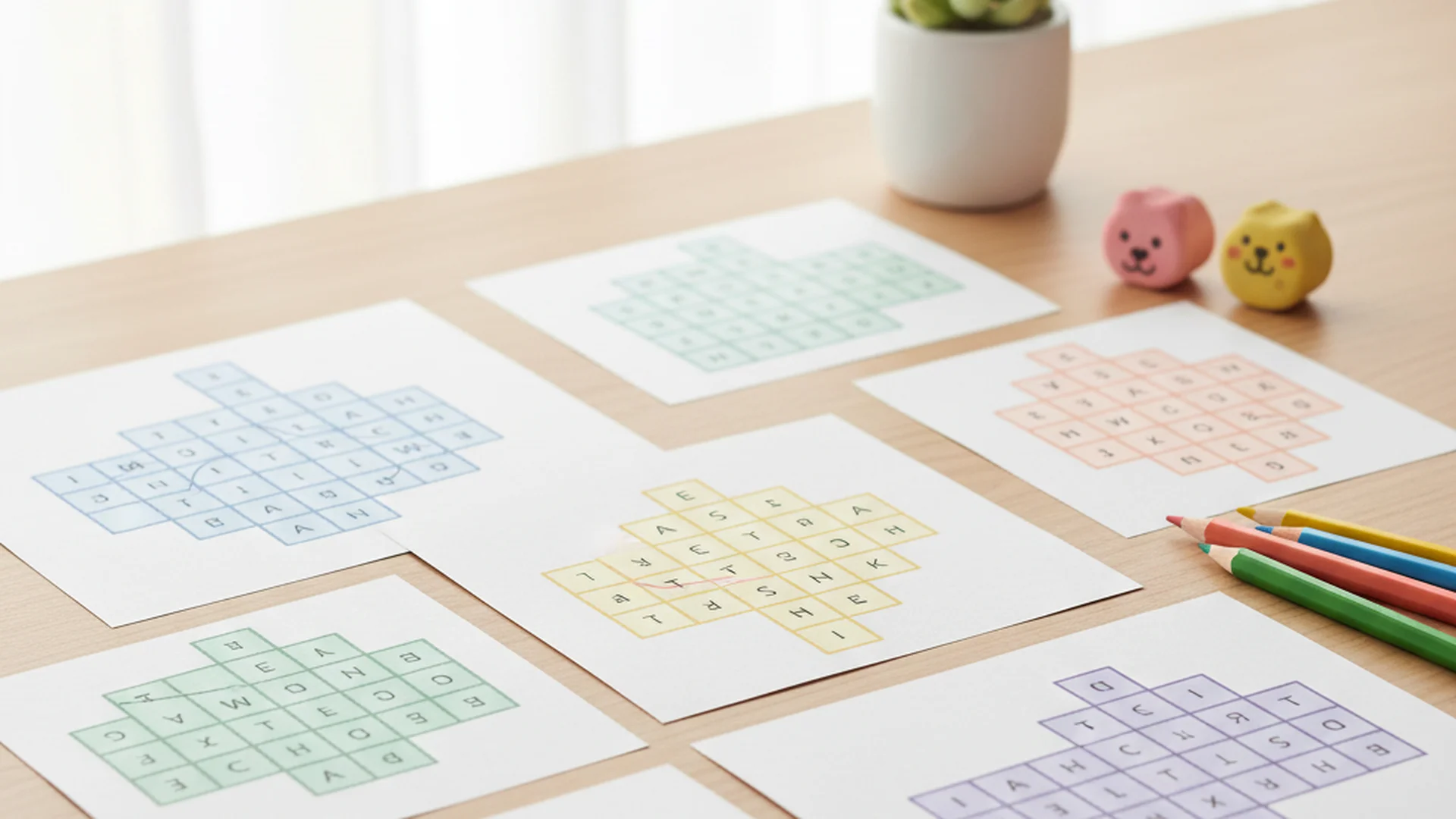
The Ultimate Guide to Printable Word Search Puzzles for Kids: Education Meets Play
Discover why printable word search kids love are essential for development. Learn about 2025 trends, age-appropriate designs, and cognitive benefits.
Aug 20, 2026 10 min
Word Search
Hollywood at Your Fingertips: The Ultimate Guide to Movie Word Search Puzzles
Explore the world of movie word search puzzles. Learn about cognitive benefits, 2026 film trends, and expert design tips for the ultimate Hollywood experience.
Aug 12, 2026 10 min
Word Search
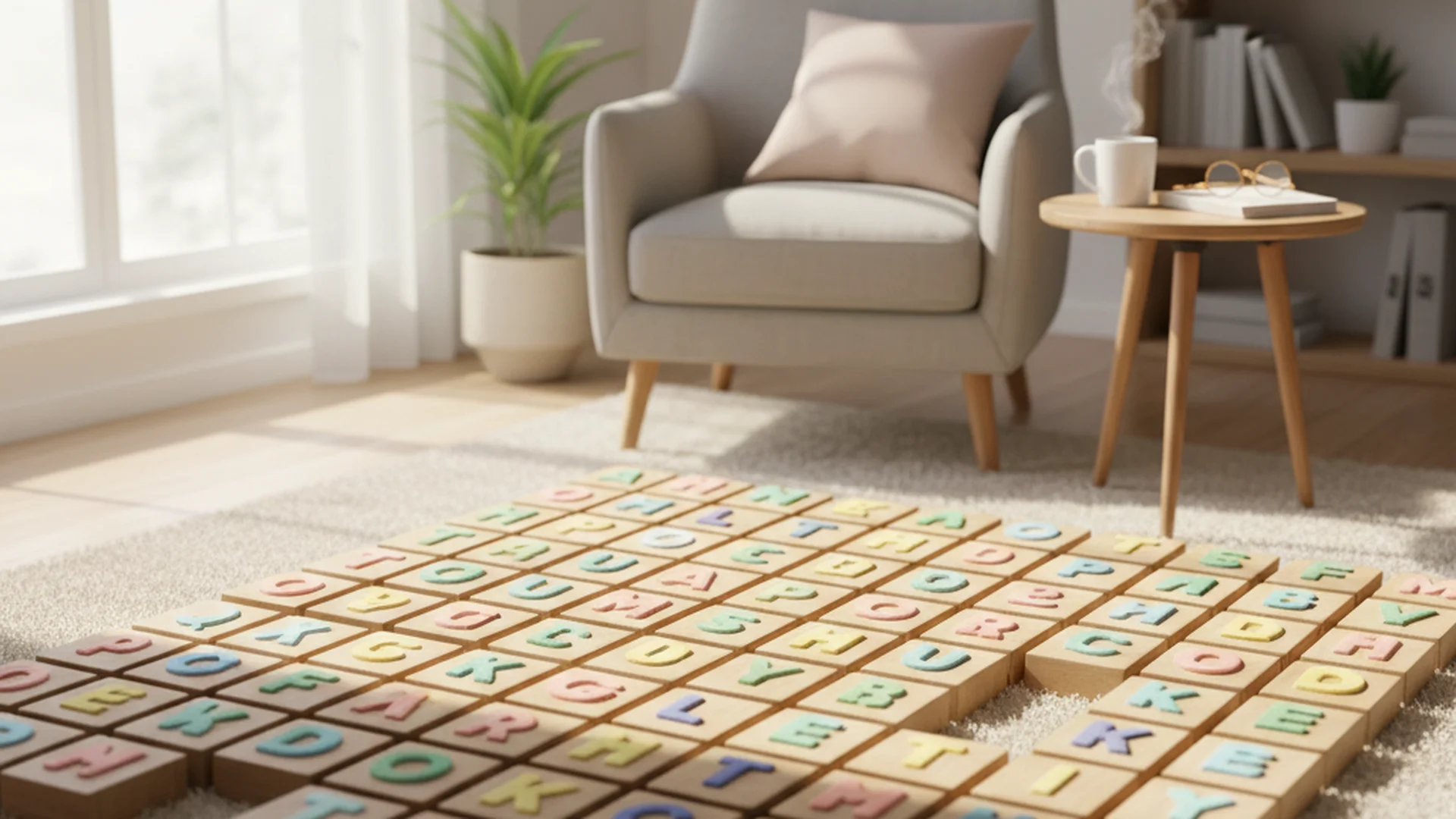
Giant Word Search Puzzles: The Ultimate Guide to Mega Challenges
Discover the world of giant word search puzzles. Learn about world records, cognitive health benefits, and expert strategies for conquering massive grids.
Jan 18, 2026 10 min
Advertisement