Mastering Synonym Antonym Puzzles: A Guide to Boosting Your Brainpower
Explore the science and strategy of synonym antonym puzzles. Learn how word meaning puzzles improve memory, vocabulary, and test scores in 2025.
By Free To Play Puzzles Editorial Team 10 min read
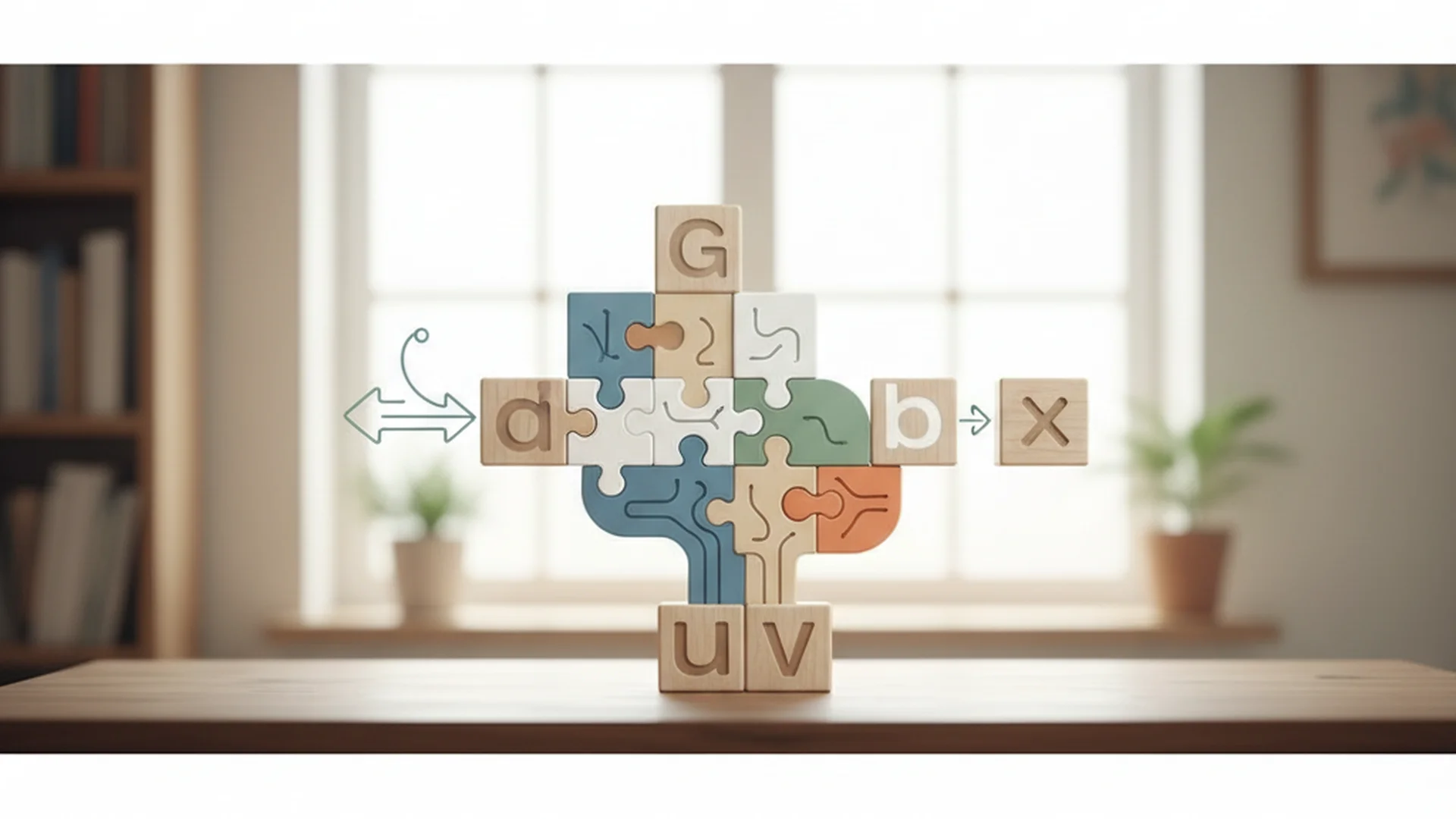
Whether you are a student preparing for the GRE or a lifelong learner looking to keep your mind sharp, synonym antonym puzzles offer a unique blend of linguistic challenge and cognitive reward. These activities are far more than simple classroom fillers; they are sophisticated tools designed to enhance vocabulary, strengthen neural pathways, and even delay the onset of mental decline. In the current 2025–2026 puzzle landscape, these word meaning puzzles have evolved from basic worksheets into immersive, AI-driven digital experiences that adapt to your unique skill level.
As a logic instructor, I have seen firsthand how shifting from numbers to words can provide a holistic "brain workout." By understanding the nuances of language—why two words mean nearly the same thing but carry different "weights"—you unlock a deeper level of analytical thinking that transcends the puzzle grid.
The Science of Word Meaning Puzzles
The impact of solving synonym antonym puzzles on the human brain is backed by significant research. Studies have shown that regularly engaging with word-based challenges can delay the onset of accelerated memory decline in dementia patients by an average of 2.54 years. This isn't just about learning new words; it is about the mechanical way our brain stores information.
Brain Mechanics and Processing Speed
When you solve a synonym puzzle, you primarily engage the hippocampus. This area of the brain is responsible for memory and language processing. Strengthening these neural connections is vital for long-term cognitive health. Interestingly, psycholinguistic studies from Cambridge Core indicate that humans judge direct antonyms (like hot and cold) significantly faster than synonyms. This suggests that our brains store opposites through "associative connections," making antonym puzzles an excellent way to test the speed of your mental retrieval.
Pro Strategies for Solving Synonym Antonym Puzzles
To excel at advanced Word Logic Games, you need more than a large vocabulary; you need a strategy. Here are the techniques used by competitive solvers and logic experts.
The "Charge" Technique
Assign a positive (+), negative (-), or neutral (=) charge to the target word. If you are looking for a synonym of a negative word like maligned, you can immediately eliminate any positively charged options in a multiple-choice format. This logical filter saves time and prevents you from falling for "distractor" words that might look similar but carry the wrong emotional weight.
Root Analysis
Break words down into their Latin or Greek origins. For example, knowing that bene means "good" and mal means "bad" allows you to solve puzzles even when the specific vocabulary word is unfamiliar. If a puzzle asks for an antonym of benevolent, you should look for a word starting with mal-, such as malevolent.
Context and Shades of Meaning
A common misconception is that all synonyms are interchangeable. In high-level puzzles, you must account for "shades of meaning." For instance, angry and furious share a core meaning, but they differ in intensity. In a Crossword or word ladder, the clue often hints at the specific "register" or intensity required for the answer.
Advertisement
2025 Trends: The Future of Word Games
The world of synonym antonym puzzles has seen a digital revolution. We are no longer limited to the back pages of newspapers.
- AI-Adaptive Difficulty: Modern puzzle apps now use AI to adjust word difficulty in real-time. If you solve synonym pairs too quickly, the system introduces obscure vocabulary to maintain the "flow state" of optimal challenge.
- Hybrid-Casual Gaming: Developers are blending simple word puzzles with deep progression systems. You might solve a series of antonym matches to unlock resources for a virtual city or to escape a "digital room."
- Sustainability in Physical Media: For those who prefer the tactile feel of paper, brands like Ravensburger have moved to 100% eco-friendly materials, catering to the 2025 trend of sustainable "analog" hobbies.
Common Mistakes to Avoid
Even seasoned solvers can fall into predictable traps. Recognizing these patterns will help you clear Word Search grids and complex logic puzzles with ease.
The "Restive" Trap
Many solvers assume a word's meaning based on how it sounds. A classic example is the word restive. Because it sounds like "rest," people often think it means "peaceful." In reality, restive means "restless" or "fidgety." Its correct antonym is patient or calm. Always double-check "false friend" words that sound like their opposites.
Neglecting the Perimeter
In a Word Search that utilizes synonym/antonym clues, solvers often focus on the center of the grid. Statistically, words placed on the perimeter are overlooked 30% more often. If you are missing one last antonym pair, check the very edges of the puzzle.
Antonym Absolutism
Not every word has a logical opposite. Concrete nouns (like chair) or specific descriptors (like striped) do not have antonyms. If a puzzle asks for the antonym of a word like "pencil," it is likely a trick or a very specific lateral thinking puzzle. Stick to adjectives and verbs for the most logical antonym pairings.
| Feature | Synonyms | Antonyms |
|---|---|---|
| Brain Region | Hippocampus | Associative Cortex |
| Prevalence | 80% of words | 30% of words |
| Processing Speed | Slower | Faster (Direct pairs) |
| Best For | Nuance & Writing | Logic & Rapid Recall |
Advice for Educators and Creators
If you are designing synonym antonym puzzles for a classroom or a game app, consider these expert recommendations to increase engagement.
- Progressive Difficulty: Start with small 6x6 grids and move to 15x15+ for experts. Adding diagonal and reverse word placements in a Word Scramble or search format increases difficulty by roughly 40%.
- Outlaw Words: In writing exercises, "outlaw" overused words like happy or big. Force students to find synonyms within a puzzle to use in their essays.
- Filler Density: For advanced learners, use "false words" in the grid—fillers that almost spell the target word (e.g., spelling "ANTONYM" but stopping at "ANTONI") to test attention to detail.
Advertisement
Frequently Asked Questions
What is the difference between a synonym and an antonym?
Synonyms are words with similar meanings (e.g., happy and joyful), while antonyms are words with opposite meanings (e.g., happy and sad). In the context of puzzles, synonyms test your descriptive range, while antonyms test your logical categorization.
Can these puzzles help with the SAT or GRE?
Yes. Advanced verbal reasoning sections on these standardized tests frequently use synonym/antonym identification. They test your ability to distinguish between "shades of meaning"—understanding that while two words are similar, one might be more appropriate in a specific context.
How do I find a synonym for a word that has multiple meanings?
The key is context. A word like "charge" can mean "to attack" (verb) or "a fee" (noun). In a puzzle, the surrounding clues or the theme of the Compound Word Puzzles will dictate which synonym is correct.
Are all synonyms interchangeable?
No. Most synonyms are "similar" but not "identical." Experts refer to this as the "nuance" of language. Using a formal synonym in a casual sentence is a frequent error in both puzzles and real-world writing.
Conclusion
Synonym antonym puzzles are a timeless yet evolving way to keep your brain engaged. From the Cognitive Benefits of delaying memory loss to the simple joy of finding the perfect word to fit a crossword clue, the value of these games is undeniable. By applying strategies like Root Analysis and the Charge Technique, you can transform from a casual solver into a word-meaning expert.
As we move through 2025 and 2026, the intersection of AI and traditional wordplay will only continue to grow, offering even more personalized ways to expand our vocabularies. So, the next time you pick up a puzzle, remember: you aren't just finding words; you are re-wiring your brain for success.
Ready to Start?
Challenge your brain with our latest word games today.
Put it into practice
Keep reading
Word Games
The Ultimate Guide to Homophones Puzzles: Boosting Cognitive Health with Sound-Alike Wordplay
Explore the fascinating world of homophones puzzles. Discover how sound alike word puzzles improve spelling, cognitive function, and linguistic mastery for all ages.
Sep 9, 2026 10 min
Word Games
Mastering Word Ladder Puzzles: The Ultimate Guide to Doublets
Discover the history, strategy, and evolution of word ladder puzzles. Learn expert techniques to solve doublets and explore 2025 trends in word gaming.
Dec 19, 2025 9 min
Word Games
The Science of the Hive: Mastering Your Spelling Bee Strategy
Master the New York Times Spelling Bee with expert tactics. Learn how to find pangrams, reach Genius rank, and train your brain.
May 6, 2026 12 min
Advertisement