Mastering the Order: Why Sequencing Puzzles Kids Need Are Critical for Success
Discover how sequencing puzzles for kids boost cognitive development, literacy, and STEM skills. Learn expert strategies and 2025 trends in child development.
By Free To Play Puzzles Editorial Team 12 min read
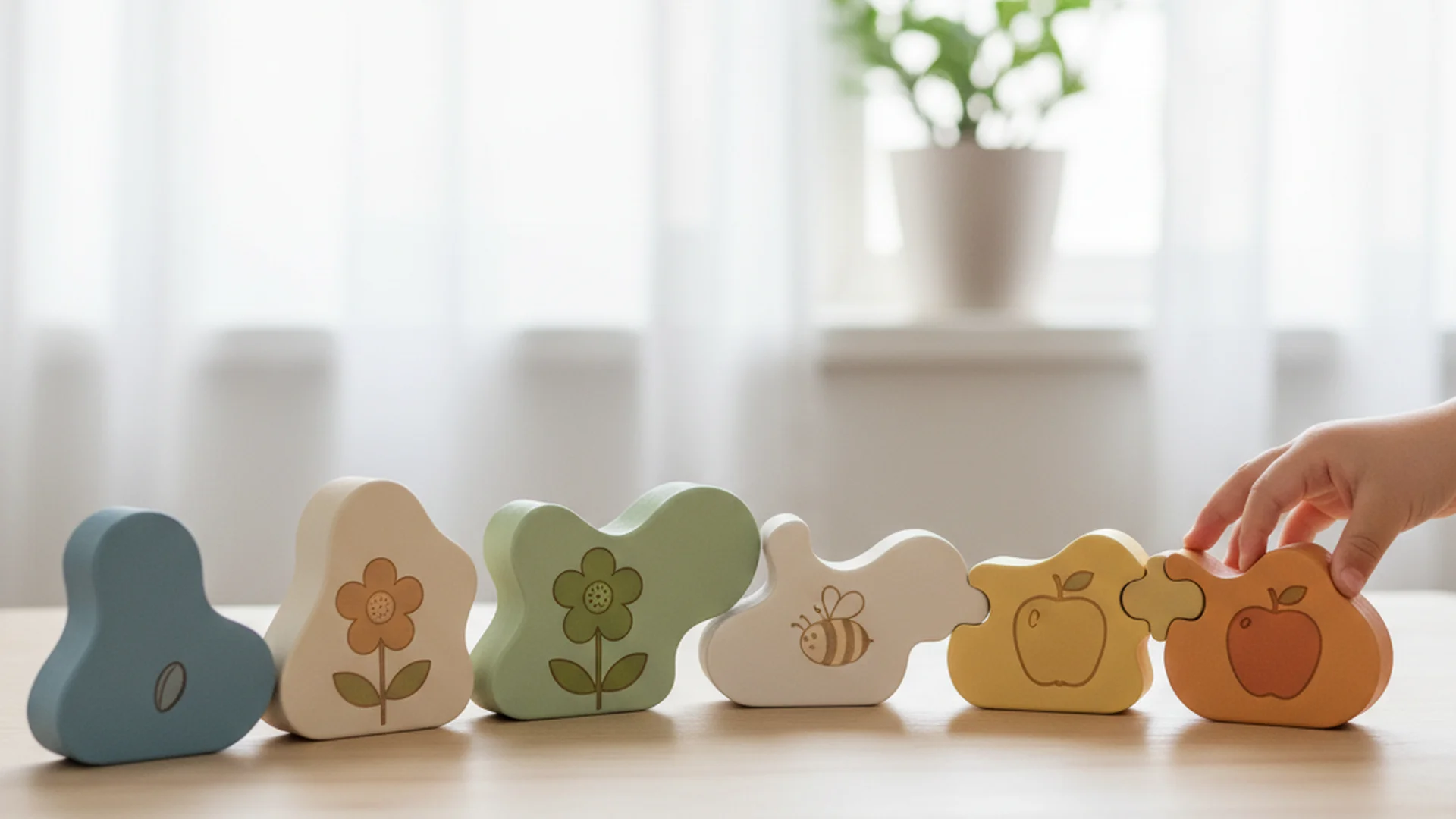
In the world of early childhood education, we often search for that "secret sauce" that bridges the gap between basic play and academic readiness. For many experts, that bridge is built with sequencing puzzles kids use to understand the flow of the world around them. At its core, sequencing—or "temporal ordering"—is the ability to organize ideas, events, and objects in a logical, chronological order. Whether it is understanding that a seed must be planted before a flower can bloom or realizing that "once upon a time" always precedes "happily ever after," the ability to recognize order is a fundamental pillar of cognitive growth.
As a strategic gameplay analyst, I often look at complex systems through the lens of order and arrangement. Just as a high-level strategy in a retro game requires a specific order of operations to achieve a "Perfect Clear," a child’s brain requires the structural logic of sequencing to navigate the complexities of language, mathematics, and social interaction.
The Science of Spatial and Cognitive Growth
The impact of sequencing puzzles goes far beyond keeping a toddler occupied on a rainy afternoon. Research published by the National Institutes of Health (NIH) highlights a fascinating correlation: early puzzle play is a significant predictor of a child’s spatial transformation skills. Children who engage regularly with puzzles between the ages of 2 and 4 develop significantly better spatial reasoning than their peers.
This isn't just about fitting pieces together; it is about "cognitive flexibility." When a child engages in the order arrangement children need to solve a puzzle, they are exercising their ability to switch between different concepts and think about multiple variables simultaneously.
The Academic Advantage
The benefits of these puzzles transfer directly into the classroom. Studies have shown that students with strong sequencing skills perform up to 12% higher on literacy achievement assessments. Why? Because reading is essentially a sequencing task. We read from left to right, we decode sounds in a specific order, and we comprehend stories by following a beginning, middle, and end.
Furthermore, the Pew Research Center notes that STEAM (Science, Technology, Engineering, Arts, and Mathematics) careers are expected to see massive growth by 2030. These fields rely heavily on sequential logic. By introducing sequencing puzzles early, you are essentially providing the "pre-coding" logic required for the high-paying jobs of the future.
An Age-by-Age Guide to Sequencing
Understanding when to introduce different levels of difficulty is key to avoiding "puzzle aversion." Development happens in stages, and matching the puzzle to the child’s current cognitive milestone is essential.
The Toddler Phase (Age 2)
At this stage, toddlers are just beginning to show basic sequencing abilities. You might notice them stringing two-word phrases together or mimicking a two-step routine, like "shoes on, then door." Simple 2-piece puzzles that show a clear cause-and-effect relationship are perfect here.
The Preschool Years (Ages 3–4)
By age 3 or 4, most children can handle 3-step visual sequences. The classic "Life Cycle" puzzle is a staple of this age group.
- Example 1: Egg → Chick → Chicken
- Example 2: Seed → Sprout → Flower
- Example 3: Morning (Sun rising) → Afternoon (Sun high) → Night (Moon)
The Kindergarten Transition (Ages 5–6)
As children move toward formal schooling, they can tackle 4- to 6-step sequences. This is the ideal time to introduce [Math Readiness Puzzles]({path: '/blog/math-readiness-puzzles'}) that involve number sequences or more complex procedural tasks, such as the steps involved in making a sandwich or getting ready for bed.
Advertisement
Different Types of Sequencing Puzzles
Not all puzzles are created equal. Depending on what skill you want to emphasize, you might choose a different format.
| Puzzle Type | Focus Area | Educational Benefit |
|---|---|---|
| Timeline Puzzles | History & Biology | Teaches the concept of time and growth cycles. |
| Procedural Puzzles | Life Skills | Improves the ability to follow multi-step daily instructions. |
| Pattern Puzzles | Math & Logic | Builds the foundation for skip-counting and algebraic thinking. |
| Narrative Puzzles | Literacy | Develops story-retelling skills and reading comprehension. |
Procedural Puzzles in Practice
One of the most effective ways to use sequencing is through procedural tasks. For example, a puzzle that shows the steps of brushing teeth (apply toothpaste, brush, rinse) helps the child internalize a real-world routine. This bridges the gap between abstract play and [Problem Solving Puzzles Kids]({path: '/blog/problem-solving-puzzles-kids'}) use in daily life.
Expert Tips for Enhancing the Learning Experience
To maximize the developmental impact of these toys, educators recommend several specific strategies.
1. Use "Signal Words"
When playing with your child, explicitly use transition words: First, Next, Then, and Last. These act as linguistic "anchors." Instead of just saying "Put the pieces together," say, "First, we find the starting piece. Next, we look for what happens after that."
2. The "Control of Error" Method
Inspired by Montessori education, many modern puzzles are "self-correcting." This means the pieces are cut in a way that they only physically fit together if the order is correct. This allows the child to learn through independent trial and error.
3. Oral Retelling
Once the puzzle is complete, the work isn't done! Ask the child to "tell the story" of the puzzle. This translates the visual [Fine Motor Skill Puzzles]({path: '/blog/fine-motor-skill-puzzles'}) work into verbal logic, which is a key component of [Preschool Puzzle Skills]({path: '/blog/preschool-puzzle-skills'}).
2025–2026 Trends in Sequencing Puzzles
The world of educational toys is evolving rapidly. As we look toward 2026, several key trends are shaping how children interact with sequential logic.
AI and Smart Puzzles
We are seeing a rise in "Smart Puzzles" that sync with tablets. These hybrids offer digital rewards or animations when a sequence is completed. While the physical manipulation remains the priority, the digital feedback loop provides high engagement for the "Alpha Generation."
Sustainability and "Heirloom Quality"
In 2025, there is a massive shift toward bamboo, recycled plastics, and wood-fiber composites. Parents are moving away from disposable cardboard in favor of durable materials that can be passed down, reflecting a broader commitment to environmental responsibility.
Pre-Coding Logic
Many sequencing sets are now marketed as "pre-coding" tools. These use directional arrows (up, down, left, right) and "if-then" logic blocks. By arranging these blocks to "guide" a character through a maze, children are learning the fundamental syntax of computer programming before they ever touch a keyboard.
3D Mechanical Sequences
Moving beyond flat cards, 2026 trends point toward 3D mechanical puzzles. In these sets, a child must assemble gears or blocks in a specific order to make a light turn on or a wheel spin. This adds a layer of [Cognitive Benefits]({path: '/cognitive-benefits'}) by incorporating physics and engineering.
Advertisement
Common Mistakes to Avoid
Even with the best intentions, parents and educators can sometimes hinder the learning process.
The "Correction Trap"
One of the most common mistakes is immediately telling a child they are "wrong." When you see a piece out of order, resist the urge to fix it. Instead, ask a guiding question: "I see the sun is out in this picture, but in the next one, the moon is up. Do you think the sun comes back after the moon?" This fosters self-correction and critical thinking.
Mismatching Difficulty
Buying a complex 10-step puzzle for a child who hasn't mastered 3 steps can lead to "puzzle aversion." If a child feels overwhelmed, they may associate logical tasks with frustration rather than fun.
Ignoring Physicality
In our digital age, it is tempting to use sequencing apps on a phone. However, physical puzzles build the [Fine Motor Skill Puzzles]({path: '/blog/fine-motor-skill-puzzles'}) and hand-eye coordination that are critical for early writing. The tactile sensation of "clicking" a piece into place creates a stronger neural connection than a screen swipe.
Frequently Asked Questions
At what age can kids start sequencing?
Toddlers as young as 2 years old begin to show basic sequencing by connecting two events or words. By age 3, they are usually ready for simple 3-step visual puzzles.
How do sequencing puzzles help with reading?
Sequencing is essential for narrative comprehension. It helps children understand the "beginning, middle, and end" structure, which allows them to predict outcomes and retell stories logically, directly impacting their reading fluency.
What are the best materials for sequencing puzzles?
While cardboard is common, 2025 trends favor sustainable materials like bamboo and wood. These are more durable and provide a better tactile experience for developing fine motor skills.
Can sequencing puzzles help with ADHD or executive function?
Yes. Sequencing requires focus, working memory, and planning—all components of executive function. Breaking tasks into "First, Next, Last" is a common therapeutic strategy for children who struggle with organization.
Conclusion
Sequencing is more than just a childhood game; it is the fundamental logic that underpins literacy, mathematics, and scientific discovery. By providing sequencing puzzles kids can manipulate and master, you are giving them the tools to decode the world. Whether it’s through a simple 3-piece life cycle or a complex 3D mechanical gear set, the act of putting things in order is an act of building a smarter, more logical future.
As we move into 2026, the integration of eco-friendly materials and pre-coding logic ensures that these classic developmental tools remain relevant in a high-tech world. Remember to focus on the process rather than the speed, use signal words to anchor their logic, and always encourage the "story" behind the sequence.
Ready to Build Skills?
Explore our collection of logic and sequence games to start your child's journey.
Put it into practice


Keep reading
Child Development
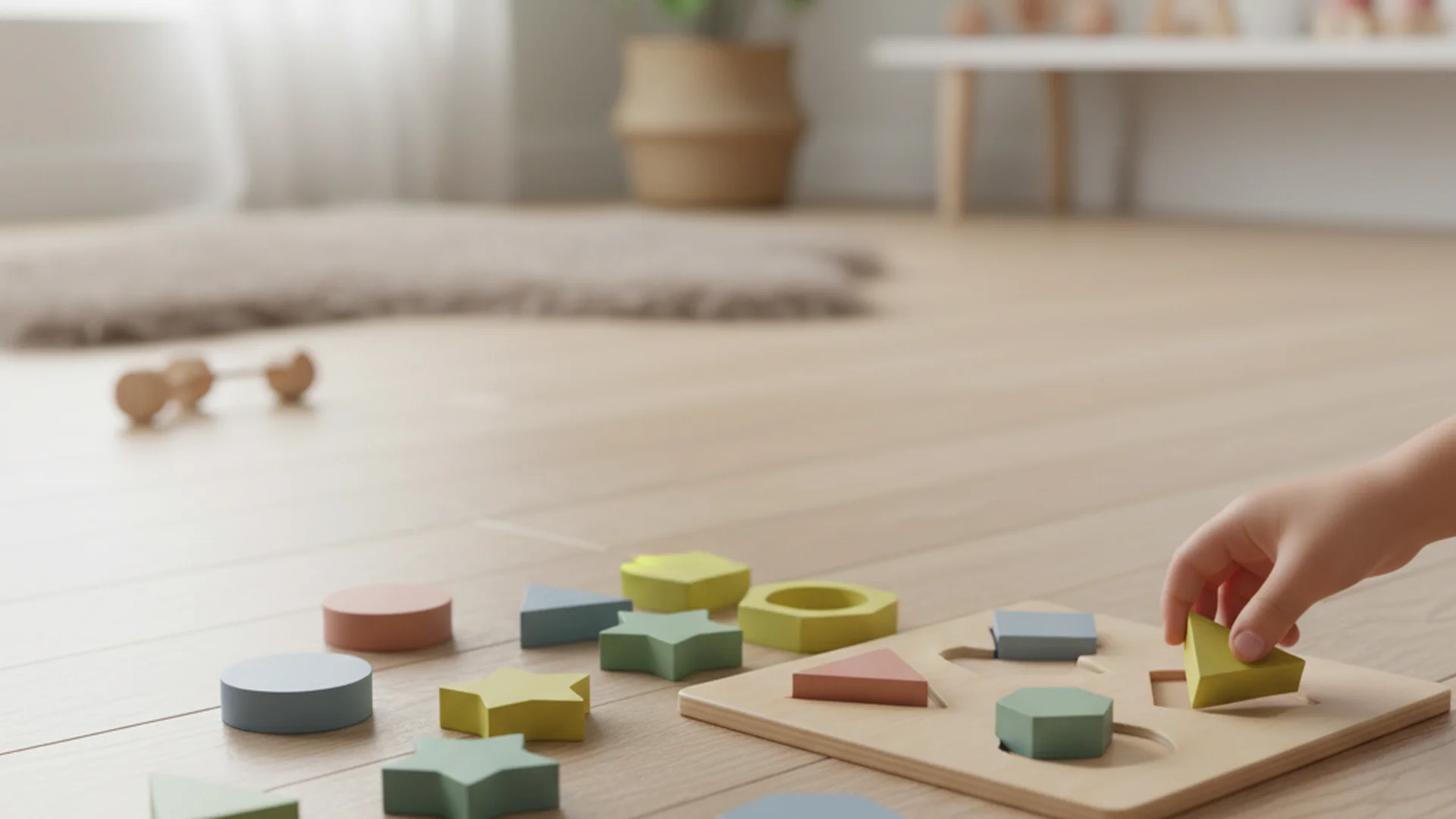
Why Shape Puzzles for Kids are the Secret to Early STEM Success
Discover why shape recognition puzzles are vital for cognitive development. Learn how geometric shapes games build STEM skills and spatial reasoning.
Jul 5, 2026 10 min
Child Development
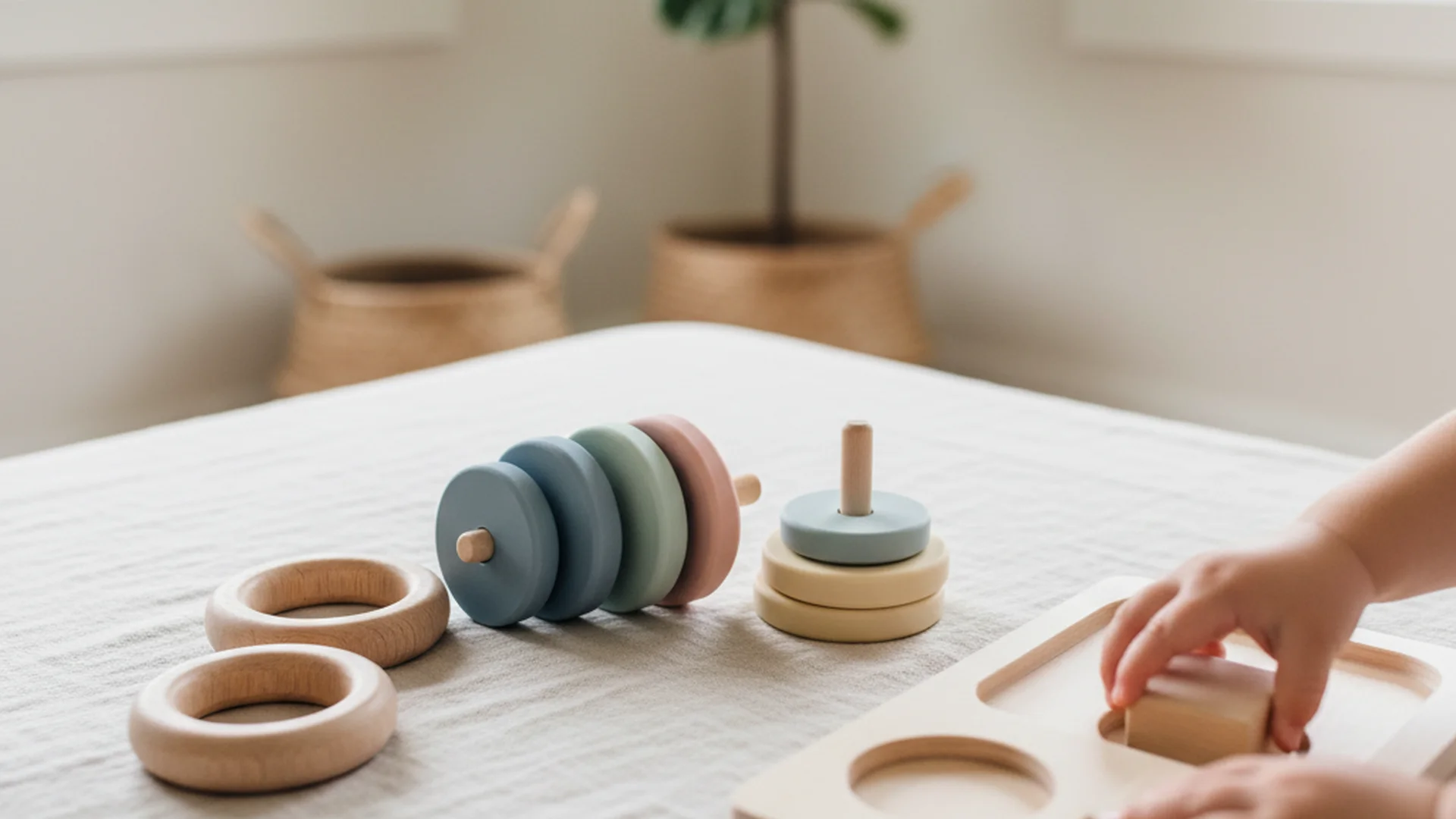
Mastering Size Sorting Puzzles: A Guide to Early Sequencing
Discover how size sorting puzzles and big small sequencing activities build essential math and literacy skills in children. Expert tips for parents and educators.
Mar 15, 2026 10 min
Child Development
The Ultimate Guide to Problem Solving Puzzles for Kids: Building Critical Thinkers
Discover how problem solving kids can master critical thinking through puzzles. Explore 2025 trends, expert strategies, and the cognitive benefits of logical play.
Feb 11, 2026 12 min
Advertisement