The Science of Play: Why Puzzles for Remote Workers are the Ultimate Brain Break
Discover how puzzles for remote workers boost productivity, reduce isolation, and sharpen cognitive focus. Expert insights on work break games.
By Free To Play Puzzles Editorial Team 12 min read
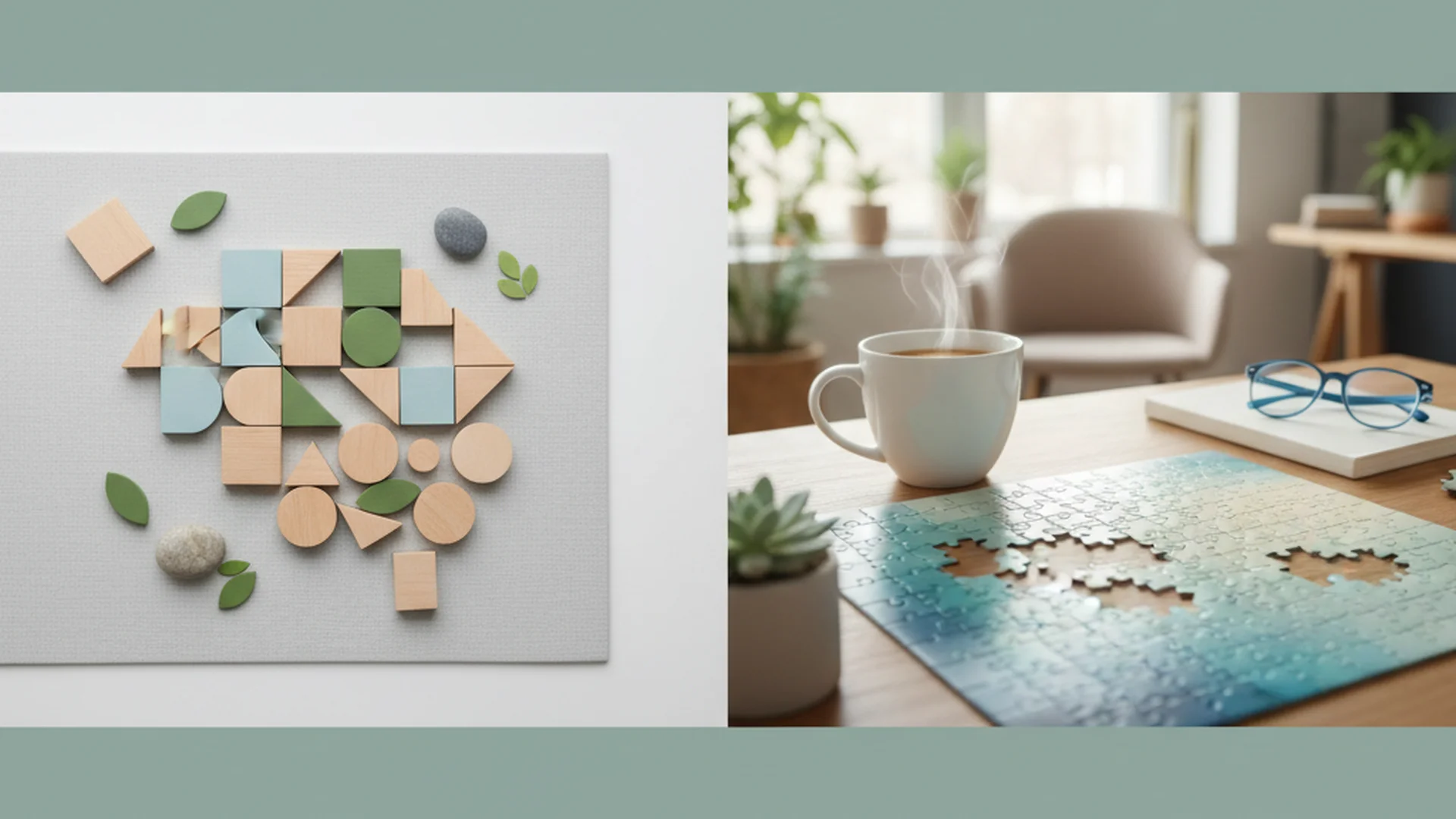
Maintaining focus under pressure is hard work for the brain. In the current 2025-2026 landscape of decentralized labor, we are witnessing a significant neurological challenge: "vigilance decrement." This is the natural decline in attention that occurs when the brain is forced to remain in a high-alert state for extended periods without varied stimulation. For the modern home-office professional, finding effective puzzles for remote workers is no longer just a way to pass the time—it is a critical intervention for maintaining mental health and cognitive sharpness.
The shift toward structured play in the workplace is backed by data. We now understand that the brain is not a marathon runner; it is a sprinter. To maintain peak performance, it requires tactical resets. Integrating work break games into your daily routine serves as a "cognitive palate cleanser," allowing the prefrontal cortex to recover from the fatigue of endless video calls and deep-focus tasks.
The Neurological Case for Remote Play
The isolation of remote work creates a unique cognitive load. Unlike an office environment where spontaneous social "micro-interactions" happen at the water cooler, remote workers must be intentional about their breaks. Without these breaks, the brain’s ability to solve complex problems diminishes.
Recent studies highlight the power of gaming in professional settings. For instance, teams that engage in video gaming activities together see a 20% increase in productivity on subsequent tasks (University of Central Florida / BYU). This isn't because the games teach specific job skills, but because they foster a state of "flow" and psychological safety that translates back into the workflow.
Individual Puzzles: The Art of the Micro-Break
The "Micro-Break Movement" is one of the most significant trends of 2025. Data suggests that even a 27-second break spent on a strategic task can boost vitality. When looking for individual puzzles for remote workers, the goal is to shift the brain from "linear/analytical" thinking to "pattern recognition" thinking.
Quick Logic and Word Resets
For a quick 2-to-5-minute reset, consider these categories:
- Logic Challenges: Engaging in Sudoku or Logic Puzzles forces the brain to use deductive reasoning, which helps reset the mind after heavy data entry or coding.
- Pattern Recognition: Games like 2048 or Sliding Puzzles are excellent for visual-spatial stimulation.
- Word Games: A quick session of Word Scramble or Crosswords can help re-engage the language centers of the brain after a long period of silent work.
The Tactical Advantage of Analog Puzzles
While digital platforms are convenient, we often recommend "mini tin" puzzles or physical cubes. These tactile experiences help reduce "screen fatigue," a leading cause of burnout in 2025. Moving your hands in 3D space provides sensory feedback that digital interfaces cannot replicate.
Advertisement
Social Puzzles: Bridging the Loneliness Gap
Gallup data shows that 25% of remote employees experience daily loneliness, compared to 16% of onsite employees. This "loneliness gap" is a primary driver of turnover. By implementing work break games that involve others, companies can create a sense of camaraderie that persists across time zones.
Collaborative Problem Solving
Structured virtual activities have a profound impact on retention. Companies that implement regular virtual engagement report a 40% decrease in turnover rates.
Examples of effective social puzzles include:
- Asynchronous Jigsaw Puzzles: Using tools like Miro or specialized digital jigsaw platforms, teams can work on a single puzzle over a week. Members contribute a few pieces whenever they have five minutes, creating a shared sense of progress.
- Virtual Escape Rooms: These require high-stakes collaboration and lateral thinking, leading to a 35% improvement in problem-solving skills across the board.
- AI-Enhanced Trivia: Many teams now use AI to generate custom trivia questions based on company history or industry niche, making the experience more relevant and engaging.
Best Practices for Remote Teams
To successfully integrate puzzles into a work environment, you must avoid making them feel like "just another task." We recommend the following framework:
| Strategy | Implementation | Benefit |
|---|---|---|
| The Opt-In Rule | Never make play mandatory. | Reduces resentment and ensures participation is genuine. |
| Rotate the Host | Let different team members lead the "break" session. | Empowers diverse personality types and increases buy-in. |
| Use Known Tools | Integrate games into Slack, Zoom, or Teams. | Minimizes friction and "app fatigue." |
| Asynchronous Options | Allow puzzles to be solved over days, not hours. | Accommodates different time zones and workflows. |
Common Mistakes to Avoid
In our effort to improve "brain health," it is easy to fall into traps that actually increase stress.
- Over-scheduling: The most common mistake is trying to do too much. A quick Daily Challenge is often more effective than a grueling 90-minute "Murder Mystery" session.
- Ignoring Introverts: Fast-paced, loud "happy hour" style games can alienate staff. Always offer "low-pressure" options like collaborative crosswords or photo-sharing prompts.
- Neglecting the Habit: Consistency is key. Like any other form of exercise, the cognitive benefits of puzzles come from regular practice. For more on this, see our guide on Daily Puzzle Habit: Building a Routine.
- The "Slacking" Misconception: Many managers still feel that remote workers are "slacking" if they see them playing a game. However, 83% of employees report higher productivity when they have flexible schedules that allow for mental resets. We must view these activities as "performance investments" rather than time-wasters.
Advertisement
Recent Trends in Remote Brain Health (2025-2026)
We are currently seeing a massive shift toward Gamified Wellness Challenges. This involves integrating "wellness puzzles" that reward points for healthy habits like hydration, step counts, or mindful breathing. By turning self-care into a puzzle or a game, the brain's dopamine reward system is triggered, making healthy habits more likely to stick.
Furthermore, Pattern Recognition Training is becoming a popular choice for developers and data scientists who want to sharpen their professional edge while taking a break.
Frequently Asked Questions
How often should remote teams play games?
Experts recommend a frequency of once a month for structured, hour-long team sessions to keep things fresh without overwhelming the schedule. However, individual "micro-break" puzzles should be encouraged daily to help manage cognitive load.
What are the best "short" games for a quick break?
For a 2-minute reset, Wordle, Sudoku, or a quick round of Minesweeper are ideal. They provide a clear beginning and end, which prevents the break from bleeding into work time.
Can digital puzzles replace physical ones?
While digital puzzles like Tangram are convenient, we recommend mixing in tactile "analog" puzzles to reduce screen fatigue. The physical movement of pieces provides a different type of neurological stimulation that is highly beneficial for spatial reasoning.
Do these activities actually count as "work"?
From a neuroscientific perspective, yes. They are classified as "recovery tasks" that reset the brain’s ability to focus on complex, high-value tasks. For a deeper look at the science, read How Puzzles Improve Memory and Focus.
How do I encourage a skeptical manager to allow puzzles?
Present the data: teams that play together see a 20% productivity boost. Explain that these are not distractions but "cognitive resets" that prevent the vigilance decrement associated with long remote shifts.
Conclusion
The future of work is not just about where we work, but how we manage our mental energy. By integrating puzzles for remote workers into our daily and weekly structures, we can combat loneliness, boost productivity, and maintain long-term brain health. Whether it's a solo session of 2048 during a coffee break or a monthly team-wide logic challenge, these moments of play are the secret to a sustainable and high-performing remote career.
Ready to Boost Your Focus?
Explore our collection of brain-sharpening games today.
Put it into practice
Keep reading
Brain Health
Brain Teasers vs Puzzles: Key Differences for Brain Health
Explore the vital differences between brain teasers vs puzzles. Discover which cognitive exercises offer the best benefits for mental longevity and focus in 2025.
Apr 17, 2026 10 min
Brain Health
The Science of Language Processing Games: How to Sharpen Your Verbal Brain
Explore the latest in language processing games and verbal brain training. Learn how neuroplasticity, AI, and VR are revolutionizing cognitive health in 2025.
Jan 26, 2026 12 min
Brain Health
Brain Health: The Complete 2026 Guide to Cognitive Wellness
Explore the definitive brain health guide for 2026. Learn about neuroplasticity, the SAFEST BRAINS protocol, and the latest research in cognitive longevity.
Sep 14, 2026 25 min
Advertisement