Brain Teasers vs Puzzles: Key Differences for Brain Health
Explore the vital differences between brain teasers vs puzzles. Discover which cognitive exercises offer the best benefits for mental longevity and focus in 2025.
By Free To Play Puzzles Editorial Team 10 min read
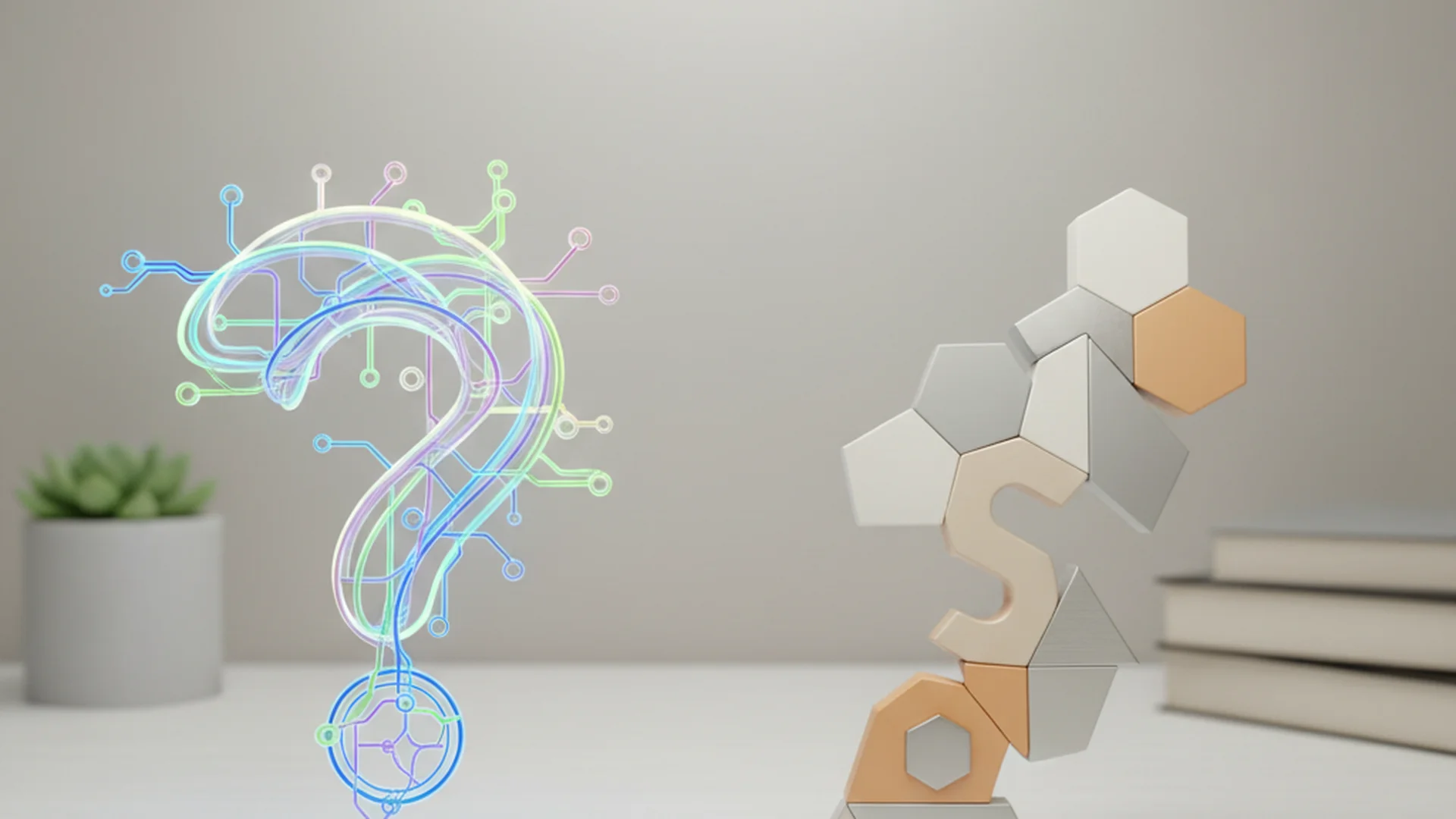
In the modern era of cognitive wellness, the debate over brain teasers vs puzzles has evolved from a simple pastime into a multibillion-dollar industry focused on mental longevity. While many use these terms interchangeably, understanding the distinction is crucial for anyone looking to optimize their Brain Training regimen. As a strategic gameplay analyst, I have watched these tools transition from physical wood and cardboard into sophisticated AI-driven digital experiences. Whether you are looking to sharpen your focus or protect your long-term cognitive health, knowing which "mental gym" to enter makes all the difference.
Defining the Difference: Brain Teasers vs Puzzles
To the casual observer, a riddle and a Sudoku grid might seem like the same thing: a challenge to be solved. However, the fundamental mechanics differ significantly.
A puzzle is the broad, overarching category. It typically involves a structured problem that can be solved through logic, trial and error, or a set of established rules. Think of a 1,000-piece jigsaw or a Sudoku grid. You know the end goal, and the path to get there is linear, even if it is difficult.
A brain teaser, on the other hand, is a specific subset of puzzles. These are designed to stimulate lateral thinking—the ability to think "outside the box." They often rely on unconventional methods or a "gotcha" moment that requires you to abandon standard logic.
| Feature | Puzzles (General) | Brain Teasers (Subset) |
|---|---|---|
| Core Method | Deductive logic & persistence | Lateral thinking & intuition |
| Common Formats | Jigsaws, Crosswords, Sudoku | Riddles, Paradoxes, Disentanglement |
| Success Criteria | Completion of a known pattern | Solving a "trick" or hidden logic |
| Brain Region | Temporal and Occipital lobes | Frontal and Parietal lobes |
The Science of Cognitive Reserve
The surge in popularity of Puzzle Benefits isn't just a trend; it's backed by significant medical research. Recent data suggests that the global games market will climb to $27.58 billion by 2026, largely driven by consumers seeking "cognitive skill enhancement."
Research from UCLA Health, involving over 20,000 participants, found that individuals who engaged in regular number-based puzzles performed at a level equivalent to people eight years younger in areas of reasoning and attention. This isn't about increasing your IQ—it's about building "cognitive reserve."
For those interested in maintaining peak performance, exploring the Best Brain Games Ranked can provide a roadmap for which exercises offer the most "bang for your buck" in terms of neurological health.
Advertisement
2025-2026 Trends: The Future of Puzzling
As we move through 2025 and into 2026, the industry is undergoing a massive transformation. We are seeing a shift away from static, one-size-fits-all challenges toward more immersive and sustainable options.
AI-Personalized Challenges
Modern apps like CogniFit and Elevate now use AI to analyze your solving speed and error patterns in real-time. If you solve a Crossword too quickly, the system detects your "flow state" and increases the complexity of the next challenge instantly. This ensures you stay in the "sweet spot" of learning—challenged but not frustrated.
"Puzz-Decor" and AR-Enhanced Jigsaws
The aesthetic of puzzling is changing. "Puzz-Decor" is a 2026 trend where 3D mechanical clocks or LED-integrated lamps serve as functional home decor once completed. Furthermore, Augmented Reality (AR) is being used to bring 2D puzzles to life. Once you finish a jigsaw, you can scan it with your phone to see hidden digital layers or animations.
Sustainability as a Standard
Consumers are moving away from plastic-coated cardboard. The "Eco-puzzle" movement is prioritizing bamboo, recycled wood, and soy-based inks. This shift reflects a broader consumer desire for products that are as good for the planet as they are for the mind.
Expert Strategies for Maximum Benefit
If you want to see real-world results from your Brain Training, you cannot simply do the same crossword every morning. We recommend three core rules:
1. The "Progressive Load" Rule
Just like physical weightlifting, you must increase the difficulty. Once an "Easy" Sudoku becomes a routine habit, your brain enters "autopilot." At this point, the cognitive benefits diminish. You must move to "Medium" or "Hard" to continue building new neural pathways.
2. Prioritize Variety
Cross-train your brain by alternating between hemispheres:
- Left Hemisphere: Language-based challenges like riddles or word ladders.
- Right Hemisphere: Spatial/Visual challenges like jigsaws or 3D models.
3. Social Puzzling
In 2025, experts are emphasizing "Social Cognition." Solving a puzzle with a partner or group provides emotional regulation and dopamine boosts that solo play lacks. It turns a solitary task into a collaborative strategic exercise.
Common Mistakes to Avoid
Even with the best intentions, many people fall into traps that limit their progress. Here are the most common pitfalls:
- The IQ Myth: Believing that brain games increase your general intelligence. They actually improve "near transfer" skills—meaning you get better at the specific task you practice, not necessarily every real-world task.
- The 10% Fallacy: Many still believe we only use a small fraction of our brain. In reality, we use 100%, and puzzles simply strengthen the connections between active regions.
- Ignoring Ergonomics: Poor lighting and posture during a long jigsaw session can lead to "tech neck." Use adjustable puzzle boards and blue-light-filtered lamps.
- Inconsistency: Like exercise, the benefits of puzzling are cumulative. 15 minutes a day is significantly better than 3 hours once a month.
Advertisement
Frequently Asked Questions
What is the actual difference between a brain teaser and a puzzle?
A puzzle is a broad category encompassing any problem-solving task (like a jigsaw or Sudoku). A brain teaser is a specific type of puzzle that requires unconventional "outside the box" thinking, such as a riddle or a mechanical disentanglement toy.
Can puzzles prevent dementia or Alzheimer’s?
While they cannot biologically prevent the onset of these diseases, research suggests they can delay the appearance of symptoms by up to 2.5 years by building a stronger cognitive reserve.
Is a riddle considered a brain teaser?
Yes, riddles are categorized as verbal or language-based brain teasers because they require lateral thinking to solve.
Are 3D puzzles better for the brain than 2D puzzles?
Both have benefits, but 3D puzzles specifically target the parietal lobes and require more complex motor planning and spatial awareness than traditional 2D jigsaws.
How often should I solve puzzles for brain health?
Experts recommend 20–30 minute daily sessions. Consistency and "progressive load" (increasing difficulty) are more important than the total time spent.
Conclusion
Understanding the nuances of brain teasers vs puzzles allows you to tailor your mental exercises to your specific goals. Whether you are engaging in Best Brain Games for Seniors to maintain acuity or using logic puzzles to sharpen your professional decision-making, the key is variety and challenge. As we look toward 2026, the integration of AI and sustainable design ensures that the world of puzzling remains as vibrant and beneficial as ever.
Ready to Start?
Challenge your mind with our curated collection of logic games.
Put it into practice
Keep reading
Brain Health
Brain Health: The Complete 2026 Guide to Cognitive Wellness
Explore the definitive brain health guide for 2026. Learn about neuroplasticity, the SAFEST BRAINS protocol, and the latest research in cognitive longevity.
Sep 14, 2026 25 min
Brain Health
Mastering the Matrix: The Future of Pattern Recognition Games and Visual Training
Explore the science of pattern recognition games and visual training. Learn expert strategies, 2025 market trends, and how to enhance your cognitive reserve.
Mar 5, 2026 12 min
Brain Health
Gaming for Mental Health: The Therapeutic Power of Puzzles
Explore how games for mental health are evolving into clinical digital therapeutics. Learn about therapeutic gaming trends, FDA clearances, and wellness stats for 2025.
Feb 2, 2026 12 min
Advertisement