Mastering the Marathon: Why Hour Long Puzzles Are the New Cognitive Gold Standard
Explore the world of hour long puzzles, from immersive digital worlds to physical jigsaws. Learn how extended brain games boost cognitive health and focus.
By Free To Play Puzzles Editorial Team 10 min read
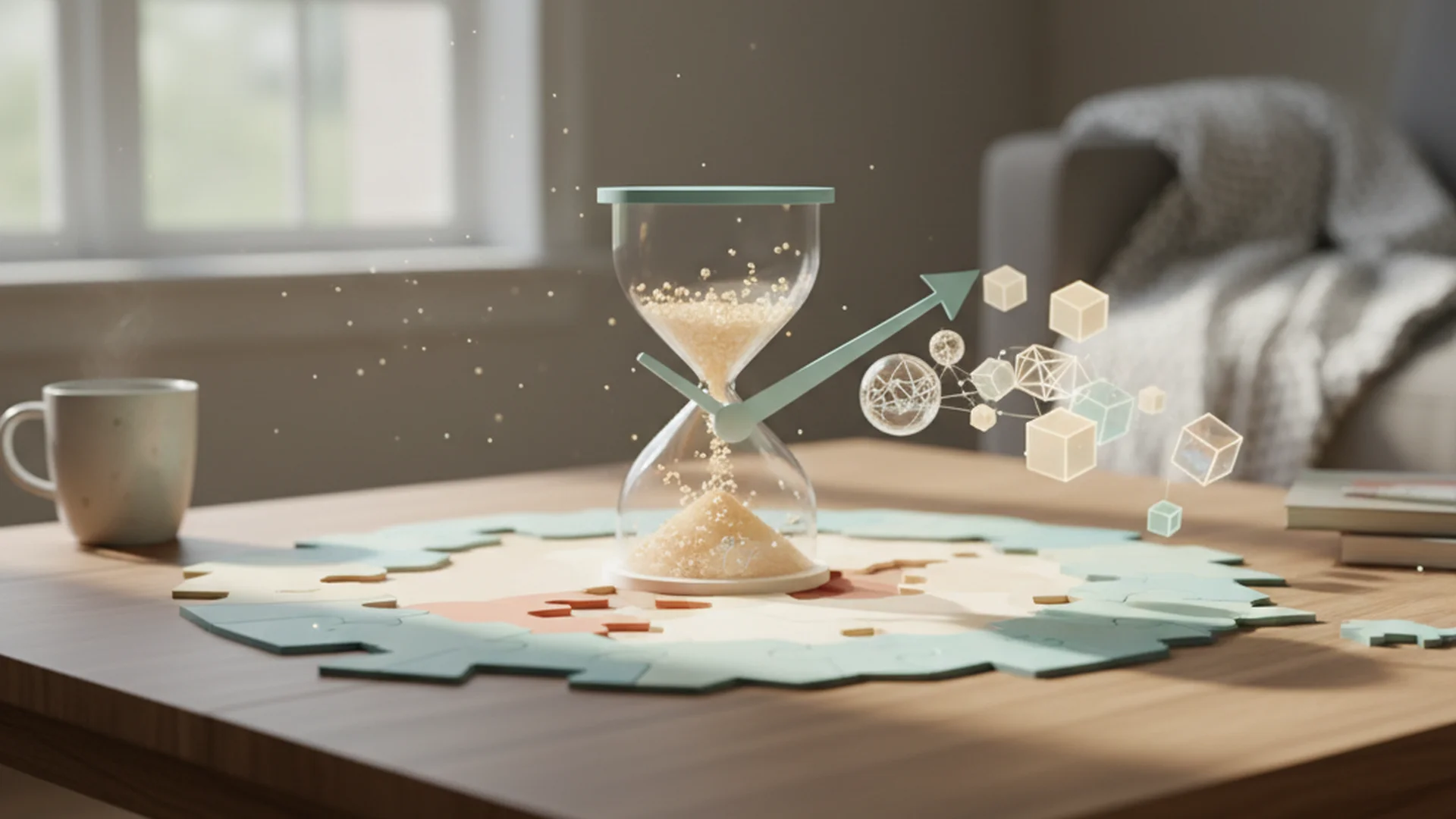
In the landscape of modern gaming, where hyper-casual mobile titles often fight for mere seconds of your attention, a quieter revolution is taking place. We are seeing a massive shift toward "slow gaming"—a movement where players trade the five-minute distraction for deep, immersive, hour long puzzles. As a retro gaming historian, I have watched the industry evolve from the frantic twitch-reflexes of 80s arcade titles to the sophisticated, narrative-driven Logic Puzzles that define the current era.
The demand for extended brain games isn’t just a niche hobby; it’s a booming industry. Whether it is a 500-piece physical jigsaw or a complex digital environment, these sessions are designed to pull the player into a "Flow State," a psychological zone where time seems to disappear and cognitive performance peaks.
The Explosive Growth of Extended Puzzle Games
The numbers behind this trend are staggering. In 2024, the global puzzle game market generated over $21 billion in revenue. By late 2025, that figure is projected to climb to $26 billion. What is most interesting to analysts like myself is the demographic shift. Contrary to the outdated stereotype of the "hardcore gamer," 75% of puzzle game players are women, with the primary audience aged 25–44.
This audience isn't just looking for a quick match-3 fix. While the average mobile session remains around 13 minutes, a new breed of "immersive puzzlers" is seeing average play sessions exceeding 60 to 90 minutes. This shift highlights a collective desire for mental depth over digital noise.
Digital vs. Physical: Finding Your Puzzle Gold Standard
When we talk about hour long puzzles, we have to distinguish between the tactile world of physical jigsaws and the infinite variety of digital platforms. Both offer unique rewards, but they engage our spatial reasoning in different ways.
Physical Jigsaw Puzzles
A standard 500-piece jigsaw puzzle is often considered the "gold standard" for a single-session offline brain game. On average, it takes between 2 to 6 hours to complete. This provides a meditative, low-tech environment that many find more relaxing than staring at a screen.
Digital Immersive Puzzlers
On platforms like Steam or high-end consoles, titles like The Witness or The Talos Principle offer complex, layered challenges. For these digital releases, players now expect a minimum of 3 to 8 hours of total content. If a standalone purchase offers less than two hours of gameplay, it often faces high refund rates, showing that the modern player values longevity.
| Puzzle Type | Avg. Session Length | Cognitive Primary Focus | Tactile Engagement |
|---|---|---|---|
| 500-Piece Jigsaw | 120 - 360 min | Spatial Reasoning | High |
| Immersive VR Puzzle | 60 - 90 min | 3D Logic / Physics | Medium |
| Narrative "Cozy" Puzzler | 45 - 75 min | Deductive Reasoning | Low |
| Digital Sudoku | 15 - 45 min | Pattern Recognition | Low |
Advertisement
Recent Trends in Long-Form Gameplay (2025–2026)
As we move through 2025 and into 2026, the definition of an "extended brain game" continues to expand. We are seeing four major trends that are changing how we play:
- Hybrid-Casual Evolution: Mobile puzzles are no longer just about clearing blocks. Games like Botany Manor integrate "narrative renovation," where solving puzzles rewards you with story progression and world-building.
- Spatial and VR Puzzles: The surge in AR/VR technology has led to "World Puzzles" such as The House of Tesla. Here, players physically move through 3D environments to manipulate complex machinery.
- AI-Adaptive Difficulty: Newer games use AI to analyze "stuck-time." If the game detects you are losing interest or getting frustrated, it subtly adjusts the hints to keep you in the flow state longer.
- The Cozy Mystery Subgenre: A major trend for 2026 is the "Cozy Puzzler," combining high-difficulty logic with low-stress aesthetics, as seen in upcoming titles like Whisper of the House.
How to Optimize Your Hour Long Puzzle Sessions
Engaging in extended brain games requires more than just mental stamina; it requires a physical and environmental setup that prevents burnout and fatigue.
The 20-20-20 Rule
During an hour-long digital session, eye strain is your biggest enemy. Experts recommend that every 20 minutes, you look at something 20 feet away for at least 20 seconds. This simple habit keeps your focus sharp and prevents the headaches often associated with marathon gaming.
Environmental Cues and Ergonomics
Don't neglect your physical space. Many players suffer from "tech neck" after hunching over a tablet for 90 minutes.
- Lighting: Use natural lighting or LED task lamps to reduce glare.
- The Puzzle Zone: Create a dedicated area for puzzling. This primes your brain for focus.
- Tilted Boards: For physical puzzles, use a tilted board to keep the work at eye level.
The Focus Sprint Method
Instead of a three-hour marathon, I recommend "focus sprints." Play for 50 minutes, then take a 10-minute movement break. This reset prevents the plateau effect, where cognitive gains diminish after the brain becomes over-saturated with a specific mechanic.
Common Mistakes to Avoid
In my analysis of gameplay strategies, I’ve noticed several recurring mistakes that players make when tackling long-form puzzles.
- Playing Only One Type: Becoming a master at Minesweeper only makes you good at that specific grid. For true cognitive health, you need a "balanced diet" of logic, word, and spatial challenges.
- Neglecting Ergonomics: As mentioned, posture is key. If you are uncomfortable, your problem-solving abilities will drop significantly.
- The "10% Brain Myth": Many play brain games thinking they are "unlocking unused parts" of their brain. In reality, complex puzzles already engage almost the entire brain; the goal is improved connectivity and efficiency.
- Forcing the Finish: If you are frustrated, stop. Research shows that "Aha!" moments often happen during the "incubation period" when you aren't actively thinking about the problem.
Advertisement
Frequently Asked Questions
Do brain games actually increase IQ?
Generally, no. Experts distinguish between "narrow transfer" (getting better at the specific puzzle) and "far transfer" (improving general intelligence). Puzzles improve specific cognitive domains like spatial reasoning or processing speed rather than increasing your overall IQ score.
How long should a "full" puzzle game be?
For digital releases on platforms like Steam, players typically expect at least 3 to 8 hours of content for a standalone purchase. Pure puzzle games that can be finished in under 2 hours often see higher refund rates because they don't provide enough value for the price.
Can you "over-train" your brain with puzzles?
Yes. There is a documented plateau effect where, after a certain point in a session, cognitive gains diminish. It is much more effective to have a focused 30 Minute Puzzle Session or an hour-long session with breaks than it is to engage in a five-hour marathon.
Are digital puzzles as effective as physical ones?
Both have merits. Digital puzzles offer instant feedback, AI-adaptive difficulty, and variety. Physical puzzles, like jigsaws, provide a tactile and meditative experience that is often better for reducing stress and improving spatial awareness without screen fatigue.
Final Thoughts on Extended Gameplay
The rise of the hour long puzzle is a testament to our enduring need for deep, focused engagement in an increasingly distracted world. By moving away from "snackable" content and toward immersive, extended brain games, we aren't just entertaining ourselves—we are building mental resilience and fostering long-term cognitive health.
Whether you are exploring a 3D VR world or sorting pieces on a wooden table, remember that the journey through the puzzle is just as important as the final solution.
Ready to Start?
Challenge your mind with our selection of deep logic games.
Put it into practice

Keep reading
Time Based
Quick Puzzles Under 5 Minutes: The Science of the Micro-Mental Reset
Discover how quick puzzles under 5 minutes can boost focus, delay dementia, and raise IQ. Expert insights on 5 minute brain games for daily cognitive health.
Jul 24, 2026 12 min
Education
Mastering Art Puzzles: Cognitive Benefits and Creative Activities
Explore the world of art puzzles. Learn how creative visual puzzles improve brain health, spatial reasoning, and mental well-being.
Mar 17, 2026 10 min
Brain Health
Brain Health: The Complete 2026 Guide to Cognitive Wellness
Explore the definitive brain health guide for 2026. Learn about neuroplasticity, the SAFEST BRAINS protocol, and the latest research in cognitive longevity.
Sep 14, 2026 25 min
Advertisement