Easter Puzzles: The Ultimate Guide to Spring-Themed Printable Games
Discover the best easter puzzles for 2025. From cognitive benefits to creative egg hunt ideas, explore how printable games enhance holiday learning and fun.
By Free To Play Puzzles Editorial Team 10 min read
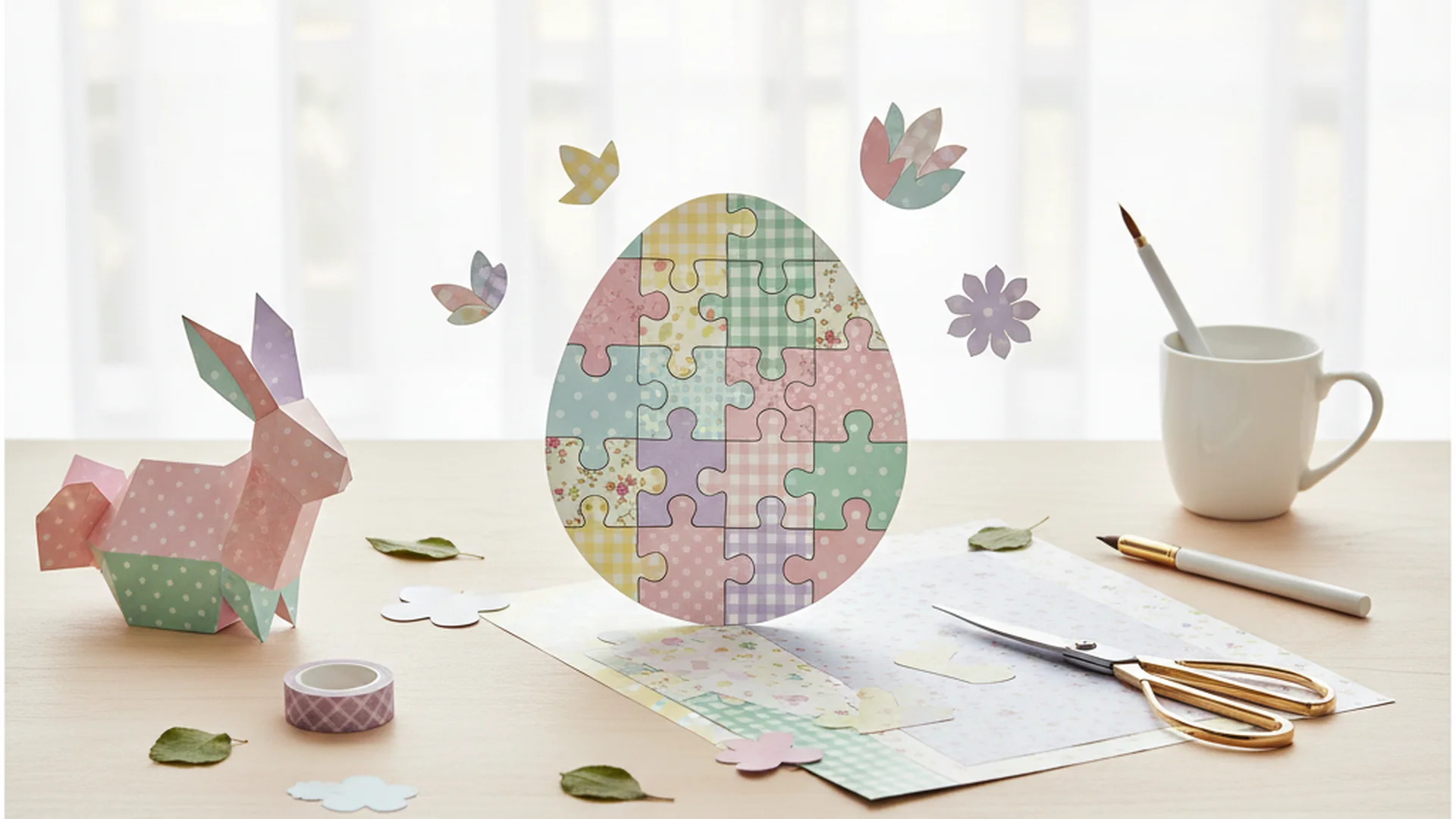
As the vibrant colors of spring begin to bloom, families and educators alike are looking for fresh ways to celebrate the season. While chocolate bunnies and marshmallow treats are traditional staples, there is a growing movement toward "brain-healthy" celebrations. Incorporating easter puzzles into your holiday routine is not just a way to keep children occupied; it is a scientifically backed method to stimulate cognitive growth and foster social connection. From an easter word search to intricate logic challenges, these activities bridge the gap between entertainment and education, making them the perfect addition to any modern Easter basket.
The Cognitive Science of Spring Puzzles
Holiday activities can also be viewed through the lens of brain plasticity and development. Puzzles are unique because they require the simultaneous use of both the left and right hemispheres of the brain. The logical left side works to solve the structural components of the puzzle, while the creative right side processes the visual imagery and colors of spring.
Research conducted in 2023 highlights a "triple win" for learners who engage with word puzzles. These activities strengthen short-term memory, expand sight-word vocabulary, and develop sustained attention. By focusing on an easter word search, a child isn't just finding hidden letters; they are improving their pattern recognition and language processing skills in a low-stress environment.
Difficulty Scaling: Choosing the Right Puzzle by Age
One of the most common mistakes parents make is choosing a puzzle that is either too simple, leading to boredom, or too difficult, leading to frustration. To maximize the Cognitive Benefits of these activities, it is essential to scale the difficulty based on the learner's baseline cognitive function rather than just their age.
Early Learners (Grades 1–3)
For younger children, the goal is to build confidence and basic literacy. An easter word search for this age group should feature fewer than 15 words. The layout should only utilize horizontal and vertical (downward) directions. Large fonts and clear, bold imagery of bunnies and eggs help maintain visual focus.
Intermediate Challengers (Grades 4–5)
By the time children reach upper elementary school, they are ready for increased complexity. You can introduce diagonal words and "backward" placements. This is also the ideal time to introduce Printable logic puzzles that require deductive reasoning to solve spring-themed mysteries.
Teens and Adults
For older participants, the focus shifts toward "Cryptographic" puzzles or 3D challenges. Experts have noted that keeping a teenager's hands busy with a tactile puzzle (such as a 3D wooden egg) often makes them more comfortable engaging in dialogue with parents. It lowers the barrier to communication by providing a shared, low-pressure focus point.
| Age Group | Recommended Puzzle Type | Key Skill Developed |
|---|---|---|
| Ages 4-7 | Simple Word Search | Sight-Word Literacy |
| Ages 8-12 | Logic Grids | Deductive Reasoning |
| Teens | Cryptograms | Pattern Recognition |
| Adults | 500+ Piece Jigsaws | Spatial Awareness |
Advertisement
Creative Easter Egg Hunts: The "Puzzle Twist"
In 2025, the trend for Easter egg hunts is moving away from purely sugar-based rewards. One of the most successful real-world examples of this is the "Puzzle Twist" method. Instead of filling every plastic egg with candy, parents are hiding individual pieces of a jigsaw puzzle inside the eggs.
How to Execute the Puzzle Twist:
- Select a high-quality Printable Sudoku or a custom jigsaw puzzle.
- Place one or two pieces in each plastic egg.
- Once the children have found all the eggs, they must work together to assemble the puzzle.
- The completed puzzle reveals a secret message or a map leading to the "Grand Prize" basket.
Trends Shaping the 2025-2026 Season
The world of easter puzzles is evolving rapidly, influenced by both technology and environmental awareness. If you are looking to stay ahead of the curve, keep these four trends in mind:
1. Digital and AR Integration
Augmented Reality (AR) is transforming traditional games. Families are now using mobile apps to find virtual eggs or solve digital riddles. This trend, heavily influenced by Cadbury’s "Worldwide Hide," allows families to participate in global puzzle-solving events using Google Maps and GPS technology.
2. Eco-Friendly "Green" Puzzles
Sustainability is no longer a niche preference. In 2026, there is a projected 66% consumer preference for products made from bamboo, recycled plastics, or FSC-certified wood. When looking for physical easter puzzles, choosing sustainable materials is both a win for the planet and a lesson in environmental stewardship for the next generation.
3. Niche "Ocean-Themed" Easter
While bunnies and chicks remain classic, a breakout trend for 2025 is the "Ocean-themed Easter." This fresh take replaces traditional garden motifs with "Oceans and Waterways," featuring puzzles centered around sea turtles, coral reefs, and blue-toned spring blooms.
4. Aesthetic Traditions
High-quality printed puzzles are now incorporating "Farmhouse Chic" and "Sage Green" palettes. These "Aesthetic" puzzles are designed to look beautiful on a coffee table, moving the activity from a messy playroom floor to a central part of the home’s spring decor.
Common Mistakes to Avoid
Even with the best intentions, puzzle time can sometimes go awry. Here are the most frequent pitfalls to avoid:
- The "General Intelligence" Myth: It is a misconception that brain games make you "smarter" overall. In reality, puzzles improve task-specific skills like word recognition or spatial rotation. They are a valuable supplement to education, but they are not a replacement for a diverse learning curriculum.
- The Plateau Effect: Spending hours on the same type of puzzle doesn't yield increasing gains. A "balanced diet" of different puzzle types—mixing Word Search with Sudoku and logic games—is much better for long-term brain health than marathon sessions of just one activity.
- Ignoring the Baseline: Don't force a child into a difficult puzzle just because of their age. If they are struggling, scale back. The goal is to reach a state of "Flow," where the challenge perfectly matches the skill level.
Advertisement
Frequently Asked Questions
What are the best types of puzzles for an Easter basket?
Jigsaw puzzles (100–500 pieces for children), 3D wooden puzzles shaped like bunnies or eggs, and high-quality printable word searches are excellent choices. They provide a sugar-free alternative that extends the holiday fun long after the candy is gone.
How can puzzles make an egg hunt more challenging for older kids?
Incorporate the "Puzzle Twist" method where individual pieces are hidden in eggs. For a more advanced version, use a "Coupon" egg hunt where tokens or puzzle clues lead to non-food prizes, encouraging strategy over speed.
Are puzzles actually educational or just 'busy work'?
Puzzles are essential tools for STEM learning. They require logical reasoning, spatial awareness, and persistence. Activities like an easter word search specifically support language processing and short-term memory.
What are common secular vs. religious Easter puzzle themes?
Secular themes typically focus on "Spring Bloom," bunnies, and garden motifs. Religious themes center on "He Is Risen," "The Empty Tomb," and "New Life." Both categories offer excellent opportunities for vocabulary building and thematic discussion.
Conclusion
As we look toward the 2025-2026 holiday seasons, the value of easter puzzles as a tool for connection and cognitive development cannot be overstated. By moving away from purely confectionery gifts and toward activities that challenge the mind, we provide children and adults alike with a more fulfilling holiday experience. Whether you are downloading a Printable Puzzles: Complete Collection for a classroom or hiding pieces in a backyard egg hunt, you are contributing to a healthier, more engaged brain.
Ready to Start?
Explore our complete library of spring-themed activities and brain games.
Put it into practice
Keep reading
Printables
Summer Puzzles: The Ultimate Guide to Vacation Word Searches & Printable Games
Discover the top summer puzzles and vacation word search trends for 2025-2026. Learn expert solving strategies, cognitive benefits, and the latest in puzzle tech.
May 18, 2025 9 min
Printables
Ultimate Printable Word Search Collection: Themed Puzzles for All Ages
Explore our expert-curated printable word search collection. From educational themes to nostalgia puzzles, find the perfect word search PDF download for your needs.
Aug 24, 2026 12 min
Printables
The Ultimate 2026 Guide to Printable Road Trip Games: Screen-Free Fun for Every Mile
Discover the best printable road trip games for 2025-2026. From scavenger hunts to travel games pdf, keep the family entertained and screen-free on your next trip.
Aug 22, 2026 12 min
Advertisement