Wooden Puzzles: Why These Classic Brain Teasers are the Ultimate 2026 Trend
Discover the resurgence of wooden puzzles and wood brain teasers. Explore market trends, expert assembly tips, and the best brands for 2025-2026.
By Free To Play Puzzles Editorial Team 10 min read
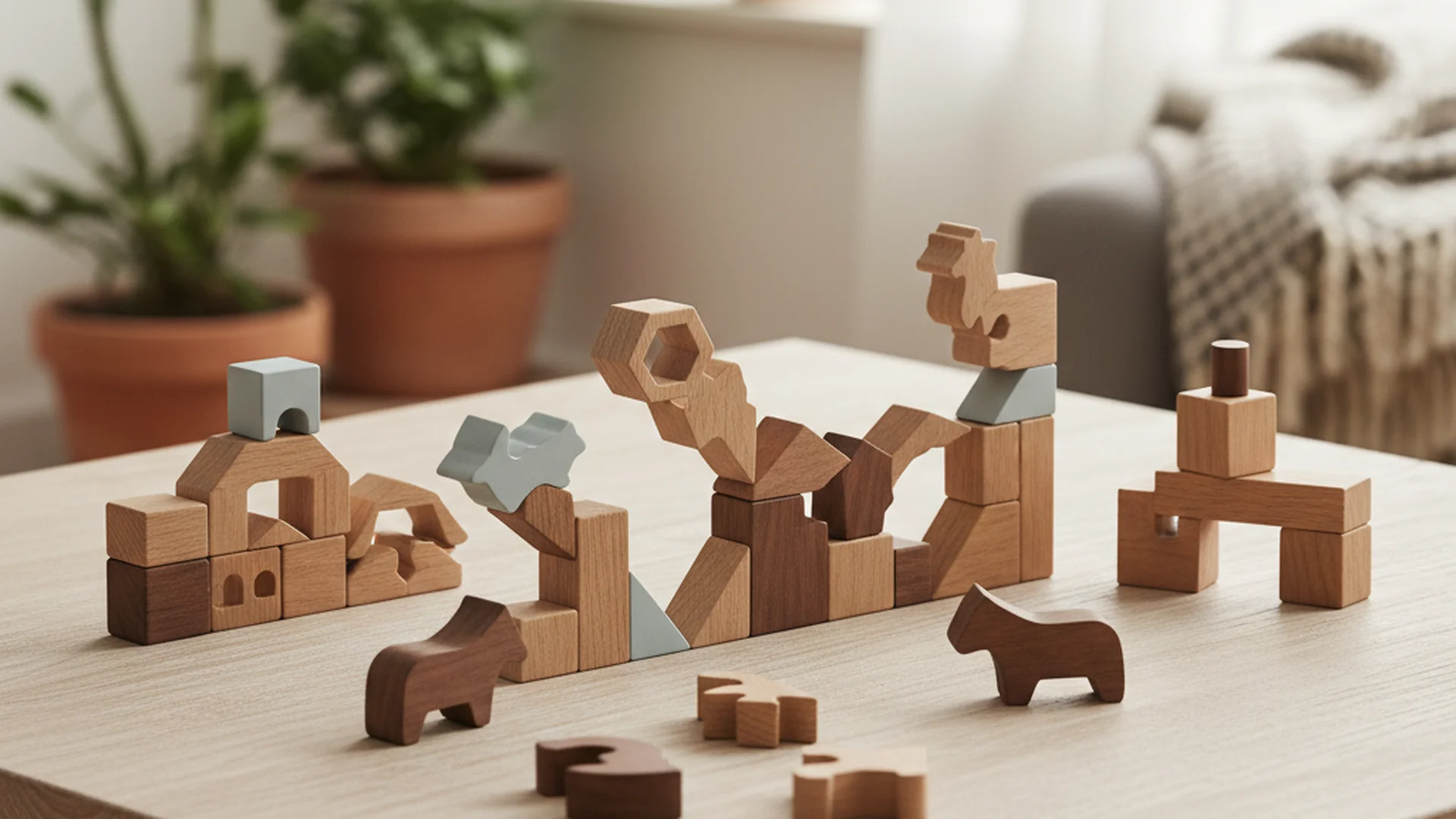
In a world increasingly dominated by flickering screens and digital notifications, the tactile, grounding experience of solving wooden puzzles has staged a massive comeback. Many solvers who spend their days in the abstract world of words and logic find real mental clarity when they step away from the grid and engage with physical wood brain teasers. Heading into 2025 and 2026, these puzzles have transitioned from niche hobbyist items into a mainstream "educational luxury" market, valued for their durability, sustainability, and aesthetic appeal.
The Modern Renaissance of Wooden Puzzles
The global shift toward mindful entertainment has fueled a surge in the popularity of wooden jigsaw puzzles. Unlike their cardboard counterparts, which are often mass-produced and prone to fraying, wooden puzzles offer a premium experience. Data suggests the market will reach $2.23 billion by the end of 2025, continuing its upward trajectory into 2026.
This growth is largely driven by adult puzzlers looking for stress relief. While North America and Europe currently hold the largest market shares, the Asia-Pacific region is the fastest-growing segment, fueled by a rising interest in Logic Puzzles and STEM-focused educational tools.
Why Wooden Puzzles Are a Different Breed of Challenge
If you are used to 1,000-piece cardboard puzzles, your first 250-piece wooden set might come as a shock. These are not your standard grid-cut challenges. Many high-end brands use "whimsies"—pieces cut into recognizable shapes like animals, landmarks, or flowers—which disrupt traditional sorting methods.
The Complexity of "Whimsies" and "False Fits"
In a standard puzzle, you usually look for "innies" and "outies." In the world of wood brain teasers, a piece might have a completely flat edge but actually belong in the middle of the board. Some designers even incorporate "false fits," where two pieces appear to lock perfectly but don't actually belong together. This is why a smaller piece count doesn't mean an easier experience.
If you are interested in exploring other high-level challenges for adults, check out our guide on Best Jigsaw Puzzles Adults.
Advertisement
3D Mechanical Models: Engineering in Your Hands
A significant subset of the wooden puzzle market is the 3D mechanical model. Brands like ROKR and Robotime have revolutionized this space, moving away from static displays to functional kinetic art.
| Feature | Cardboard Puzzles | 2D Wooden Puzzles | 3D Mechanical Models |
|---|---|---|---|
| Material | Paperboard | Plywood/MDF | Laser-cut Plywood |
| Difficulty | Low to High | High | Very High |
| Longevity | Low | High | High |
| Function | Decor | Decor/Heirloom | Kinetic Art/Clock |
Modern 3D kits are designed to be "press-fit." This means the precision of the laser cutting is so high that the pieces stay together through friction alone.
For more on these intricate builds, visit our 3D Puzzles Guide or explore our curated list of Best 3D Puzzles.
Expert Tips for Assembly and Maintenance
Because wood is a "living" material, it reacts to its environment. If you want your investment to last for generations, you must treat it differently than a paper puzzle.
Humidity and Temperature Control
Extreme dryness makes wood brittle, causing tabs to snap. High humidity, on the other hand, can cause the wood to swell, making it impossible to fit pieces together.
The Secret of Waxing
If you are building a 3D model with moving gears, the most common mistake is skipping the lubrication step. Using a simple unscented candle or beeswax on the contact points of gears ensures a smooth, silent motion once the build is complete.
Recent Trends: What's New for 2025 and 2026?
The industry isn't just growing; it's innovating. Here are the top trends we are seeing this year:
- Augmented Reality (AR) Integration: Some 2025 releases allow you to scan your completed puzzle with a smartphone to see the artwork "come to life" with animations or hidden digital narratives.
- Thematic Whimsies: Designers are now creating "story-within-a-story" cuts. For example, a puzzle of a nautical scene might have pieces that, when assembled separately, form a small 3D ship.
- Sustainable MDF: There is a major shift toward locally sourced 6mm MDF made from recycled wood shavings. This provides tighter tolerances for laser cutting and a smaller carbon footprint.
- Kinetic Sculptures: 3D models are evolving into functional household items, such as working wooden clocks, marble runs (like the Marble Night City), and light-up globes.
Advertisement
Common Mistakes to Avoid
Even experienced puzzlers can run into trouble with high-end wood sets. Avoid these pitfalls to ensure a frustration-free experience:
- Forcing the Fit: Unlike cardboard, wood does not flex. If a piece requires force, it is almost certainly in the wrong spot. Forcing it will lead to delamination or snapping.
- Skipping the Prep: For 3D models, failing to sand down the "nubs" (the tiny bits of wood left when you pop a piece out of the frame) can cause gears to jam.
- Assuming Fewer Pieces = For Kids: Don't be fooled by a 100-piece count. Boutique puzzles often feature "extra-difficult" cuts where edges are intentionally irregular to hide the border, making them strictly for adults.
Frequently Asked Questions
Why do wooden puzzles smell like they’re burnt?
This is a natural byproduct of the laser-cutting process. The laser vaporizes the wood to create precise cuts, leaving a "smoky" aroma. This scent isn't permanent and usually dissipates if you leave the pieces in a well-ventilated area for 24–48 hours.
Are wooden puzzles harder than cardboard ones?
Yes, typically. The lack of a standard grid, the inclusion of "whimsies," and the use of "false fits" make them more cognitively demanding. A 250-piece wooden puzzle is often comparable in difficulty to a 1,000-piece cardboard puzzle.
Can I paint my wooden puzzle?
You can, but proceed with caution. Experts recommend using watercolors or light acrylics. Avoid heavy coats of paint on the interlocking tabs or moving gears of 3D models, as the added thickness can prevent the pieces from fitting together or cause the mechanism to seize.
Do I need glue for 3D wooden models?
Most modern kits from major brands like ROKR, Robotime, or Ugears are engineered for a "press-fit" assembly. They do not require glue. If a piece breaks, a tiny drop of wood glue can be used for repairs, but it is not necessary for the structural integrity of the build.
Conclusion
Whether you are looking for a meditative afternoon with a 2D landscape or a weekend-long engineering project with a kinetic 3D sculpture, wooden puzzles offer a depth of engagement that digital games simply cannot match. By choosing sustainably sourced materials and following expert maintenance tips, these wood brain teasers can become cherished heirlooms that challenge the minds of your family for years to come.
Ready to Start?
Explore the most challenging brain teasers and find your next project.
Put it into practice


Keep reading
Puzzle Types
Optical Illusion Puzzles: The Science and Strategy of Visual Brain Teasers
Explore the world of optical illusion puzzles. Learn why our brains fall for visual deceptions, expert solving strategies, and the latest 2026 trends in perceptual art.
Jul 23, 2026 12 min
Puzzle Types
Math Riddles: The Ultimate Guide to Number-Based Brain Teasers
Discover the power of math riddles to boost cognitive function. Explore 2025 mathematical trends, expert solving tips, and the science of logical puzzles.
Jun 13, 2026 12 min
Puzzle Types
The Ultimate Guide to Escape Room Puzzles: From Local Rooms to Your Living Room
Explore the evolution of escape room puzzles in 2025. Learn expert strategies for solving at home escape room kits and understand the latest industry trends.
Aug 26, 2026 12 min
Advertisement