Subscription vs One Time Puzzle Apps: The 2025 Cost-Benefit Guide
Explore the neuroscientific and financial impact of puzzle app subscriptions vs. one-time purchases. Learn how to maximize brain health without overspending.
By Free To Play Puzzles Editorial Team 12 min read
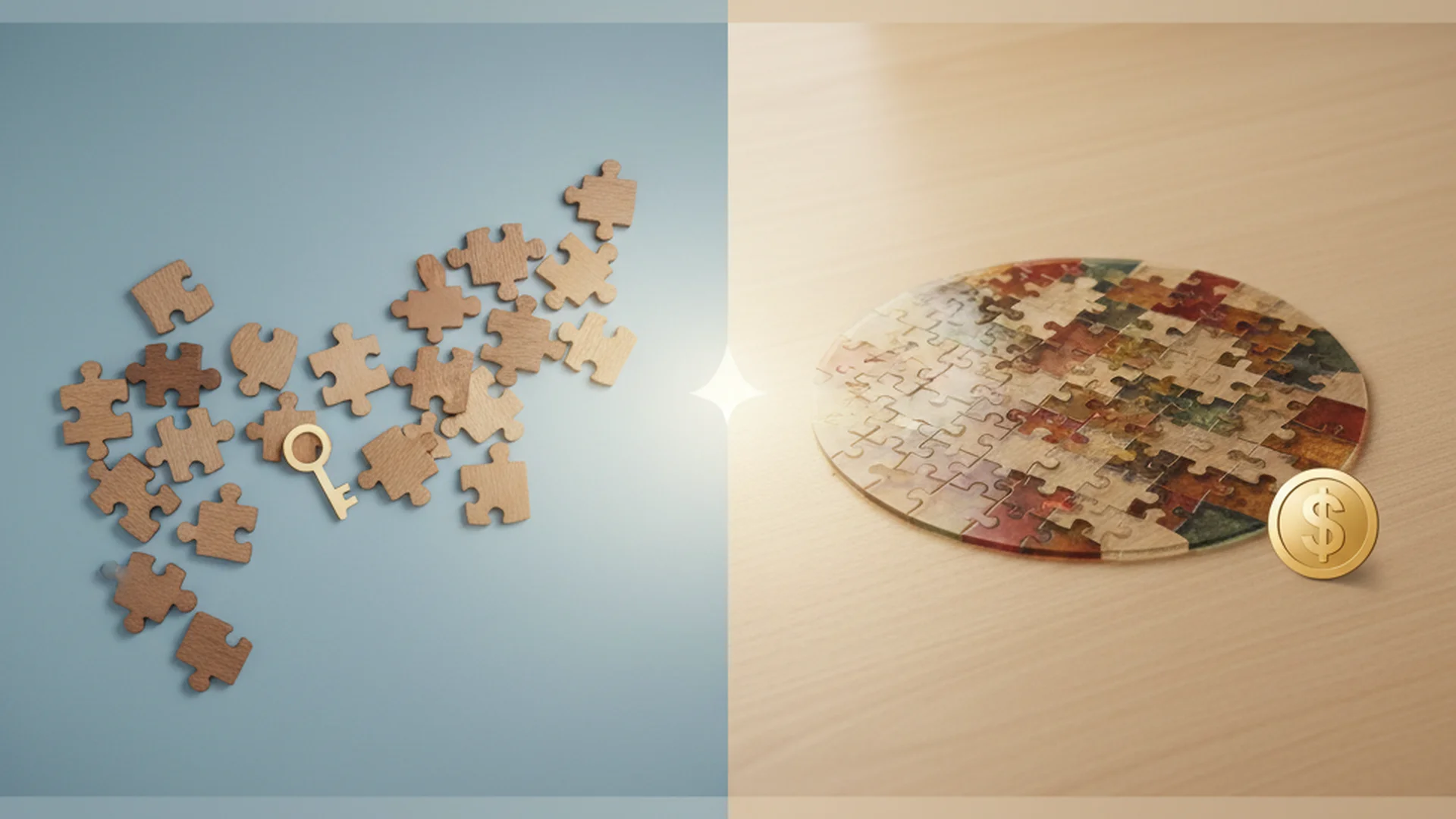
There has been a fascinating shift in how we interact with digital puzzles. What was once a simple $0.99 transaction for a Tetris-clone has evolved into a sophisticated $26 billion global industry. As we move through 2025, the primary dilemma for players is no longer which puzzle to solve, but how to pay for it. The choice between a puzzle app subscription and one time purchase brain games is more than a financial decision; it impacts your cognitive consistency, your digital ownership, and your long-term mental health.
The mobile puzzle market is projected to hit record highs this year, yet users are increasingly struggling with what we call "subscription fatigue." Is paying a monthly fee for access to a daily crossword more beneficial than buying a standalone game? Let’s dive into the data-driven reality of modern puzzle monetization.
The Landscape of Modern Puzzle Monetization
The puzzle genre remains a dominant force in the mobile world. In 2024, puzzle games generated over $21 billion in global revenue, with Match-3 titles like Candy Crush and Royal Match accounting for 65% of that total. However, the way we consume these games is shifting.
Developers are moving away from the "buy once, play forever" model in favor of recurring revenue. This isn't just a grab for cash; it is driven by the need for "Live Operations"—the continuous maintenance of servers, cloud saves, and weekly content updates that modern users expect.
The Rise of the "Brain Gym" Subscription
Apps like Elevate, Peak, and Lumosity have successfully rebranded the humble puzzle as a brain training tool. By positioning themselves as a "gym membership for the mind," they have made a $40/year price tag feel like an investment in health rather than an entertainment expense.
Subscription vs. One-Time Purchase: A Side-by-Side Comparison
To understand which model fits your lifestyle, we must look at the technical and cognitive trade-offs.
| Feature | Subscription Model (e.g., NYT Games, Elevate) | One-Time Purchase (e.g., Monument Valley, The Room) |
|---|---|---|
| Upfront Cost | Low or Free Trial | $0.99 – $6.99 |
| Long-term Cost | High ($30–$60 per year) | Zero additional costs |
| Content Updates | Daily or Weekly | Rare (or via paid DLC) |
| Ownership | Access revoked upon cancellation | Permanent "lifetime" access |
| Ad Experience | Usually Ad-Free | Ad-free (Premium) |
| Cognitive Goal | Habitual cognitive benefits | Focused, deep-play sessions |
The Case for the One-Time Purchase
For many, the appeal of a one-time purchase is the sense of completion. When you buy a game like The Room, you are buying a curated artistic experience. You own the puzzles, and you can solve them at your own pace without a ticking clock or a monthly bill.
The Case for the Subscription
From a neuroscientific perspective, the daily challenge model used by subscriptions is incredibly effective for maintaining neuroplasticity. The "streak" mechanics encourage daily engagement, which is essential for long-term cognitive health. Apps like the NYT Games collection offer massive archives that provide years of content for the price of a few lattes a month.
Advertisement
Expert Recommendations: Finding the Middle Ground
It is worth thinking about how to manage your "digital brain health" budget. The goal is to maximize mental stimulation while minimizing financial stress.
The "One-In-One-Out" Rule
To combat subscription fatigue, we recommend maintaining only one active puzzle subscription at a time. Rotate your subscriptions every few months. Spend three months on Elevate for linguistic and math focus, then switch to a jigsaw or crossword subscription for a different cognitive load. This keeps the content fresh and prevents you from paying for apps you don't open.
The 7-Day Audit
Most high-end puzzle apps offer a free trial. However, the "auto-renew trap" is a real concern.
Before starting a trial, set a calendar reminder for day six. If you haven't opened the app at least four times during the week, it is unlikely you will get your money's worth from a full subscription.
Seek "Hybrid" Value
Many developers now offer a "Remove Ads Forever" one-time payment. This is often the "Goldilocks" zone of mobile gaming. For a one-time fee of $2 to $5, you get a clean interface and infinite play without the pressure of a recurring monthly charge.
Common Mistakes to Avoid
Even seasoned gamers fall into these monetization traps. Understanding the psychology of "Free to Play" is crucial.
- The Cumulative Cost Oversight: A $4.99/month jigsaw app feels cheap. However, over two years, that is $120. In the same timeframe, you could have purchased several high-quality one time purchase brain games or even a dozen physical puzzles.
- Confusing "Free" with "Gratis": Many "free" apps use "Energy" mechanics. Once you run out of "lives," you are pressured into buying coins or watching ads. These microtransactions can easily exceed the cost of a premium subscription.
- The Ownership Misconception: Many users believe that a one-time purchase means the game will work forever. In reality, if a developer stops updating a game for new versions of iOS or Android, the app may become "broken" or unplayable. Subscriptions, while more expensive, usually guarantee technical compatibility.
The Future: AR, Spatial Puzzles, and Ethics
Looking toward 2026, we are seeing the rise of "Spatial Puzzles" on platforms like the Apple Vision Pro and Meta Quest. These apps are shifting toward 3D environments where a subscription grants you access to new "rooms" or "worlds" monthly.
Furthermore, we are seeing a trend toward "Eco-Puzzles." These are subscription models where a portion of the fee goes toward environmental causes. For the Gen Z and Millennial demographic, this "ethical gaming" model is making the transition to recurring payments more palatable.
Advertisement
Frequently Asked Questions
Is the subscription worth it if I only play one game?
It depends on the game's depth. If you play the NYT Crossword every single day, the subscription cost covers the archive and the ad-free experience, which most users find worth it. However, if the game is repetitive, you are better off finding a one-time purchase alternative.
Do I still own the game if I stop paying for the subscription?
No. In a subscription model, you are essentially "renting" the content. Once your payment stops, access to premium levels, daily archives, and special features is typically revoked immediately.
Why are there no more 'buy once' games on the App Store?
There are still many, but they are harder to find because the App Store algorithms prioritize games with high "Live Ops" activity (frequent updates). Developers prefer subscriptions because they provide a stable income to pay for ongoing server costs and technical updates required by modern smartphones.
Can I buy puzzle packs individually instead of subscribing?
Yes, many games offer a "DLC" (Down-Loadable Content) model. This allows you to buy a pack of 50 or 100 puzzles for a small one-time fee ($0.99–$1.99). This is an excellent middle ground for players who want more content but dislike recurring billing.
Are brain training subscriptions scientifically proven?
While the debate continues, the consensus in the neuroscientific community is that brain age vs brain training results vary. The most significant benefit comes from consistency and variety. If a subscription helps you stay consistent, it is cognitively valuable.
Conclusion
The choice between a puzzle app subscription and one time purchase brain games ultimately comes down to your digital habits. If you are a dedicated daily player who thrives on streaks and new challenges, a subscription like Elevate or NYT Games offers immense value and significant cognitive benefits. However, if you prefer a one-off mental challenge without the "ticking clock" of a monthly bill, the premium one-time purchase remains the gold standard for value and ownership.
By auditing your usage, rotating your subscriptions, and avoiding the "free-to-play" microtransaction trap, you can maintain a sharp mind without draining your wallet.
Want to boost your brainpower?
Discover our collection of free daily challenges and logic puzzles.
Put it into practice
Keep reading

Comparisons
NYT Games vs Other Puzzles: The 2025-2026 Ultimate Comparison
Explore the 2025 landscape of digital puzzles. A deep dive into NYT Games vs competitors, including Wordle strategies, new game releases like Pips, and expert tips.
Jun 14, 2026 12 min

Technology
The Best Offline Puzzle Apps for Airplane Mode: 2025 Travel Guide
Discover the top offline puzzle apps for your next flight. Learn how to save battery, avoid the "login trap," and keep your brain sharp without Wi-Fi.
May 24, 2026 12 min
Gift Guides
The Ultimate Guide to Puzzle Subscription Services for 2025
Discover the best puzzle subscriptions of 2025. From eco-friendly rentals to premium art collections, find your perfect monthly puzzle delivery today.
Mar 25, 2026 12 min
Advertisement