Decoding the Dopamine Loop: The Science of Puzzle Achievement Systems
Explore how puzzle achievements and brain game badges drive engagement and cognitive habits. Learn about 2025 trends, AI integration, and design best practices.
By Free To Play Puzzles Editorial Team 10 min read
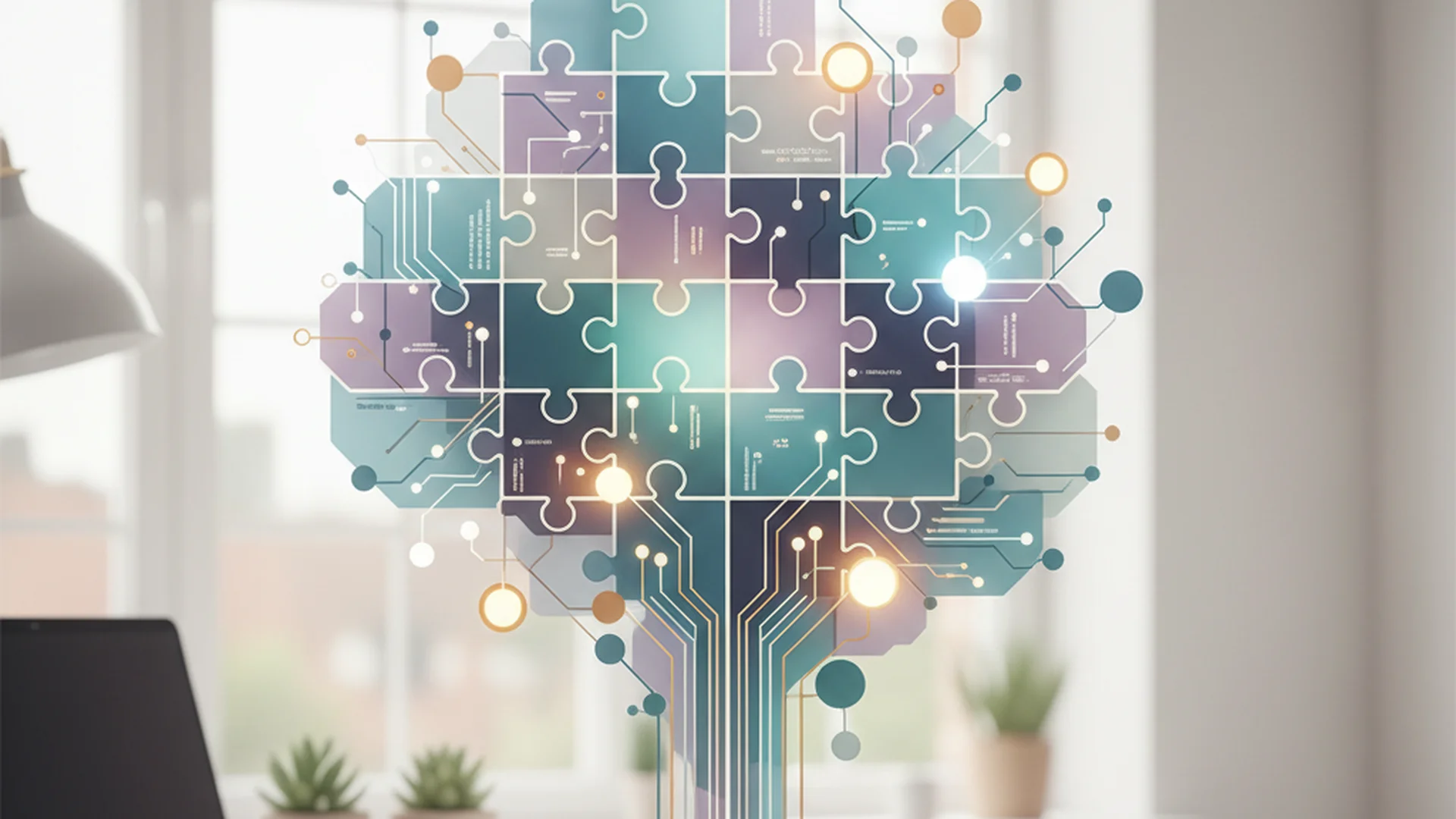
Have you ever felt a sudden surge of satisfaction after hearing a sharp "ping" or seeing a golden star pop up on your screen? In the world of cognitive training and digital entertainment, these puzzle achievements are far more than just digital vanity. Researchers have studied how these micro-rewards influence the brain's plasticity and habit-forming regions.
In 2025, the landscape of Brain Training has shifted. We are no longer just looking at high scores; we are looking at complex systems of brain game badges that tell a story of persistence, mastery, and cognitive growth. Whether you are a developer looking to increase player loyalty or a user trying to understand why you can't stop playing that Daily Challenge, understanding the mechanics behind these systems is essential.
The Psychology of the "Ding": Why Rewards Matter
At its core, an achievement system is a delivery mechanism for dopamine. When a player completes a difficult level in Sudoku or solves a complex Word Ladder, the brain seeks validation. When the game provides a badge, it closes a "loop" of tension and release.
However, the science goes deeper than just a quick chemical hit. For cognitive health, the goal isn't just one-time play—it is the formation of a daily habit. Research shows that while badges don't directly increase your IQ, they reinforce the behavior of training. In apps like Lumosity and Elevate, the achievement is the "hook" that ensures the user returns for the 100th day of training, which is where the real Cognitive Benefits are found.
The Intrinsic vs. Extrinsic Debate
One of the most fascinating aspects of reward design is the "Crowding Out" effect. This occurs when a game relies too heavily on external rewards (badges) at the expense of the internal joy of solving the puzzle.
- Intrinsic Motivation: Playing a puzzle because the logic is satisfying.
- Extrinsic Motivation: Playing a puzzle solely to unlock a "Master" badge.
The most successful systems in 2025 balance these two. They use achievements to guide the player toward deeper intrinsic enjoyment, rather than replacing it.
The Anatomy of an Elite Achievement System
What separates a mediocre reward system from one that keeps players engaged for years? Top game designers from titles like The Witness and Portal follow a specific framework known as the "VIP" rule: Valuable, Interesting, and Possible.
1. The "Design Backwards" Approach
Instead of tacking on achievements at the end of development, experts recommend starting with the "solved state." What does a master of your game look like? Once you define that, you create milestones that lead the player there. For example, in Adaptive Difficulty Puzzles, achievements should reward the transition from "Novice" to "Expert" logic.
2. Show, Don't Tell
Achievements should act as a hidden tutorial. A badge for "Solving a level using only one move" teaches the player about efficiency without a boring text prompt. This "stealth learning" is a hallmark of modern AI in Puzzle Games.
3. Visual and Social Consistency
A badge must look like it belongs in the world of the game. A logic-based game might use minimalist, geometric badges, while a narrative puzzle might use ornate, story-driven icons. Furthermore, social comparison is a massive driver. Approximately 70% of users engage more deeply when they can compare their badges with peers on Leaderboards.
| Achievement Type | Purpose | Psychological Trigger |
|---|---|---|
| Milestone | Track long-term progress | Sense of Accomplishment |
| Secret/Hidden | Encourage experimentation | Curiosity & Discovery |
| Social/Synergy | Drive community growth | Peer Validation |
| Adaptive/Effort | Prevent abandonment | Encouragement |
Advertisement
Real-World Examples of Iconic Systems
To understand how to implement these effectively, let's look at three distinct models that have defined the industry:
- The Xbox "Impossible" Badge: Platforms like Kongregate popularized high-value rewards for nearly impossible feats. These badges are rare (worth 60 points) and require flawless performance. They cater to the "achiever" player archetype who thrives on scarcity.
- The Sporcle "Curator" Badge: This system rewards community contribution rather than just play. It turns the player into a stakeholder, significantly increasing the Puzzle Benefits for the entire ecosystem.
- Lumosity's Habit Badges: These are designed specifically for brain health. By rewarding "Streaks," they focus on the consistency of the cognitive load rather than just the raw score.
Future Trends: 2025 and 2026
As we move into 2026, the technology behind these rewards is becoming increasingly sophisticated. We are moving away from static "if-then" logic toward dynamic, responsive systems.
AI-Driven Adaptive Achievements
The most significant trend is the use of Reinforcement Learning to offer "Adaptive Achievements." If the system detects a player is struggling with a Sudoku level, it might generate a custom "Persistent Player" badge. This rewards the effort rather than the win, preventing the player from quitting in frustration. You can read more about this in our guide to AI Puzzle Generation.
Narrative and Hybrid-Casual Mechanics
We are seeing a shift toward "Screw Puzzles" or "Thread Jam" styles where achievements are tied to tactile satisfaction. Furthermore, narrative quests are replacing simple points. Users report 50% higher satisfaction when a badge unlocks a new chapter in a story or a piece of lore.
Multiplayer Synergy
Co-op achievements are on the rise. In 2025, the trend is toward "Synergy Badges"—rewards earned by two players solving a puzzle together in real-time. This taps into the growing market of online multiplayer puzzle modes, making the experience less solitary and more social.
Common Mistakes to Avoid
Even with the best intentions, achievement systems can fail if they fall into these common traps:
- The "Ugly Design" Trap: If the reward looks low-quality, the achievement feels low-value. UI/UX is critical.
- Extrinsic Overdose: If you give a badge for every single click, the player becomes "numb" to the reward.
- Forced Socials: Not everyone wants to share their 2048 score on social media. Making social sharing a requirement for a badge can alienate private players.
- Static Difficulty: If badges are too easy to earn, they provide no "dopamine hit." If they are too hard, they cause frustration.
Advertisement
Frequently Asked Questions
What is the difference between a badge and an achievement?
An achievement is the "meta-goal" or the milestone itself (e.g., "Complete 10 levels without a hint"). A badge is the visual trophy or icon that represents that success in the user's profile.
Why do games have hidden or secret achievements?
Hidden achievements are designed to spark community discussion and encourage "out-of-the-box" experimentation. For example, a "White Flag" badge might be awarded for giving up a high streak, turning a negative moment into a quirky, shared community experience.
Do badges actually make you smarter in brain games?
While the digital badge itself doesn't change cognitive capacity, it reinforces the habit of daily training. Consistency is the primary driver of cognitive gains; therefore, badges act as the behavioral glue that makes the training effective over time.
How do I earn "Impossible" badges?
"Impossible" badges usually require a combination of extreme time investment, flawless mechanical skill, and often a bit of luck. They are designed for the top 0.1% of the player base to ensure there is always a "north star" to aim for.
Conclusion: Balancing Fun and Function
The evolution of puzzle achievements from simple point tallies to complex, AI-driven narrative milestones reflects our growing understanding of human motivation. These systems are vital tools for maintaining cognitive engagement across all ages—especially considering that over 75% of puzzle players are women, a demographic that often prioritizes long-term loyalty and community.
By focusing on the "VIP" principles and avoiding the pitfalls of reward-overdose, developers can create environments that are not only fun but also genuinely beneficial for brain health.
Ready to Level Up?
Put your skills to the test and start earning your badges today.
Put it into practice
Keep reading
Technology
The Future of AI Puzzle Creation: Bridging Generative Logic and Cognitive Science
Explore the evolution of AI puzzle creation in 2025. Learn about hybrid workflows, legal copyright for AI puzzles, and the shift toward agentic play-testing.
Feb 19, 2026 12 min
Technology
Puzzle Apps for Kids: Safe and Educational Options for 2025-2026
Discover the best puzzle apps for kids. Explore safe, AI-powered, and educational children brain game apps that boost logic and cognitive development.
Oct 1, 2026 12 min
Technology
Best Puzzle Apps 2025: Top-Rated Brain Games and Hidden Gems
Discover the best puzzle apps 2025 has to offer. From AI-driven brain trainers to immersive indie mysteries, explore the top-rated games for your mobile device.
Sep 30, 2026 15 min
Advertisement