The Feel of the Future: Why Haptic Puzzles are the Next Frontier
Explore how haptic puzzles and touch feedback are transforming the digital gaming landscape. Learn about LRA actuators, AI-driven haptics, and 2025 industry trends.
By Free To Play Puzzles Editorial Team 9 min read
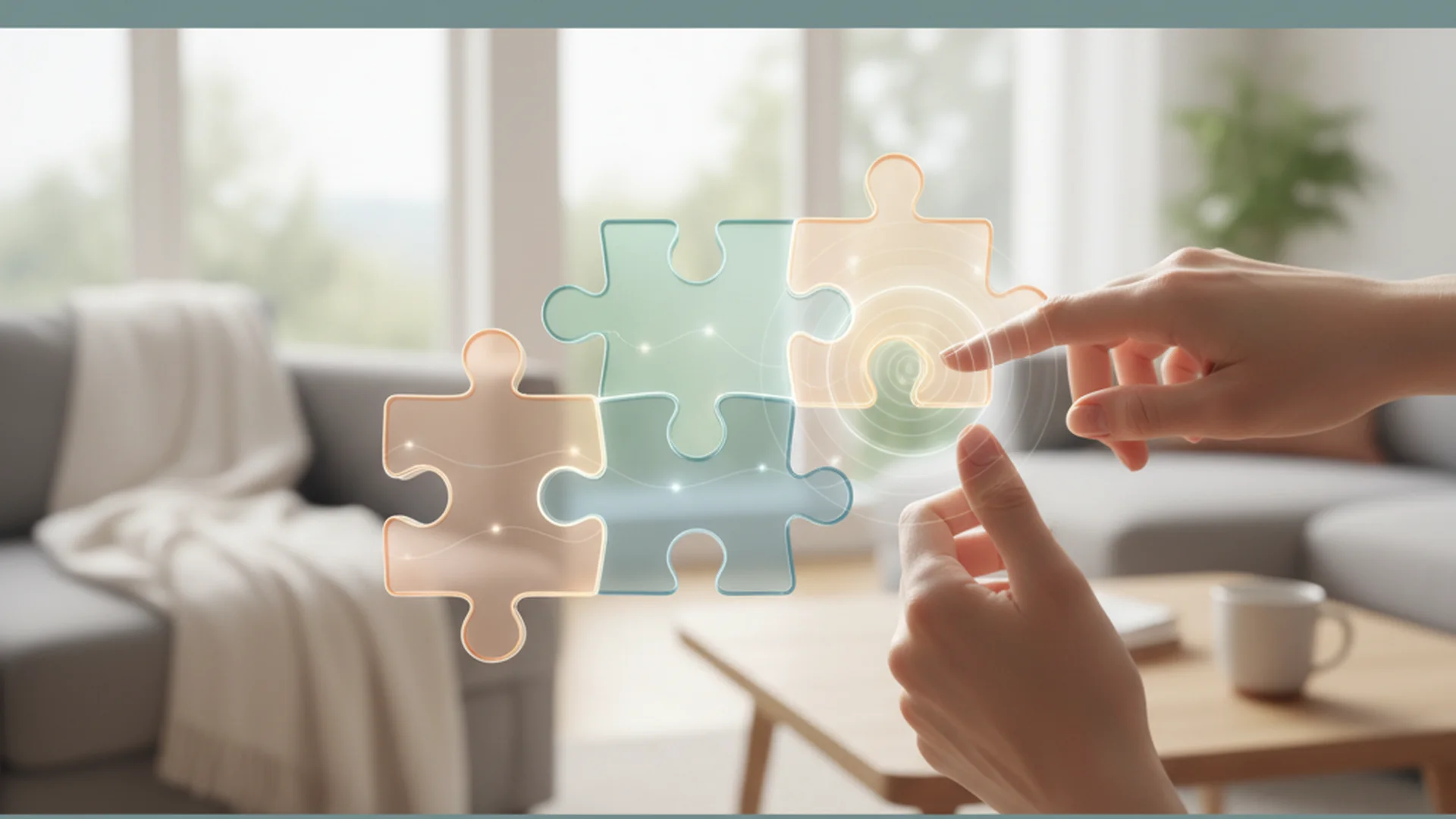
In the golden age of retro gaming, our tactile connection to a puzzle was limited to the physical click of a joystick or the plastic snap of a cartridge. As a historian of play, I’ve watched the industry move from those chunky mechanical inputs to the sterile glass of the smartphone era. However, we are currently witnessing a sensory renaissance. The rise of haptic puzzles is bridging the gap between the digital and the physical, proving that "touch" is the final frontier of the gaming experience.
Today’s touch feedback games are no longer satisfied with a generic buzz. They aim to simulate the grain of wood, the tension of a spring, and the microscopic friction of a lock tumbler. By integrating advanced haptic technology, developers are making the digital world feel "heavy," "sharp," and "textured," fundamentally changing how we solve problems in virtual spaces.
The Evolution of Touch: From "Buzz" to "Click"
To understand where we are going, we must look at how the technology has matured. For decades, vibration in gaming was handled by Eccentric Rotating Mass (ERM) motors—basically a tiny weight spinning off-balance to create a "rumble." While effective for explosions in action games, it lacked the nuance required for high-fidelity logic puzzles.
In 2025, the industry has pivoted toward Linear Resonant Actuators (LRA) and Piezoelectric actuators. Unlike the "fuzzy" vibration of the past, these modern components allow for transient pulses as short as 10 to 20 milliseconds. This precision allows a developer to simulate the specific "thud" of a heavy stone block or the delicate "tink" of a needle dropping.
| Technology | Feedback Type | Precision | Energy Efficiency |
|---|---|---|---|
| ERM (Legacy) | Generic Rumble | Low | Low |
| LRA (Current) | Crisp Pulses | Medium | High |
| Piezoelectric | Textures/High Fidelity | High | Very High |
Why We Feel Smarter When Puzzles "Feel" Real
There is a deep psychological component to haptic feedback. When you interact with a physical puzzle, your brain relies on a loop of visual, auditory, and tactile confirmation. In digital gaming, removing the tactile element often leads to "sensory dissonance"—the feeling that your actions don't have weight.
Haptic puzzles solve this by providing "confirmation haptics." When you slide a piece into place in a game of Sudoku or align a complex 3D shape, that tiny vibration acts as a multisensory hint. It tells your brain "it fits" before your eyes even process the alignment. This reduces cognitive load and increases the state of "flow" that puzzle enthusiasts crave.
Advertisement
Best Practices for 2025-2026: The "Triad of Feedback"
For developers and enthusiasts looking at the best puzzle apps 2025, there is a clear set of standards that separate a premium experience from a "cheap" one.
Co-Design for Synesthesia
Experts recommend the "Triad of Feedback." For every action, the haptic pulse must be synchronized within milliseconds of the visual animation and the audio cue. If you are playing Tetris and a line clears, the "pop" sound and the sharp haptic pulse must hit exactly when the blocks vanish. Even a 50ms delay can break the illusion of reality.
The "Less is More" Rule
One of the most common mistakes in modern game design is overusing vibration. Continuous buzzing leads to "sensory numbing" and physical hand fatigue.
Granular Control and Accessibility
Not every player perceives touch the same way. Some find haptics overwhelming due to sensory sensitivities, while others may have reduced tactile sensitivity. Providing a "Haptic Intensity" slider is no longer optional; it is a requirement for modern accessibility.
Real-World Case Studies: Haptics Done Right
Several titles have set the gold standard for how touch should be integrated into the gameplay loop:
- The Room Series: Perhaps the most famous example, this series uses the iPhone’s Taptic Engine to make you feel the resistance of old clockwork mechanisms and the friction of sliding brass plates.
- Tetris Effect: This game treats haptics as a musical instrument, vibrating in rhythm with the soundtrack and the player's movements to create a trance-like state.
- Puzzling Places (VR): On the Meta Quest 3, this game allows you to "feel" the grain of 3D-scanned artifacts as you piece them together in a virtual 3D space.
Common Mistakes to Avoid
As we transition into more complex tactile environments, developers and players should be aware of these common pitfalls:
- Ignoring the Off-Hand: In VR and console gaming, developers often provide feedback only to the dominant hand. This creates a "phantom limb" effect that breaks immersion. Both hands should receive context-appropriate feedback.
- Lack of Context: Using the same vibration for every button press is a wasted opportunity. A wooden block should feel "softer" and more dampened than a metallic latch.
- Over-Reliance on Haptics: While haptics are a great tool, they shouldn't be the only way to solve a puzzle. Always ensure there is a visual or auditory alternative for players who choose to turn vibrations off.
Advertisement
The Horizon: AI and Smart Puzzles
Looking toward 2026, we are seeing the rise of AI-Personalized Haptics. New engines can analyze how a player holds their device and adapt the vibration intensity in real-time. For a relaxed session of crosswords, the feedback might be soft and subtle. For a high-stakes, timed challenge, the haptics might become sharper and more urgent to drive engagement.
Furthermore, the "Smart Puzzle" trend is bridging the gap between digital and physical play. Products like the upcoming Lego Smart Play (2026) use NFC chips and internal haptic motors to give physical bricks a "digital pulse," allowing children and adults to interact with screen-free puzzles that still offer the rich feedback of a video game.
For more on how intelligence is shaping the way we play, see our guide on AI in Puzzle Games.
Frequently Asked Questions
Is haptic feedback in puzzles just "rumble"?
No. Traditional "rumble" is a generic, heavy vibration. Modern haptic feedback uses precise waveforms to simulate specific physical sensations, like the "clink" of a lock or the surface friction of a sliding stone.
Does haptic feedback drain the battery?
While older vibration motors were power-hungry, new piezoelectric and LRA actuators used in modern smartphones and controllers are significantly more energy-efficient. However, keeping haptics at "maximum intensity" continuously can still have a minor impact on battery life.
Is haptic feedback considered "cheating"?
In the puzzle genre, it is generally viewed as a multisensory hint system. It can alert players to hidden mechanisms or provide a "warm/cold" proximity cue. It enhances the experience rather than bypassing the challenge.
Which devices support the best haptic puzzles?
Currently, the PS5 (DualSense controller), iPhone (Taptic Engine), and Meta Quest 3/Pro are the industry leaders. These devices offer the highest level of tactile fidelity and allow for the most nuanced feedback.
Conclusion
The future of puzzles is not just something we see or hear—it’s something we feel. As we move further into 2025, the integration of haptic technology will continue to blur the lines between the digital and the tangible. Whether it's the subtle click of a solved logic puzzle or the complex 3D textures of a VR masterpiece, touch is making our brain games more immersive, accessible, and satisfying than ever before.
Ready to Feel the Challenge?
Explore our collection of tactile-friendly logic puzzles today.
Put it into practice
Keep reading
Technology
The Future of Blockchain Puzzles: Earning While Solving in 2025
Explore the 2025-2026 landscape of blockchain puzzles. Learn about play-and-earn rewards, the "Telegram Era" of gaming, and how Web3 technology ensures fair play.
Jun 15, 2026 10 min
Technology
Mastering Fire Tablet Puzzles: The Ultimate Guide to Brain Games in 2025
Discover the best fire tablet puzzles and amazon fire brain games. Learn about cognitive benefits, hardware optimization, and the top-rated apps for 2025.
Oct 14, 2026 12 min
Technology
The Ultimate Guide to Free Online Puzzles (No Download Required)
Explore the world of online puzzles no download needed. Learn about 2025 trends, expert solving strategies, and how to play safely in your browser.
Apr 25, 2026 12 min
Advertisement