Arcade Game Emulators: Legal Ways to Play the Classics
Explore the 2026 landscape of arcade game emulators. Learn about legal ROM acquisition, high-end hardware, and the cognitive benefits of retro gaming.
By Free To Play Puzzles Editorial Team 12 min read
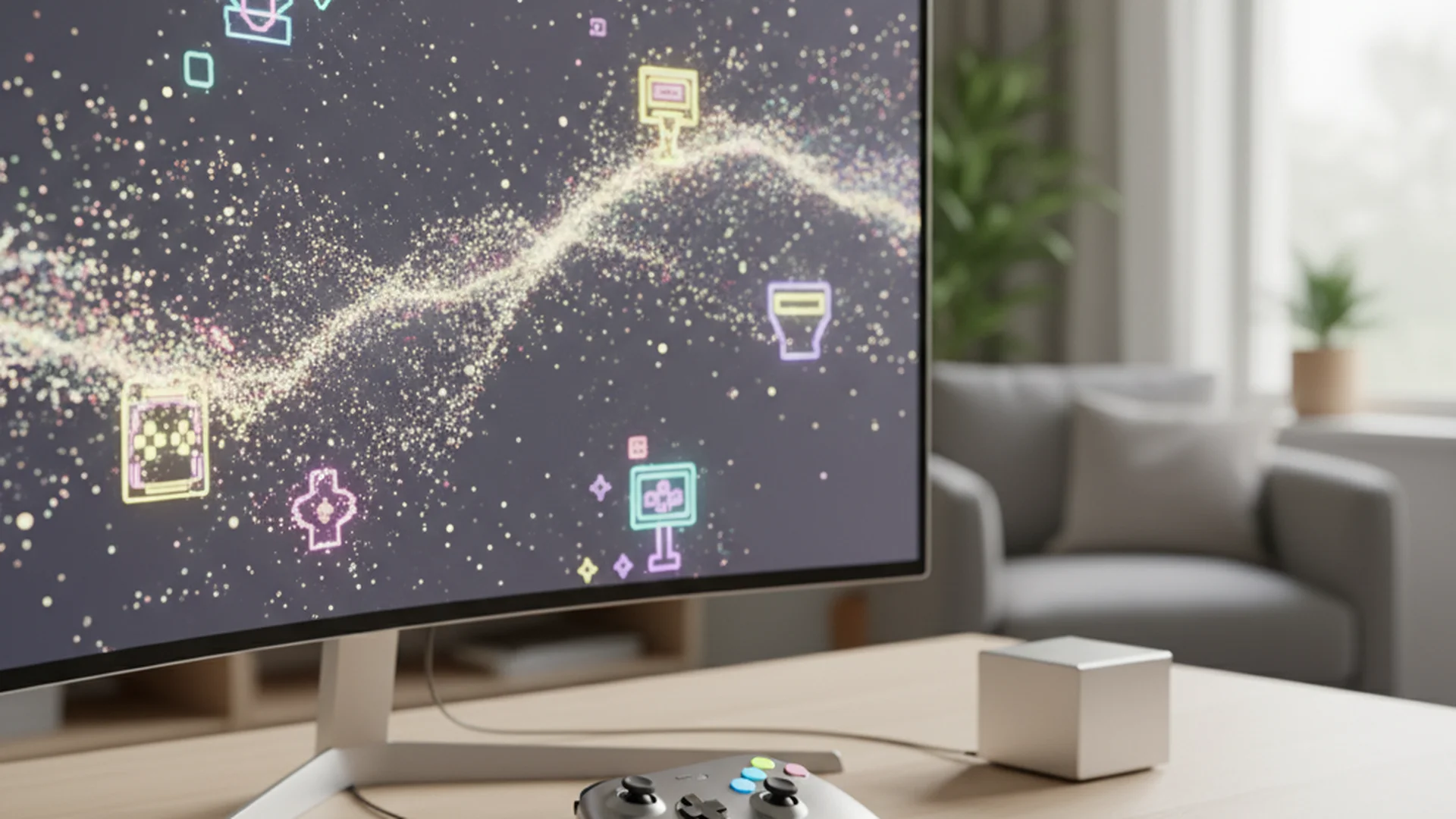
The intersection of nostalgia and neural plasticity is a fascinating one. When we revisit the pixelated worlds of our youth, we aren't just playing games; we are engaging in a form of temporal cognitive reinforcement. In 2026, arcade emulators have evolved from niche hobbyist projects into a multi-billion-dollar industry that bridges the gap between digital preservation and modern performance. Whether you are looking to relive the twitch-reflex challenges of the 80s or explore the complex 3D systems of the late 90s, understanding the modern emulation landscape is essential for a high-fidelity, legal experience.
The State of Arcade Emulation in 2026
The retro gaming market has seen explosive growth, reaching a projected value of $4.18 billion by 2026. This 10% annual growth rate vastly outpaces the standard console market, driven largely by a generation of gamers seeking to preserve their digital heritage. At the heart of this movement is the Multiple Arcade Machine Emulator (MAME).
As of the v0.284 release on December 31, 2025, MAME has achieved a monumental milestone: documenting over 32,000 systems. From the earliest vector-based cabinets to sophisticated late-90s hardware, the project serves as a digital museum. However, for the average user, the focus remains on the 10,000+ "working" titles that offer 1:1 gameplay accuracy.
Why Retro Gaming is Booming
The surge in popularity isn't just about nostalgia. From a brain health perspective, arcade games—with their high-intensity, short-loop feedback—are excellent for maintaining hand-eye coordination and rapid decision-making skills. North America currently leads this market with 38% of global revenue, followed by Europe at 29%. This regional demand has spurred a massive influx of specialized hardware designed specifically for arcade emulators.
Legal Arcade Games: Navigating the Copyright Landscape
One of the most frequent questions people ask is: "Is emulation legal?" The answer is a nuanced yes, but the path to staying within the law requires diligence. The software (the emulator itself) is legal in most jurisdictions, provided it was created through "clean-room" reverse engineering. The challenge lies in the games, or ROMs.
Official Collections and Licensing
In 2026, the best way to enjoy legal arcade games is through official digital storefronts and curated collections. Companies like Capcom, SNK, and Namco have realized the value of their back catalogs, offering "Arcade Stadiums" that include high-quality, legally licensed ROMs.
- Capcom Arcade Stadium: Provides a suite of classics with built-in rewind and save-state features.
- SNK 40th Anniversary Collection: A gold standard for historical context and arcade-perfect ports.
- Atari 50: An interactive timeline that includes many arcade originals.
The "Abandonware" Misconception
Many believe that if a developer no longer exists, the game is "free." In reality, copyrights are typically sold to holding companies or inherited by larger corporations. Using Asteroids: Complete Guide or other classics requires checking who currently holds the license. Always prioritize purchasing official releases to support the ongoing preservation of these titles.
Advertisement
Hardware Standards for 2026
To achieve a "flawless" experience, the hardware you choose is paramount. We have moved far beyond the days of laggy software on underpowered laptops.
Mini PCs and FPGA Systems
For a dedicated home setup, experts now recommend Mini PCs like the Beelink SER series. These devices are powerful enough to handle 3D arcade systems from the Sega Model 3 or Namco System 12 eras.
However, for the purist, FPGA (Field Programmable Gate Array) systems like the MiSTer Pi are the current gold standard. Unlike software emulation, FPGA recreates the actual hardware circuitry at a logic level, resulting in zero lag and near-perfect accuracy.
| Hardware Type | Best For | Accuracy Level | Cost |
|---|---|---|---|
| FPGA (MiSTer) | 2D Classics | Maximum (1:1) | High |
| Mini PC | 3D Systems | High (Software) | Medium |
| Handheld (OLED) | Portability | Medium/High | Low/Medium |
| Flagship Phone | Casual Play | Medium | N/A (Owned) |
The OLED Handheld Revolution
Manufacturers like Anbernic have shipped over 1.25 million units, and the 2025/2026 models have introduced OLED screens to the masses. For arcade games like Galaga or Pac-Man, which feature deep black backgrounds, OLED provides an infinite contrast ratio that mimics the look of a high-end CRT monitor.
Software Configuration and Expert Recommendations
Simply installing an emulator isn't enough. To replicate the "quarter-munching" intensity of the Arcade Games floor, you must configure your software for low latency and visual fidelity.
Minimizing Input Lag
In the arcade era, games were designed for instantaneous response. Modern digital displays often introduce lag.
- Run-Ahead: This revolutionary feature calculates future frames in advance, removing internal game lag. Setting this to 1 or 2 frames can make an emulated game feel even more responsive than the original cabinet.
- Hard GPU Sync: This setting ensures the CPU and GPU stay perfectly aligned, preventing "stutter" in high-speed games.
Achieving Visual Authenticity
Classic 2D pixel art was designed to be viewed on CRT (Cathode Ray Tube) monitors. On a modern 4K screen, raw pixels look harsh and jagged.
- CRT Shaders: Use shaders like "Lemuroid" or "Mega Bezel." These simulate scanlines, phosphor glow, and the slight curvature of a glass screen.
- Integer Scaling: Always enable this to ensure pixels are scaled by whole numbers. This prevents "pixel shimmering," where some pixels look larger than others during movement.
- Bezels: Instead of stretching a 4:3 game to a 16:9 widescreen (which distorts the art), use "Bezels"—digital artwork that fills the black sidebars with original cabinet art.
Advanced Trends: AI and VR in 2026
The emulation scene is currently being transformed by two major technological shifts: AI integration and Virtual Reality.
AI-Enhanced Up-scaling
New emulator cores in 2026 are utilizing real-time AI-driven texture up-scaling. This technology takes low-resolution 3D textures from the 90s and uses neural networks to "re-imagine" them in high definition. The result is a game that looks like a modern HD remaster without the need for manual modding.
VR Arcade Cabinets
For those who miss the atmosphere of the arcade, VR is the solution. Using devices like the Meta Quest 3S, players can step into "Virtual Arcades." These are 3D-rendered environments where you can walk up to a cabinet, hear the ambient noise of other machines, and play your arcade emulators on a virtual screen with spatial audio. It is the ultimate form of digital time travel.
Rollback Netcode and Fightcade
Competitive play has been revolutionized by platforms like Fightcade. By integrating "Rollback Netcode," players can play high-stakes matches in games like Street Fighter II across continents with zero perceived lag. This predictive networking makes online arcade gaming feel like a local couch session.
Advertisement
Common Mistakes to Avoid
Even seasoned gamers fall into traps when setting up their digital arcades. Avoiding these common pitfalls will ensure your experience is both high-quality and respectful of the original craft.
- Stretching to 16:9: This is the most common "rookie" mistake. It distorts the aspect ratio, making characters look wide and messing up the hitbox logic. Always stick to the original 4:3 ratio.
- Overusing Save States: While convenient, "save-scumming" through a difficult boss ruins the intended design. Arcade games were meant to be mastered through repetition. For more on this, see our Breakout Game Strategy Guide.
- Ignoring Input Hardware: Playing a fighting game or a classic like Asteroids Game Strategies on a standard gamepad often feels "off." Invest in an arcade stick with Sanwa microswitches for the authentic tactile feedback your brain expects.
- Assuming All ROMs are Equal: Different versions of a ROM (World vs. Japan vs. US) often have different difficulty settings or bug fixes. Always research which "revision" is considered the definitive version for competitive play.
Frequently Asked Questions
Is emulation legal?
Yes, the emulator software itself is legal. However, downloading copyrighted ROMs (the game files) from the internet is generally a violation of copyright law. The legal way to play is by using official collections or "dumping" ROMs from hardware you physically own.
Can I run arcade games on my phone?
Absolutely. 2026 flagship mobile processors are incredibly powerful—often exceeding the performance of a PS4. They can easily run almost any classic arcade system. For the best experience, use a clip-on controller to avoid frustrating touch-screen lag.
What is the difference between a ROM and an emulator?
An emulator is the software "console" (like a virtual arcade machine). A ROM is the "cartridge" or digital data of the game itself. You need both to play.
Do I need a high-end PC for arcade emulators?
For 2D games like Pac-Man or Best Tetris Versions, a basic laptop is sufficient. For 3D systems from the late 90s, a mid-range PC with a modern GPU is recommended to maintain a steady 60 frames per second.
What is "Run-Ahead"?
Run-Ahead is a feature in modern emulators that removes the frames of lag inherent in a game's code. By calculating the next frame before it appears, it makes the game feel more responsive than it did on original hardware.
Conclusion
The world of arcade emulators in 2026 offers an unprecedented opportunity to preserve and enjoy the history of interactive entertainment. By choosing the right hardware, configuring your software for authenticity, and sticking to legal arcade games, you can create a gaming experience that is both technically superior and ethically sound.
From a neuroscientific perspective, these games offer more than just a trip down memory lane. They provide a high-fidelity environment for cognitive sharpening, requiring the same focus and precision today as they did forty years ago. As technology continues to evolve with AI and VR, the line between the past and the present continues to blur, ensuring that the "Golden Age" of gaming never truly ends.
Ready to Start?
Build your ultimate legal arcade collection today.
Put it into practice



Keep reading
Arcade Games
Classic Arcade Games Online: The Ultimate 2026 Guide to Retro Gaming
Discover how to play classic arcade games online in 2026. Explore the $4 billion retro market, legal play options, and modern tech like FPGA and WebAssembly.
Oct 12, 2026 12 min

Arcade Games
The Neuroscience of Play: Unlocking Arcade Games Brain Benefits
Discover how arcade games boost neuroplasticity, improve impulse control, and can even reverse brain aging by up to 4 years according to 2025 research.
Sep 12, 2026 12 min

Arcade Games
The Centipede Strategy: Mastering Game Theory, Arcade Tactics, and Business Resilience
Explore the multifaceted centipede strategy across game theory, arcade gaming, and business management. Learn tips for high scores and strategic decision-making.
Sep 4, 2026 12 min
Advertisement