30-Day Brain Training Challenge: Transform Your Mind
Take our 30-day brain training challenge to boost memory, focus, and cognitive health. Discover science-backed puzzles and habits to sharpen your mind in 2025.
By Free To Play Puzzles Editorial Team 12 min read
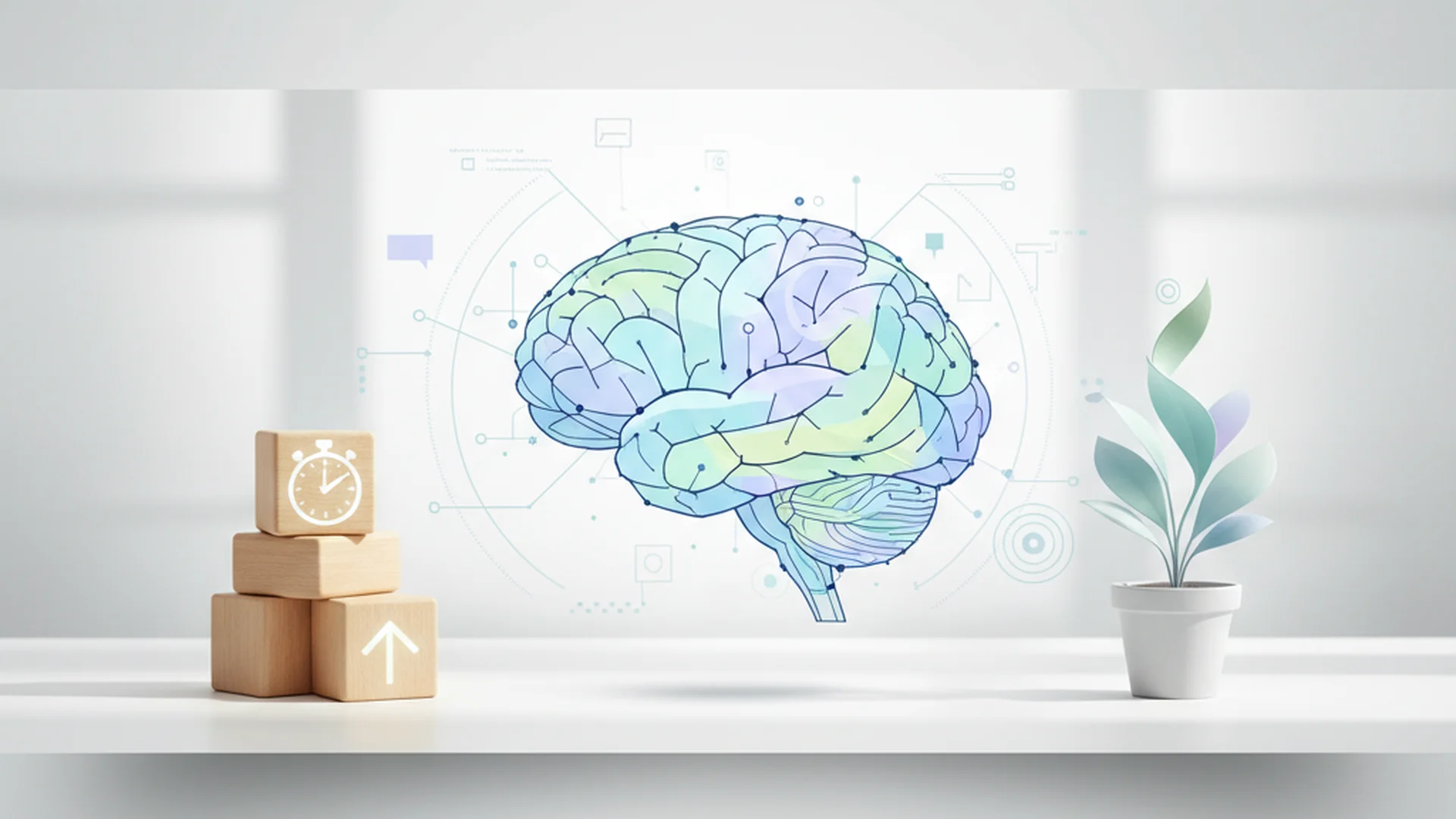
Have you ever walked into a room and completely forgotten why you were there? Or perhaps you’ve found yourself staring at a screen, unable to focus on a simple task that usually takes minutes? In our hyper-connected, fast-paced world, mental fatigue is more than a nuisance—it’s a signal that our cognitive systems need a reset. Anyone who spends time exploring the limits of logic and language comes to the same conclusion: your mind is the most adaptable tool you own. This is why I am thrilled to introduce you to the brain training challenge, a structured 30-day journey designed to sharpen your focus, improve your memory, and build long-term cognitive reserve.
This isn't just about playing a few games on your phone. To see real results, we need to dive into the science of neuroplasticity and habit formation. By the end of this month, you won't just be better at puzzles; you'll be building a more efficient neural network.
The Science Behind the Brain Training Challenge
The brain training market is exploding, with recent data from Kings Research (2025) projecting it will grow from $4.52 billion to over $25.20 billion by 2031. This growth isn't just hype—it’s fueled by a new understanding of how our brains age. For years, we believed that the adult brain was "fixed." We now know that through the right stimuli, we can encourage neuroplasticity, the brain's ability to reorganize itself by forming new neural connections.
A landmark 2025 study in the Journal of Medical Internet Research found that adults who engaged in just 30 minutes of cognitive games daily showed a slower decline in acetylcholine levels. This neurotransmitter is the "workhorse" of the brain, crucial for maintaining attention and encoding new memories.
Understanding the "Near Transfer" Effect
When you start a 30 day puzzle challenge, you might notice that you get exceptionally good at the specific game you are playing. This is known as "near transfer." While scientists at the Stanford Center on Longevity still debate "far transfer" (the idea that playing Sudoku makes you better at doing your taxes), the consensus is that the mental effort itself builds "cognitive reserve." This reserve acts as a buffer against age-related decline.
Digital vs. Traditional: Which Is Better?
A common question from fans of crosswords is whether digital apps are superior to old-fashioned pen and paper. The answer is nuanced.
Traditional puzzles like Sudoku or Nonograms often require more complex, multi-step reasoning. Research published in Psychological Science in the Public Interest suggests that these traditional methods provide more sustained cognitive benefits because they lack the "hand-holding" features found in many modern apps.
However, 2025 digital tools offer something paper cannot: AI-driven personalization. Modern apps like NeuroTracker now use real-time biometrics to adapt the difficulty based on your stress levels. For the best results in your brain training challenge, we recommend a "Hybrid Approach"—blending the tactile depth of traditional logic puzzles with the high-speed processing demands of digital games.
Advertisement
Your 30-Day Brain Training Schedule
To make this challenge effective, we’ve structured it into four distinct weekly focuses. This prevents the "plateau effect" where the brain stops working hard because it has mastered the routine.
| Week | Focus Area | Recommended Activity |
|---|---|---|
| Week 1 | Foundational Focus | 10 mins Mindfulness + 15 mins Logic Puzzles |
| Week 2 | Memory & Recall | Memory Match + Daily "New Route" to work |
| Week 3 | Processing Speed | Fast-paced games (e.g., Snake or 2048) |
| Week 4 | Complex Reasoning | Expert Sudoku or Word Ladder + Learning a new skill |
Week 1: Building the Foundation
In the first week, we focus on attention. Most of our "memory" problems are actually attention problems—we didn't forget where the keys are; we just weren't paying attention when we put them down. Use this week to practice mindfulness and tackle basic word logic games.
Week 2: Strengthening Memory
Memory is a "use it or lose it" faculty. During week 2, challenge yourself by taking different routes to the grocery store or memorizing a short shopping list instead of writing it down. This "real-world" training complements your digital memory games.
Week 3: Increasing Processing Speed
How quickly can your brain react? Week 3 is about speed. Games that require quick decision-making under pressure are excellent for sharpening neural pathways. If you want to see how you stack up, you can look at our Best Brain Games Ranked to find high-speed options.
Week 4: Deep Reasoning
The final week is about "Progressive Overload." This is the time to tackle the hardest puzzles you can find. If you’re a crossword fan, try a cryptic version. If you love numbers, go for an "Expert" Sudoku.
The "Golden Quadrant" of Cognitive Health
While the brain training challenge is the centerpiece of your month, experts from the Center for BrainHealth emphasize that puzzles alone aren't enough. To maximize neuroplasticity, you must address the "Golden Quadrant."
1. Physical Exercise
Physical activity boosts Brain-Derived Neurotrophic Factor (BDNF), a protein that acts like fertilizer for your brain cells. Even a 20-minute brisk walk can significantly increase blood flow to the hippocampus, the brain's memory center.
2. Social Interaction
Navigating a complex conversation is one of the most taxing things a human brain can do. Don't do this challenge in isolation! Join a local puzzle club or engage in a friendly Connect Four tournament with friends.
3. Nutrition (The MIND Diet)
Focus on anti-inflammatory foods. Berries, leafy greens, and fatty fish provide the building blocks your brain needs to repair and grow new connections.
4. Novelty
The brain thrives on the new. If you always play Minesweeper, try Tangrams. If you’re a master of Word Search, switch to Math Puzzles. Novelty forces the brain out of its "Default Mode Network" and into active learning.
2025-2026 Trends in Brain Training
As we move through 2025, the landscape of mental health is shifting toward "Brain Wellness." Here are three trends currently shaping how we train:
- Wearable Integration: Many participants in the brain training challenge are now using smart rings to track Heart Rate Variability (HRV). Training when your HRV is high ensures you are in a state of "optimal focus" rather than "stress-induced panic."
- Micro-Adventures: This involves "strategic disconnection." Taking a 15-minute walk without a phone to observe architectural details or nature resets mental clarity and improves what neuroscientists call "background processing."
- AI-Personalized Difficulty: New versions of classic games now adjust in real-time. If the AI detects you are solving a Word Scramble too quickly, it will immediately increase the complexity of the next set.
Advertisement
Common Mistakes to Avoid
Even with the best intentions, many people fail their 30 day puzzle challenge because of a few common pitfalls.
The "Five-Minute" Trap
Marketing often claims that five minutes a day will change your life. However, clinical studies suggest that meaningful change typically requires sessions of 20 minutes or more. A five-minute session is better than nothing, but it’s the "warm-up," not the full workout.
Ignoring Sleep
Sleep is where "short-term memories are rebuilt into long-term memories." If you are sleep-deprived, the neural connections you worked so hard to build during your training won't solidify.
The "Muscle" Myth
The brain is not a muscle; it’s a complex network of electrical and chemical signals. You aren't "bulking it up." Instead, you are making the communication between different regions—like the prefrontal cortex and the temporal lobe—more efficient.
Frequently Asked Questions
Do brain games actually work?
Yes, but with specific caveats. They are excellent at improving "processing speed" and "fluid intelligence," which is your ability to solve new problems. However, they are not a magic bullet for overall IQ. Think of them as a way to keep your mental gears "well-oiled."
Can a 30-day challenge prevent dementia?
No app or puzzle can prevent dementia, which is a complex biological disease. However, staying mentally active builds "cognitive reserve." According to the Sydney Memory and Ageing Study, people with high cognitive reserve can often delay the onset of symptoms for years because their brains find "workarounds" for damaged areas.
What is the best time of day to train?
Most research suggests the morning is best, as your brain is refreshed from sleep. However, some people find that "micro-adventures" during lunch breaks are optimal for breaking up the workday fog. The most important factor is consistency, regardless of the clock.
Are paid apps better than free puzzles?
Not necessarily. While paid apps offer slick interfaces and tracking, a variety of challenges is what matters most. Mixing free games like Hangman or Snake with traditional reading and social interaction is often more effective than relying on a single subscription service. For more on this, see our Brain Game Reviews Hub.
How do I know if I'm improving?
Look for "real-world" indicators. Are you finishing your work tasks faster? Do you find it easier to remember names at a party? In the context of games, you can track your progress on our Leaderboards to see how your scores evolve over the 30 days.
Conclusion: Start Your Journey Today
The brain training challenge is more than just a quest for a high score; it’s an investment in your future self. By dedicating just 30 minutes a day to diverse mental activities, you are fostering a brain that is more resilient, focused, and capable of handling the complexities of modern life. Whether you are a student looking to improve focus, a professional seeking a mental edge, or a senior aiming to stay sharp, the path to a better brain starts with a single puzzle.
If you're wondering when the right time to start is, the research is clear: it's never too early or too late. You can read more about this in our article on the Best Age for Brain Training.
Ready to Start?
Begin your mental transformation today with our daily puzzles.
Put it into practice
Keep reading
Brain Health
Brain Training Myths Debunked: What Really Works for Your Mind in 2025?
Explore the science behind brain training myths. Learn why most apps fail at far transfer and discover the 2025 trends that actually improve cognitive health.
Aug 20, 2026 12 min
Brain Health
Brain Games for Problem Solving: Sharpen Your Critical Thinking in 2025
Unlock your cognitive potential with the best brain games for problem solving. Explore science-backed strategies, trends for 2025, and expert tips to boost logic.
Sep 4, 2026 12 min
Brain Health
Brain Teasers vs Puzzles: Key Differences for Brain Health
Explore the vital differences between brain teasers vs puzzles. Discover which cognitive exercises offer the best benefits for mental longevity and focus in 2025.
Apr 17, 2026 10 min
Advertisement