Brain Training in Your Prime: The Best Puzzles for 30s in 2025
Explore the best puzzles for 30s to boost IQ, reduce stress, and improve focus. Discover expert recommendations and 2025-2026 trends for adult brain games.
By Free To Play Puzzles Editorial Team 10 min read
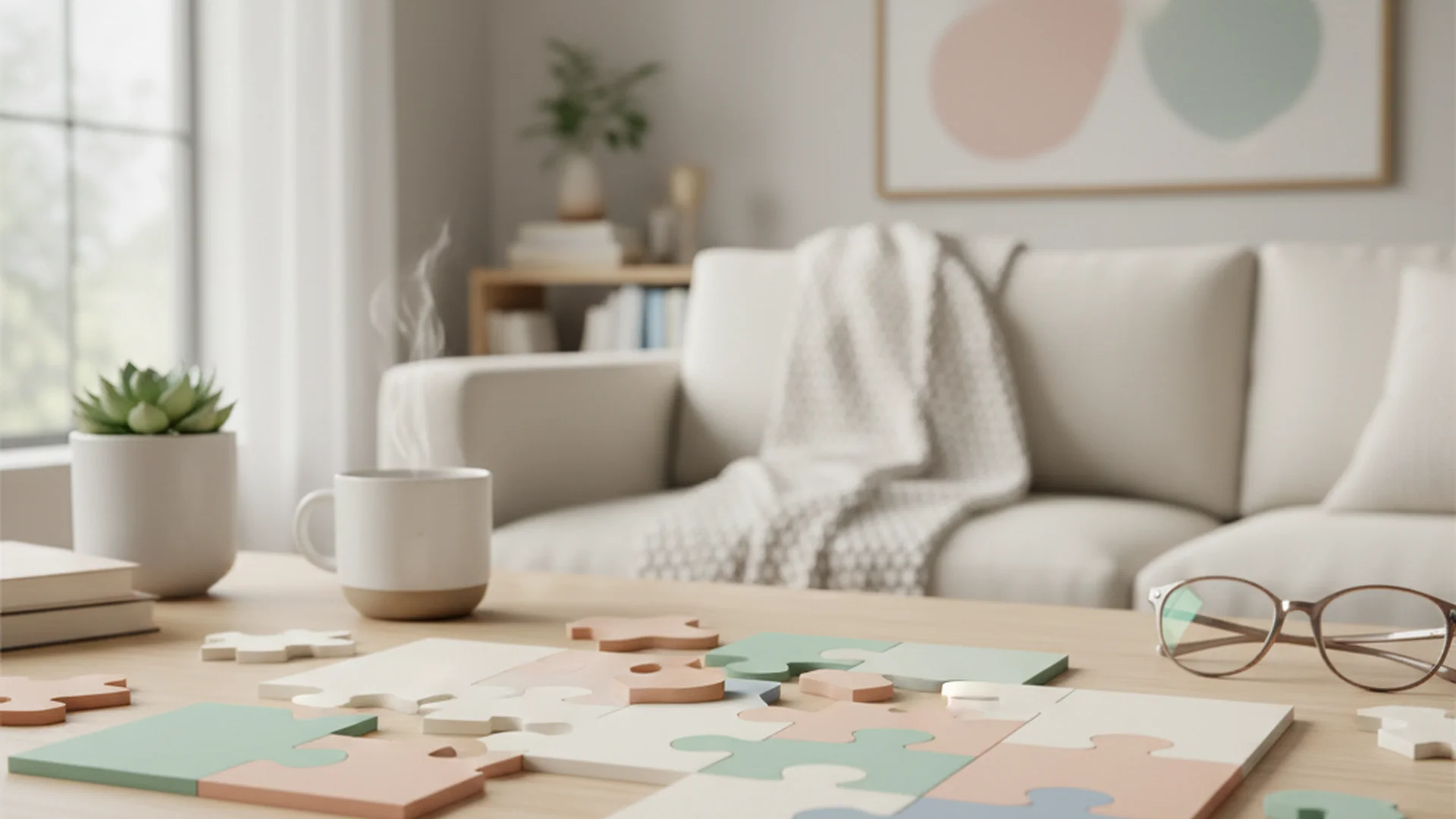
If you still think video games and puzzles are just for kids, the data has a surprise for you. As of 2025, the "average" gamer isn't a teenager in a basement—they are 36 years old, likely balancing a career, family, and a mortgage. For many, finding the right puzzles for 30s has become a vital part of a daily wellness routine. Whether it is a quick session of Sudoku during a commute or a deep dive into crosswords before bed, adults in their 30s are leading the charge in the "brain training" revolution.
In this guide, we will explore why your 30s are the most critical time to engage with puzzles, the latest trends for 2025–2026, and how to avoid the common pitfalls that keep many players from seeing real cognitive results.
The Rise of the Thirtysomething Puzzler
The demographic shift in gaming is staggering. Recent reports from the Entertainment Software Association (ESA) highlight that 68% of Millennials (ages 29–44) are active weekly gamers. This isn't just about high-octane action; 63% of these players cite puzzles and casual games as their primary genre of choice.
Why is this happening now? For those in their 30s, puzzles offer a unique "flow state" that combats the high-cortisol environment of modern life. They provide a sense of control and completion that a chaotic workday often lacks.
Why Brain Games Matter in Your 30s
In your 30s, your brain is at its peak for many complex cognitive functions, but it is also the decade where "cognitive reserve" begins its most important build-phase. Think of cognitive reserve as a savings account for your brain; the more you "deposit" through mental stimulation now, the more resilient your brain will be against aging later.
Building Cognitive Reserve
Neuropsychologists, including Dr. Justin Miller, emphasize that while adult brain games 30s might not be a "cure" for future ailments, they build resilience. By challenging your brain with new rules and patterns, you are strengthening the neural pathways that help with problem-solving and memory.
The Dopamine of the "Aha!" Moment
When you finally solve a difficult Sliding Puzzle or hit a high score using the 2048 Corner Strategy, your brain releases dopamine. This isn't just about feeling good; it’s about reinforcing the learning process.
Advertisement
Top Puzzle Trends for 2025–2026
The landscape of puzzles for 30s has evolved significantly over the last two years. We are moving away from simple time-wasters toward "Hybrid-Casual" and "Cozy" experiences.
1. Hybrid-Casual Evolution
The hottest trend in 2025 is the hybrid model. These games combine simple mechanics, like Match-3 or Word Search, with deep narrative elements or renovation metas. Players aren't just matching gems; they are solving a mystery or rebuilding a digital estate. This provides the long-term engagement that adults crave.
2. The "Cozy" Puzzle Revolution
There has been a massive shift toward "low-stress" gaming. Titles like Blue Prince (released April 2025) focus on atmosphere, exploration, and atmosphere over high-pressure timers. For a 35-year-old looking to decompress after a 10-hour workday, these "cozy" puzzles are the perfect antidote to stress.
3. AR/VR and Flow State
Virtual Reality isn't just for shooters anymore. Modern versions of classics like Tetris have been optimized for VR headsets, providing an immersive experience that blocks out external distractions and helps the player achieve a deep "flow state" much faster than a mobile screen can.
| Puzzle Type | Cognitive Focus | Recommended Game |
|---|---|---|
| Logic | Deductive Reasoning | Minesweeper |
| Word | Verbal Fluency | Word Scramble |
| Math | Quantitative Skills | Number Games |
| Spatial | Mental Rotation | Tangram |
Expert Recommendations for Maximum Benefit
As a crossword constructor, I often see people get stuck in a "comfort zone." If you want to see real cognitive benefits from your adult brain games 30s, you need to vary your diet.
Cross-Training Your Brain
If you are naturally a "numbers person" who spends all day in spreadsheets, doing more math puzzles won't help you as much as trying word-based games. Conversely, if you are a writer, try a Nonogram to challenge your spatial and logical faculties.
Social Puzzling
In your 30s, social connection is a major stress-reliever but can be hard to schedule. Social puzzling—using platforms like Discord to solve mysteries or competing on Leaderboards—combines mental stimulation with social bonding.
The Pencil vs. Screen Debate
While digital apps offer novelty, don't abandon paper. Using a pencil engages the hippocampus—the brain's memory center—more effectively than tapping a screen. For the best results, use digital games for quick breaks and paper puzzles for deep, pre-bedtime sessions to reduce blue light exposure.
Common Mistakes to Avoid
Many people dive into puzzles for 30s with the wrong mindset. Here are the most frequent errors that can hinder your progress:
- The "Miracle Cure" Myth: Brain games are a supplement to, not a replacement for, healthy sleep, diet, and exercise.
- The Sedentary Trap: Sitting for hours playing Logic Puzzles can actually be counterproductive. Experts recommend standing or stretching while you play to keep blood flowing to the brain.
- Rushing the Instructions: Skipping the tutorial to "get to the fun" prevents your brain from engaging in "slow thinking," which is where the most significant neural growth occurs.
- Chasing Ease: If you always play on "Easy" mode to feel a sense of accomplishment, you aren't actually training your brain. You need to hit the "Sweet Spot" where the challenge is just slightly above your current skill level.
Advertisement
Frequently Asked Questions
Do brain games actually prevent dementia?
While research is still evolving, experts state there is no definitive proof they prevent disease. However, they are vital for building "cognitive reserve," which makes the brain more resilient and can delay the onset of symptoms as you age.
What are the best types of puzzles for someone in their 30s?
The best approach is variety. Aim to "cross-train" by playing word games, math puzzles, and spatial reasoning games. If you enjoy strategies, mastering 10 Crossword Solving Strategies the Pros Use can provide a significant mental workout.
Digital vs. Paper: Which is better?
Both have unique benefits. Digital apps offer "novelty" and immediate feedback, while paper puzzles encourage deeper cognitive engagement and help you disconnect from screens, which is essential for sleep hygiene in your 30s.
How long should I play for it to be effective?
Consistency is more important than duration. Aim for 15–30 minutes daily. This habit is more effective for maintaining mental sharpness than sporadic, long-duration sessions.
Conclusion
Your 30s are a decade of high demand, but they are also your "golden era" for cognitive development. By integrating diverse puzzles for 30s into your daily routine, you aren't just passing the time—you are investing in your future brain health. Whether it's the spatial challenge of a Sliding Puzzle or the linguistic gymnastics of a daily crossword, the key is to keep learning, keep struggling, and keep finding those "Aha!" moments.
Ready to Level Up?
Challenge your brain with our daily puzzles and start building your cognitive reserve today.
Put it into practice
Keep reading
Comparisons
Word Puzzles vs Number Puzzles: Which Is Best for Your Brain?
Explore the ultimate debate of word vs number puzzles. Discover which cognitive benefits suit your goals, from verbal intelligence to logical reasoning.
Dec 15, 2025 12 min
Demographics
Cognitive Vitality: The Best Puzzles for 80 Plus in the AI Era
Discover the best puzzles for 80 plus adults in 2025. Explore AI-powered brain games, cognitive benefits, and accessibility tips for elderly mental health and memory.
Jun 20, 2026 12 min
Demographics
Mastering the Impossible: A Comprehensive Guide to Expert Puzzles
Explore the world of expert puzzles. Learn strategies for the most difficult logic, jigsaw, and crossword challenges of 2025-2026.
Oct 8, 2026 12 min
Advertisement