The Ultimate Guide to Puzzle Games for Teens 14-17: Logic, Strategy, and Digital Detox
Discover the best puzzles for teenagers aged 14-17. From high-complexity jigsaws to AR/VR logic games, explore how puzzling builds college-ready cognitive skills.
By Free To Play Puzzles Editorial Team 12 min read
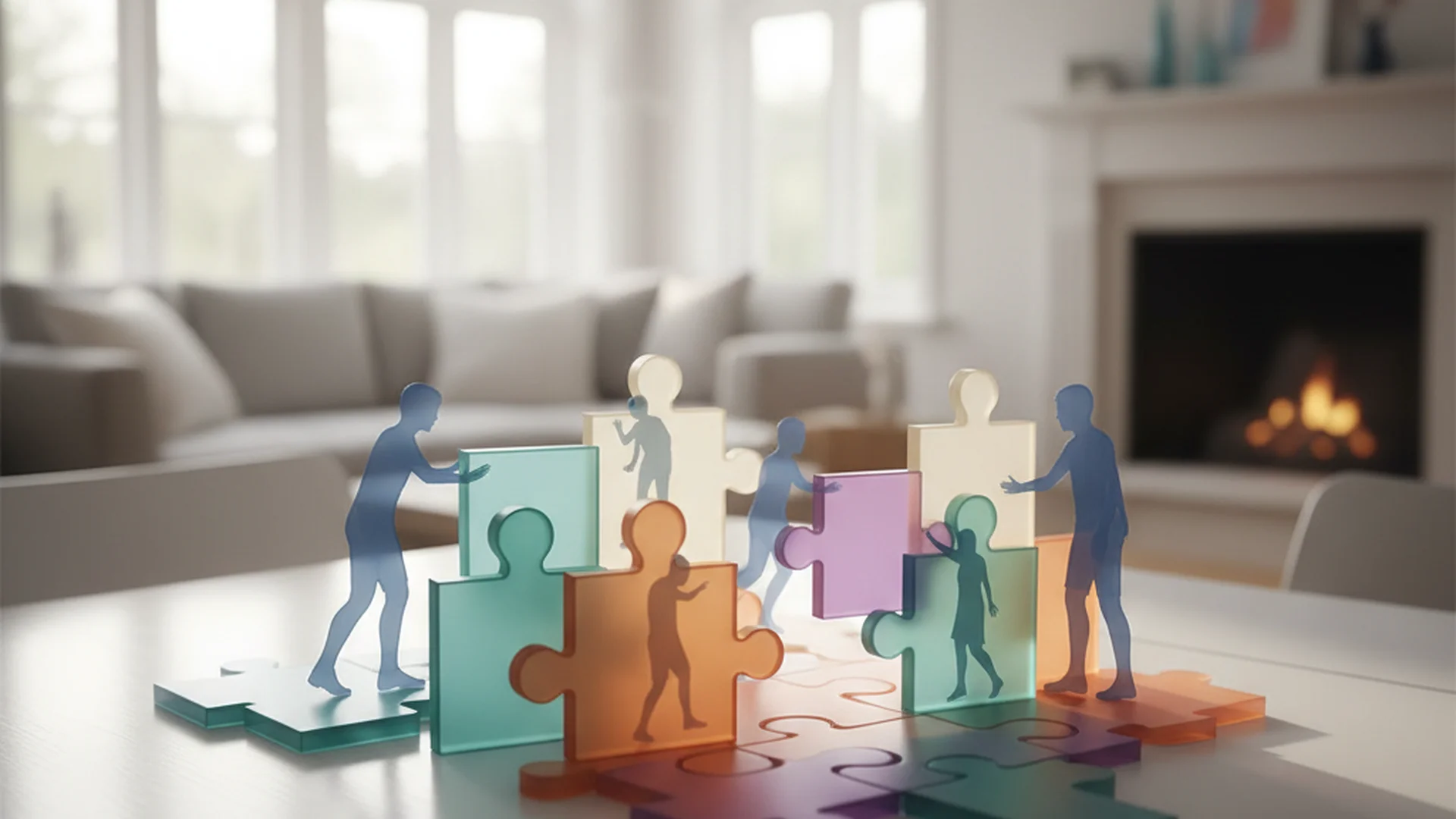
In an era where digital noise is constant, finding productive ways to engage a high schooler’s mind is more critical than ever. For many parents and educators, puzzles for teenagers are often overlooked, dismissed as "child’s play" or something reserved for rainy days at a grandparent's house. However, as a strategic gameplay analyst, I have observed a massive shift: puzzles are becoming the ultimate "hidden" superpower for Gen Z.
For the 14-17 age group, the cognitive demands of school, sports, and social life are at an all-time high. Modern puzzles—whether they are 1,000-piece artistic jigsaws or complex environmental logic games—provide a unique mental "gym" that sharpens executive functions. This guide explores the latest trends, the science of the teenage brain, and how to select the perfect high school puzzles to bridge the gap between entertainment and education.
The Digital Frontier: Puzzle Gaming in 2025 and 2026
The landscape of digital puzzling has moved far beyond simple tile-matching. For teens aged 14-17, the most engaging experiences are those that offer "high-complexity" logic and immersive worlds. We are currently seeing a surge in interest in Advanced Puzzle Games that utilize 3D physics and narrative-driven mysteries.
One of the most anticipated shifts in 2025 is the rise of AR/VR Immersion. Titles like Tesla’s Mystery World allow teens to step inside a virtual laboratory, using their hands to manipulate electricity and gear mechanisms. This isn't just a game; it is a practical application of physics. Similarly, the upcoming 2025 release Blue Prince challenges players to navigate a shifting architectural floor plan where every door opened changes the layout of the building, demanding high-level spatial reasoning.
Looking ahead to 2026, the industry is buzzing about Subnautica 2 (Co-op). While primarily a survival game, it features heavy environmental puzzle-solving that requires teens to use logic gates and resource management to survive hostile underwater environments. For the more competitive teen, Rematch—a "marble puzzle fighter"—is set to combine physics-based logic with fast-paced, competitive play.
The Physical Detox: 3D Models and "Puzzles as Art"
Despite the digital surge, physical puzzles are experiencing a renaissance among high schoolers. The key to success here is moving away from "kiddie" themes and toward sophisticated, high-end designs.
The "Goldilocks" Difficulty Rule
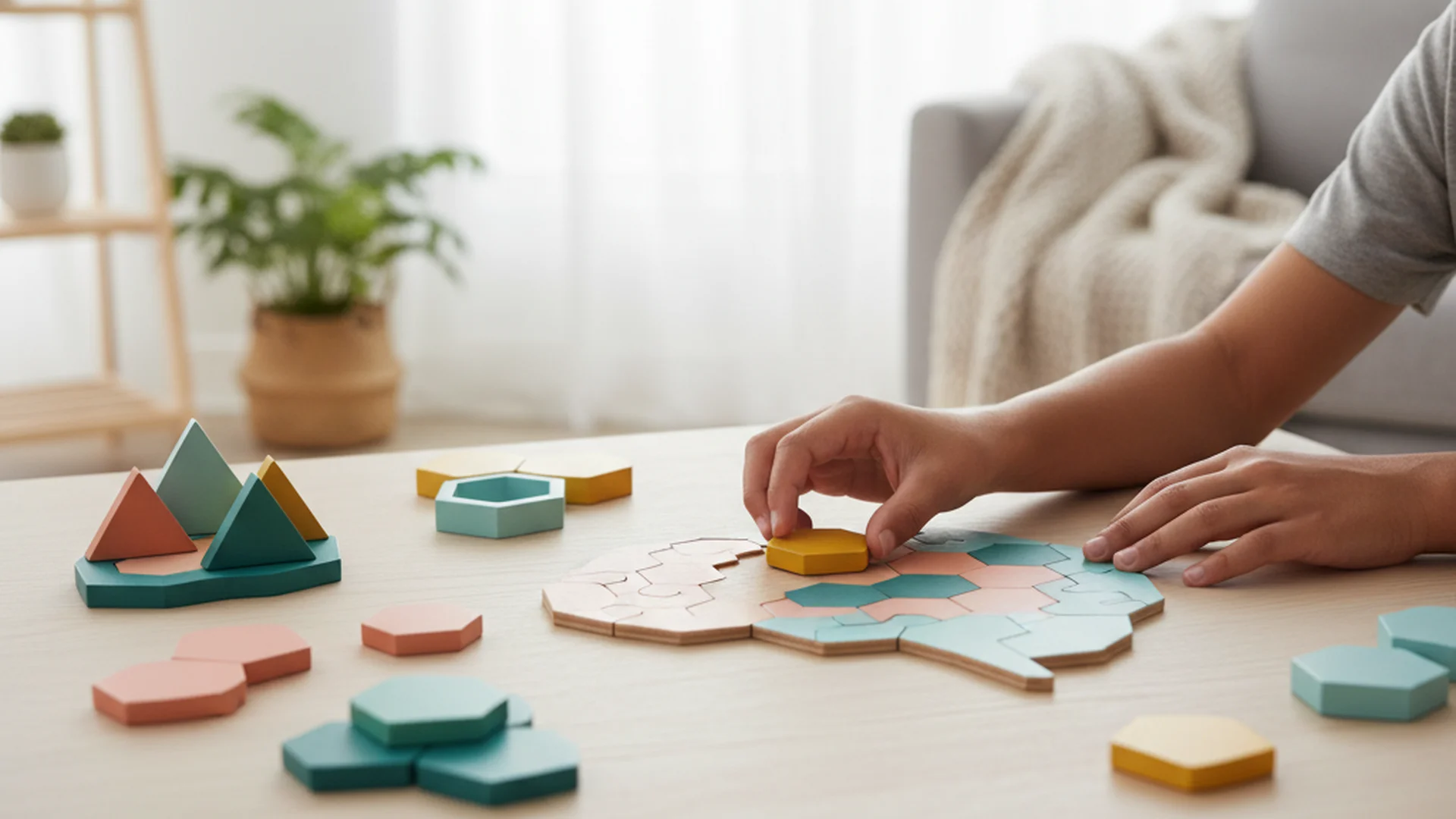
For teens aged 14–17, the sweet spot for physical jigsaw puzzles is 500 to 1,000 pieces. At this age, a 300-piece puzzle is solved too quickly to be satisfying, while a 2,000-piece project can become a daunting, multi-week commitment that eventually gathers dust. A 1,000-piece puzzle offers just enough resistance to trigger the "flow state"—that magical zone where time disappears and focus intensifies.
Puzzles as Decor
A major trend for 2025 is the "Puzzle as Art" movement. Brands are now collaborating with abstract artists and minimalist designers to create puzzles that are meant to be framed. For a 16-year-old, a neon-gradient puzzle or a high-contrast mandala isn't just a toy; it’s a piece of bedroom decor. This provides a sense of permanent accomplishment that digital games often lack.
DIY Engineering and 3D Models
Teens who enjoy working with their hands are gravitating toward 3D mechanical models. Building a functional wooden clock or a marble run from laser-cut plywood bridges the gap between a Logic Puzzles and real-world engineering. These kits require precision and persistence—two traits that are invaluable for high school STEM subjects.
Advertisement
The Science: How Puzzling Builds a "College-Ready" Brain
Why should parents care about high school puzzles? The answer lies in the neuroplasticity of the teenage brain. Research from Slidea and Healthline suggests that regular puzzle-solving can improve cognitive function by up to 15%.
For a 14-17 year old, this improvement targets specific "executive functions":
- Spatial Reasoning: Essential for geometry, physics, and architecture.
- Pattern Recognition: The foundation of computer coding and higher-level mathematics.
- Working Memory: The ability to hold and manipulate information in the mind, crucial for complex essay writing and exam performance.
- Impulse Control: Puzzles require a "stop and think" approach, which helps counter the instant-gratification loops created by social media.
Best Practices for Parents and Educators
Getting a teen to put down their phone for a puzzle requires a strategic approach. Forced participation usually results in pushback. Instead, try the following methods:
The "Low-Pressure Invite"
The most effective way to engage a high schooler is to leave a physical puzzle in a common area. Don't ask them to help; simply start working on it yourself. Teens are naturally curious and often join in when there is no performance pressure or "chore" attached to the activity.
Social Integration and Co-op Play
Teenagers value social connection above almost everything else. Use "Multiplayer Logic" to turn puzzling into a social event. Digital games like Baba Is You or Keep Talking and Nobody Explodes are perfect examples. In the latter, one player sees a bomb on the screen while the other holds the instruction manual; they must communicate clearly and solve puzzles under pressure to prevent a virtual "explosion." This builds incredible teamwork and communication skills.
Gamifying the Real World
Encourage your teen to participate in competitive puzzle-solving. Whether it’s a local "Escape Room" race or a speed-cubing competition, the competitive element can appeal to high-energy teens who might find traditional jigsaws too slow. If they enjoy numbers, introducing them to advanced Sudoku strategies can turn a solitary activity into a quest for a personal best time.
| Puzzle Type | Skill Targeted | Recommended Format |
|---|---|---|
| Jigsaw (1000pc) | Visual Scanning | Physical / Tabletop |
| Logic Gates | Coding Logic | Digital (PC/Console) |
| 3D Mechanical | Engineering | Physical Kit |
| Escape Rooms | Team Communication | Social / VR |
Common Mistakes to Avoid
In my years as a strategic analyst, I’ve seen many well-intentioned parents accidentally kill their teen’s interest in puzzles. Avoid these common pitfalls:
- Forcing the "Hard" Choice: Don't start with a high-difficulty logic puzzle if they haven't solved one in years. Start with something "cozy" or visually appealing to build confidence.
- Thinking Puzzles are Solitary: Many assume puzzles isolate kids. In reality, modern puzzle games are highly social. Discouraging digital co-op games is a missed opportunity for social learning.
- Dismissing Gaming as Wasted Time: Not all gaming is equal. "Serious" puzzle games like those found in Brain Training apps function as "gyms for the brain."
- The "Childish" Label: Never refer to a teen's puzzle as a "toy." Treat it as a project or a strategic challenge. Language matters when dealing with 14-17 year olds who are seeking adult-level respect.
Advertisement
Frequently Asked Questions
Are puzzles too childish for a 16-year-old?
No. Modern "high-complexity" puzzles are specifically designed for adult-level cognitive processing. Many of the most popular digital puzzle games, like The Witness or Blue Prince, are marketed toward adults and older teens due to their intense logic requirements.
What is the best way to get a teen to put down their phone for a puzzle?
The "Low-Pressure Invite" works best. Leave a high-quality physical puzzle in a shared living space. When the teen sees the progress being made without being "nagged" to join, their natural urge to finish a pattern will often draw them in.
What skills do puzzle games actually teach for school?
They build spatial reasoning (vital for geometry and physics), pattern recognition (the basis of math and coding), and persistence. This "grit" helps students stay focused on academic challenges rather than giving up when a problem becomes difficult.
Is digital puzzling as good as physical?
Both have unique benefits. Digital puzzles offer immediate feedback and adaptive difficulty through AI. Physical puzzles offer a "digital detox," tactile motor-skill development, and the opportunity for face-to-face social interaction. A healthy mix of both is ideal.
Conclusion
Puzzles for teenagers represent more than just a way to pass the time; they are a vital tool for cognitive development in a rapidly changing world. By moving toward the "Goldilocks" difficulty of 500-1,000 pieces and embracing the social, high-tech world of 2025's digital releases, we can help high schoolers build the focus and logic they need for the future.
If you’re looking to start younger siblings on the same path, you might explore Puzzle Games for Tweens 11-13 to see the progression of difficulty. For now, try clearing off the dining room table and laying out a high-contrast jigsaw this weekend—you might be surprised at who joins you.
Ready to Level Up?
Discover how puzzles can transform your cognitive performance today.
Put it into practice
Keep reading
Demographics
The Ultimate Guide to Puzzle Games for Tweens 11-13: 2025 Edition
Explore the best puzzles for tweens ages 11-13. From 3D logic games to tech-integrated challenges, discover how middle school puzzles boost brain power and focus.
May 13, 2026 12 min
Demographics
The Best Puzzle Games for 8-10 Year Olds: A 2026 Strategy Guide
Explore the evolving world of puzzles for 8-10 year olds. From 3D challenges to AI-driven play, discover how to boost cognitive growth and reduce screen fatigue.
Feb 6, 2026 12 min
Demographics
The New Era of Mental Longevity: Best Puzzle Games for 50s
Discover how puzzles for 50s can reverse brain age by 3 years. Explore AI-personalized games, VR exergaming, and expert tips for cognitive health in middle age.
Aug 16, 2026 10 min
Advertisement