Gaming for Mental Health: The Therapeutic Power of Puzzles
Explore how games for mental health are evolving into clinical digital therapeutics. Learn about therapeutic gaming trends, FDA clearances, and wellness stats for 2025.
By Free To Play Puzzles Editorial Team 12 min read
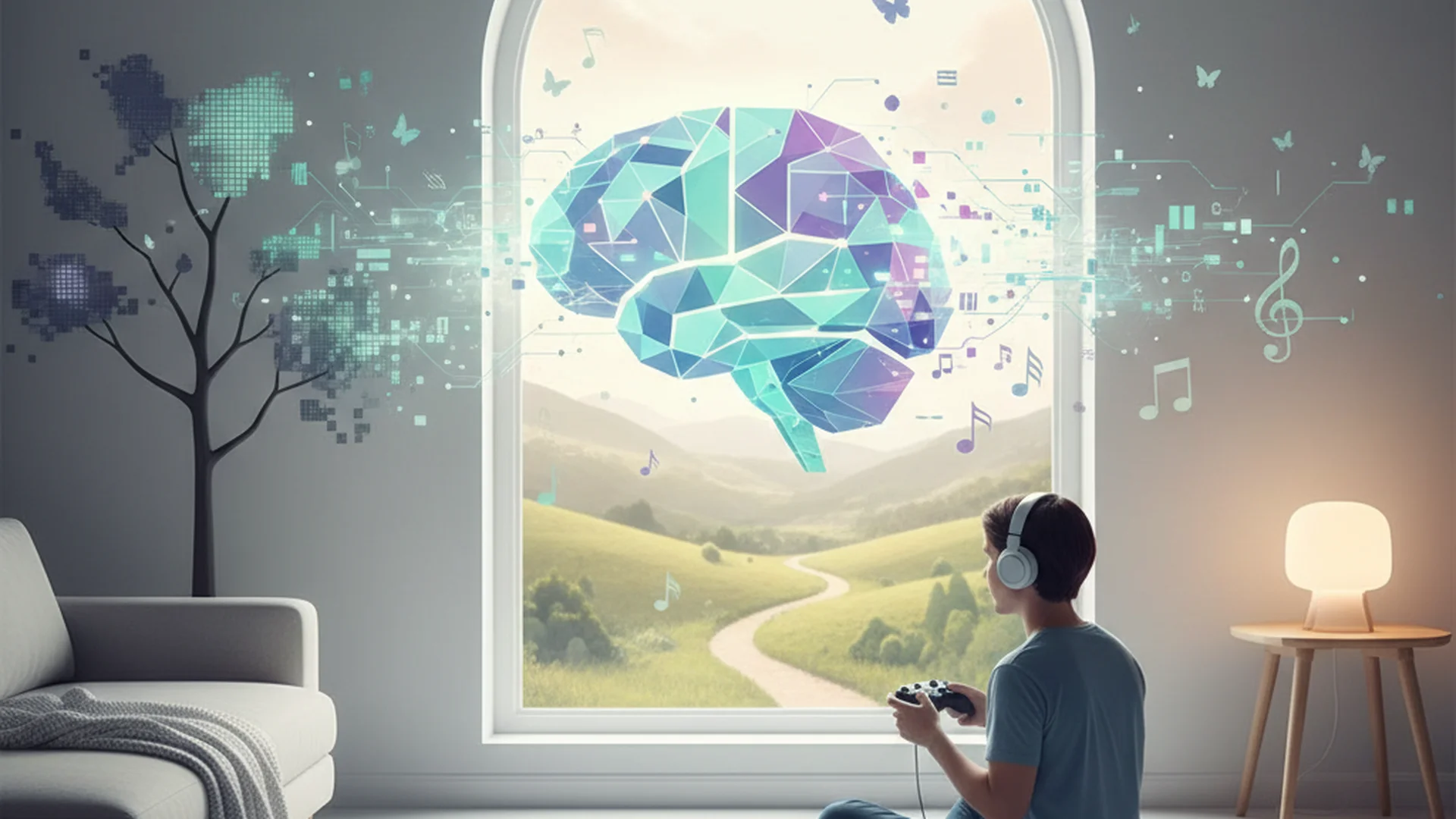
For decades, the image of a "gamer" was someone retreating from reality. But as we move through 2025, that narrative has been completely rewritten. The architecture of a well-made puzzle can soothe a frantic mind. Today, we are seeing a global shift where games for mental health are no longer just a hobby—they are a scientifically backed, clinical-grade tool for wellness.
The industry is currently undergoing a massive transformation, moving from what experts call "accidental therapy" into the era of "digital medicine." Whether it is a high-stakes strategy game or a tranquil word puzzle, the intentional use of interactive media is providing a lifeline for billions. In this guide, we will explore the therapeutic power of play, the latest research for 2025–2026, and how you can harness gaming to improve your cognitive and emotional well-being.
The New Era of Therapeutic Gaming
The concept of therapeutic gaming has evolved. In the past, we played to "zone out." Today, we play to "zone in." This shift is supported by the 2025 Global Power of Play report, which found that 77% of players feel less stressed after a session, and 70% report lower levels of anxiety.
What makes gaming different from watching a movie or reading a book is agency. In a game, you are not a passive observer; you are the architect of your own progress. For someone struggling with depression or anxiety, that sense of control can be a powerful antidote to the feeling of helplessness that often accompanies mental health challenges.
The Science of Flow and Focus
At the heart of why games for mental health work is the concept of "Flow." Flow is a state of optimal submersions where the challenge of the task perfectly matches your skill level. When you are in a flow state, the "background noise" of the brain—ruminating thoughts, worries about the future, or regrets about the past—simply falls away.
For those looking to sharpen their mind, engaging with Brain Games for Focus can help build the neural pathways necessary for sustained attention.
2025 Trends: Gaming as Digital Medicine
The most significant update in the last year is the democratization of digital medicine. We are no longer waiting for the future of "medical games"; that future is already here.
FDA Clearances and OTC Access
In mid-2024, the landscape changed when the FDA cleared EndeavorOTC for adults with ADHD. This allows individuals to access clinical-grade neural stimulation without a traditional prescription. Following this, Rejoyn became the first prescription digital therapeutic for Major Depressive Disorder (MDD), designed to supplement antidepressant medication through specific cognitive-emotional exercises.
Medicare and Reimbursement
As of January 1, 2025, the Centers for Medicare and Medicaid Services (CMS) introduced new codes for Digital Mental Health Treatment (DMHT). This is a watershed moment for the industry. It means that for the first time, doctors can bill for "prescribing" therapeutic software, making these tools accessible to a much wider demographic, including seniors.
| Development | Impact | Availability |
|---|---|---|
| EndeavorOTC | ADHD focus improvement | Over-the-counter |
| Rejoyn | MDD supplement therapy | Prescription |
| CMS Codes | Financial accessibility | Insurance/Medicare |
| Biofeedback SDKs | Any game can be "therapeutic" | Developer-wide |
Advertisement
The Benefits of Different Gaming Genres
Not all games serve the same emotional purpose. To use gaming as a tool for mental health, you must choose the right genre for your current needs.
"Cozy" Games for Decompression
Games like Animal Crossing or Unpacking are designed for low-stress relaxation. They lack the "game over" screens that can trigger frustration, focusing instead on decoration, organization, and gentle social interactions.
TTRPGs for Social Anxiety
Tabletop Role-Playing Games (TTRPGs), such as Dungeons & Dragons, are being used by therapists to help patients practice social skills. In a digital or physical TTRPG, you can inhabit a character who is confident, assertive, or empathetic. This "low-stakes" environment allows for identity exploration that can eventually be translated into real-world social confidence.
Biofeedback and the Vagus Nerve
New technologies, such as those from DeepWell DTx, are integrating biofeedback directly into gameplay. Some games now use "Zengence" techniques, where players must use rhythmic breathing or humming to succeed in the game. This physically activates the vagus nerve, lowering blood pressure and heart rate in real-time.
Cognitive Benefits Across the Lifespan
Gaming isn't just for the young. In fact, some of the most profound benefits are seen in older populations. Engaging in Best Brain Games for Seniors can help maintain cognitive plasticity and delay the onset of age-related decline.
- Creativity: 77% of players believe games improve their creative thinking.
- Problem-Solving: 56% of teens credit gaming with helping them solve real-world problems.
- Memory Recall: Specific puzzles and strategy games are linked to improved short-term and long-term memory. You can see how these apply in Brain Games for Memory.
Gaming and ADHD
A common misconception is that gaming causes ADHD. Research actually shows the opposite: individuals with ADHD are naturally drawn to the high-frequency reward loops of gaming because it helps them achieve a "flow state" that their brain otherwise struggles to maintain. Games like EndeavorRx are specifically designed to stimulate the neural systems related to attention.
Common Mistakes to Avoid
While the benefits are vast, there are pitfalls to using gaming as a mental health tool.
- Using Gaming as "Avoidant" Play: Escapism is healthy in small doses. However, if you are using gaming as your only coping mechanism to avoid dealing with trauma or life responsibilities, it becomes avoidant play, which can delay long-term recovery.
- Ignoring "Toxic" Environments: One hour of a toxic, highly competitive multiplayer game can be more damaging to your mental health than six hours of creative play. If a game makes you angry or stressed, it is not serving a therapeutic purpose.
- The "Teen Gap": While 85% of teens play, many report that gaming negatively impacts their sleep. It is vital to set "digital sunsets"—turning off screens at least an hour before bed to allow melatonin production.
- Financial Anxiety: Beware of "loot boxes" or "pay-to-win" mechanics. For those with impulsive tendencies or financial stress, these mechanics can trigger significant anxiety.
Advertisement
Intentional Play: Best Practices
To maximize the mental health benefits of your gaming sessions, consider these expert recommendations:
- Set an Intention: Before you start, ask yourself: "Am I playing to relax, to socialize, or to challenge my brain?"
- Use "Zen Modes": Many modern games offer combat-free modes. Use these to enjoy the environment and soundtrack without the stress of failure.
- Don't Force It: Forcing a "mental health game" can lead to "gamification fatigue." If you aren't enjoying it, it's not therapy.
- Monitor Your Physical State: Use the "Vagus Nerve" technique. If you feel your chest tightening during a difficult level, practice rhythmic breathing while you play.
We often recommend word games for those who want a quiet, meditative challenge. You can find many of these in our Crosswords section, which provides a perfect balance of logic and linguistic play.
Frequently Asked Questions
Is gaming actually a valid form of therapy?
Yes, when used intentionally. It is now classified as "Digital Therapeutics" (DTx) and can be prescribed by doctors or used over-the-counter (OTC) to treat specific conditions like ADHD or depression. The 2025 Medicare updates further validate this by allowing for insurance reimbursement for certain gaming treatments.
Do violent games make people more aggressive?
The latest longitudinal evidence, including major studies from Oxford University, shows no causal link between violent game content and real-world aggression. Aggression is typically linked to personality traits, social environment, and the frustration of losing, rather than the content of the game itself.
How much gaming is "too much"?
Experts suggest that quality matters more than quantity. One hour of toxic play is worse than six hours of creative, social, or flow-state play. However, if gaming interferes with sleep, work, or personal relationships, it may be time to reassess your habits.
Can games help with ADHD?
Yes. Digital therapeutics like EndeavorRx are specifically designed to target the brain's attention-processing centers. Games provide the immediate feedback and dopamine rewards that ADHD brains often crave, helping to train focus in a controlled environment.
What are the best games for social connection?
Tabletop RPGs (like Dungeons & Dragons) and "cozy" multiplayer games (like Stardew Valley) are excellent for building social bonds. For those recovering from health setbacks, Brain Games After Stroke can also provide a way to reconnect with cognitive skills while engaging with others.
Conclusion
The evolution of gaming from a simple pastime to a pillar of brain health is one of the most exciting developments of this decade. By choosing games for mental health that align with your emotional needs—whether that’s the structured challenge of a crossword or the immersive world of a digital therapeutic—you can turn your screen time into a powerful tool for wellness.
As we look toward 2026, the integration of biofeedback, clinical oversight, and intentional design will continue to break down the stigma surrounding gaming. Remember, the goal is not just to play, but to play with purpose.
Ready to Boost Your Brain?
Explore our collection of puzzles and logic games designed to sharpen your mind.
Put it into practice
Keep reading
Brain Health
Brain Teasers vs Puzzles: Key Differences for Brain Health
Explore the vital differences between brain teasers vs puzzles. Discover which cognitive exercises offer the best benefits for mental longevity and focus in 2025.
Apr 17, 2026 10 min
Brain Health
Brain Health: The Complete 2026 Guide to Cognitive Wellness
Explore the definitive brain health guide for 2026. Learn about neuroplasticity, the SAFEST BRAINS protocol, and the latest research in cognitive longevity.
Sep 14, 2026 25 min
Brain Health
5-Minute Brain Games: Quick Mental Workouts for Peak Performance
Discover the power of quick brain games. Learn how 5-minute mental workouts can boost memory, attention, and cognitive health based on 2025 research.
Jul 30, 2026 12 min
Advertisement