Can Puzzles Prevent Dementia? A Comprehensive Research Review
Explore the latest 2025-2026 research on whether puzzles prevent dementia. Learn about cognitive reserve, modifiable risk factors, and the best brain training strategies.
By Free To Play Puzzles Editorial Team 12 min read
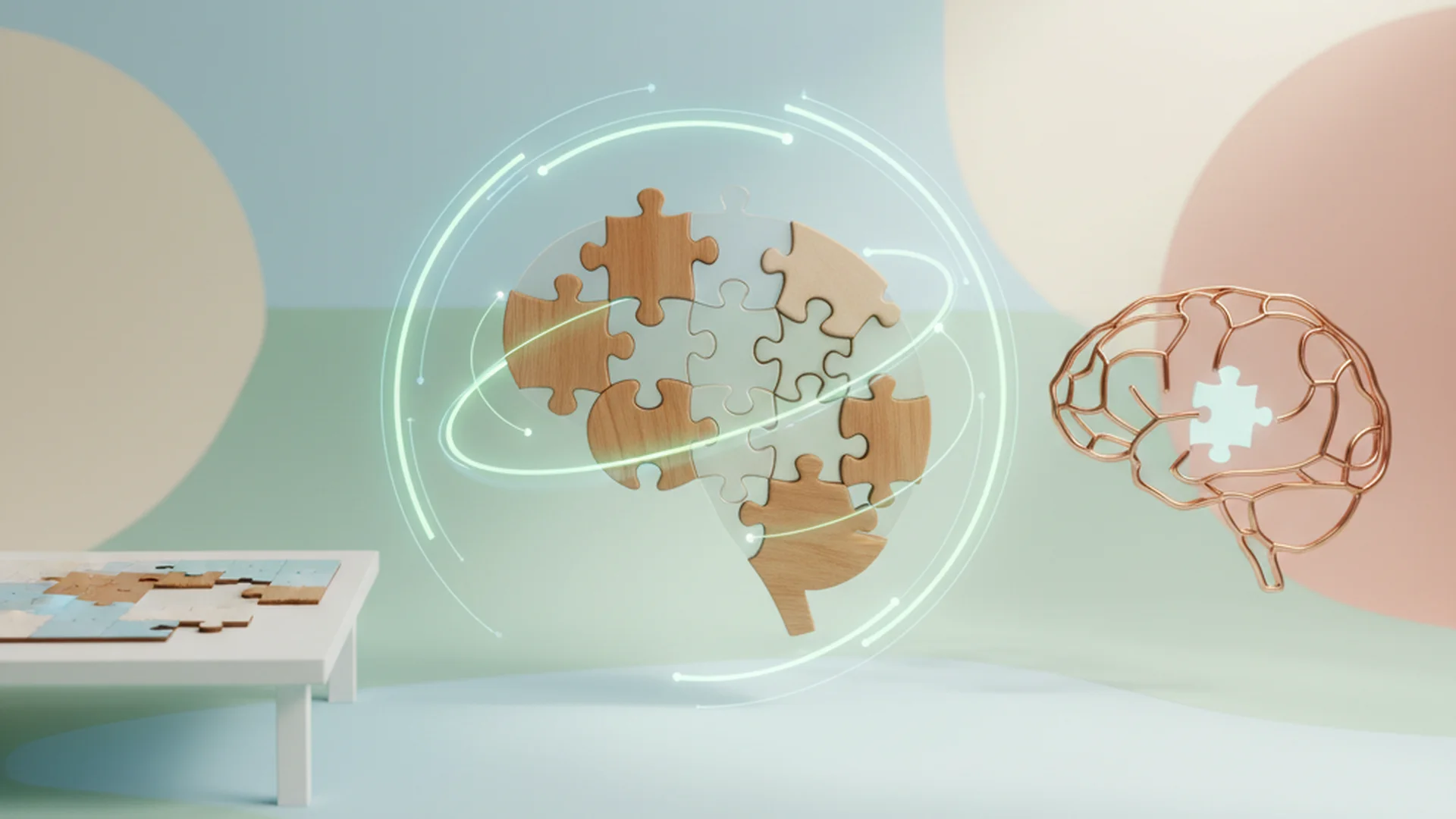
One question comes up again and again: "Can puzzles prevent dementia?" It is a question born of both hope and a desire for agency in the face of a complex condition. For years, the scientific community focused almost exclusively on the biological markers of Alzheimer’s and other forms of cognitive decline. However, as we move through late 2025 and look toward 2026, the consensus has shifted dramatically toward the power of prevention and "cognitive reserve."
The short answer is that while no single activity is a "magic bullet," the latest research indicates that cognitively stimulating activities—including crosswords, logic puzzles, and strategic games—play a vital role in a comprehensive brain health strategy. According to the 2024 Lancet Commission report, approximately 45% of dementia cases are potentially preventable or delayable by addressing 14 modifiable risk factors across the lifespan.
Understanding the "Cognitive Reserve" Hypothesis
To understand why people believe puzzles prevent dementia, we must first understand the concept of cognitive reserve. Think of your brain like a city’s power grid. If one transformer blows out (representing the damage from dementia), a city with a high "reserve" has enough backup lines and rerouting capabilities to keep the lights on.
Puzzles and mental exercises help build this reserve. They don't necessarily stop the "transformer" from blowing out—meaning they may not prevent the underlying pathology of diseases like Alzheimer's—but they significantly delay the onset of symptoms. Recent clinical data suggests this delay can be as long as two years or more, providing patients with significantly more time to live high-quality, independent lives.
The Science of Synaptogenesis
When you engage in a challenging task, such as Sudoku or a complex jigsaw, your brain undergoes synaptogenesis—the formation of new synapses between neurons. By constantly challenging the brain with new information, you are essentially "rewiring" your neural pathways. This makes the brain more resilient to the protein plaques and tangles associated with cognitive decline.
What the Latest Research Tells Us (2024–2026)
The last two years have been groundbreaking for dementia research. We have moved beyond general advice into specific, data-driven recommendations.
The Monash University Study
A landmark study from Monash University recently highlighted that frequent engagement in mentally stimulating activities like crosswords, cards, and chess can reduce the risk of developing dementia by roughly 11% to 15%. This study was significant because it tracked participants over a long period, showing that those who remained "mentally active" into their 70s and 80s had notably sharper cognitive profiles.
The ACTIVE Study and Speed of Processing
One of the most cited long-term trials, the ACTIVE study, found that "speed of processing" training—specific types of fast-paced brain games—reduced dementia risk by 29% in healthy older adults over a 10-year period. This suggests that the type of challenge matters just as much as the frequency.
The Power of Daily Engagement
Consistency is the cornerstone of cognitive health. Research now shows that for every day of the week that you perform a cognitively challenging activity, there is an associated 7% reduction in dementia risk. This means that a person who puzzles five days a week has a significantly lower risk profile than someone who only does so once a week.
Advertisement
The "Super-Activity": Why Movement and Puzzles Pair Perfectly
While solo puzzles are excellent, the research in late 2025 and 2026 has brought "dual-task" activities to the forefront. Dr. Trisha Pasricha’s recent work has highlighted dancing as a "super-activity."
Why? Because dancing simultaneously challenges:
- Physical Systems: Balance, coordination, and cardiovascular health.
- Cognitive Systems: Remembering steps and timing.
- Social Systems: Interacting with a partner or group.
Research suggests that dancing more than once a week can reduce dementia risk by a staggering 76%. This has led to the rise of "exergaming"—video games that require physical movement, such as VR fitness games or interactive Memory Games. These games provide a dual-task benefit that traditional, sedentary puzzles simply cannot match.
Trends and Technological Updates in 2025
The landscape of brain training is evolving rapidly. We are seeing a shift from static games to highly personalized, AI-driven experiences.
AI-Personalized Training
New 2025 iterations of popular brain training platforms now use AI to adjust difficulty in real-time. These systems identify your specific cognitive "weak spots"—perhaps spatial reasoning or short-term recall—and tailor the puzzles to push you exactly where you need it most. This prevents the "plateau effect," where a user becomes so good at a game that it no longer provides a cognitive challenge.
Circadian Rhythm and Brain Training
Recent 2025 studies have linked irregular sleep patterns to higher dementia risk. Consequently, experts now recommend performing your most difficult "brain training" during your peak energy hours. For most people, this is in the morning. Puzzling when your brain is naturally most alert maximizes the potential for neural growth.
Common Mistakes to Avoid
Even with the best intentions, many people approach puzzles in a way that minimizes their benefits.
1. The "Magic Bullet" Fallacy
Many believe that doing one crossword a day will cancel out a sedentary lifestyle or a poor diet. This is a dangerous misconception. Puzzles are a supplement to, not a substitute for, physical health. If you are not managing your blood pressure or cholesterol, no amount of Sudoku will fully protect your brain.
2. The Trap of Mastery
If you can finish a Sudoku puzzle in five minutes without breaking a sweat, you are no longer gaining significant cognitive benefits. The brain only grows when it is struggling. Once an activity becomes "easy," it moves from the realm of cognitive training to simple relaxation.
3. Neglecting Sensory Health
Following the 2024 Lancet update, we now know that untreated vision and hearing loss are major modifiable risk factors for dementia. If you cannot see the clues on a page or hear the instructions in a game, your brain receives less "input," leading to atrophy.
Advertisement
The "Multi-Pillar" Approach: The POINTER Trial Recipe
Puzzles work best when they are part of a larger lifestyle framework. The US POINTER trial and similar global studies suggest a "recipe" for brain health that everyone should follow:
| Pillar | Recommended Action | Impact on Risk |
|---|---|---|
| Physical Exercise | 150 min of moderate aerobic activity weekly | Reduces risk by ~30% |
| MIND Diet | High intake of berries, leafy greens, and healthy fats | Delays cognitive aging by 7.5 years |
| Social Engagement | Regular group activities or volunteer work | Lowers depression-related risk |
| Cognitive Stim | Daily puzzles, learning new skills, or "exergaming" | Builds cognitive reserve |
| Vascular Health | Managing blood pressure and LDL cholesterol | Linked to 10% of total risk |
Practical Ways to Incorporate Puzzles for Prevention
Starting a brain-healthy routine doesn't require expensive subscriptions. In fact, some studies show that traditional paper crosswords result in less brain shrinkage in those with mild impairment compared to digital games, likely due to the lack of blue-light distractions and the tactile nature of the task.
- The 20-Minute Rule: Aim for 20 minutes of daily engagement. This is more effective than a three-hour "marathon" once a week.
- Switch it Up: If you did a word-based puzzle yesterday (like Word Scramble), do a number-based one today (like 2048).
- Make it Social: Play Bridge, Connect Four, or board games with friends. The social interaction adds a layer of complexity that solo play lacks.
- Increase Difficulty: As soon as a level becomes comfortable, move to the next one. If you want to get better at puzzles, you must embrace the frustration of the "hard" level.
Frequently Asked Questions
Do puzzles prevent the disease or just the symptoms?
Puzzles rarely prevent the underlying biological pathology (like the buildup of amyloid plaques). However, they build "cognitive reserve," which allows the brain to function normally despite that damage. Effectively, puzzles delay the symptomatic stage of dementia, allowing for more years of healthy living.
Are brain training apps better than paper crosswords?
Not necessarily. While apps offer AI-driven difficulty scaling, traditional paper puzzles offer "novelty" and a lack of digital distraction. Both are effective, but the best one is the one you will actually do consistently. For those interested in digital options, Memory Match games are excellent for short-term recall.
Is there one 'best' puzzle to do for brain health?
No. The "best" puzzle is the one that is currently challenging you. For a well-rounded brain, you should rotate between language puzzles, logic puzzles, and spatial puzzles (like Tangrams).
Can I reverse memory loss by starting puzzles now?
While you cannot "reverse" existing neurological damage or death of neurons, puzzles can help strengthen the remaining neural pathways. This can improve your daily functioning and significantly slow the rate of future decline.
How much time should I spend on puzzles each day?
The current recommendation is 15 to 20 minutes of "active struggle." This means the time you spend actually thinking and solving, not just the time the puzzle is sitting in front of you.
Conclusion
The evidence from 2025 and 2026 is clearer than ever: while we cannot yet "cure" dementia with a crossword, we can use puzzles as a powerful shield to protect our quality of life. By building cognitive reserve, embracing variety, and pairing mental exercise with physical and social activity, we can significantly alter our cognitive trajectory.
Remember that the goal of puzzling for brain health isn't to become a master of one game; it's to remain a lifelong student of many. Stay curious, keep challenging yourself, and don't be afraid to try a puzzle that feels "too hard"—that frustration is simply the sound of your brain building its defenses.
Ready to Challenge Your Brain?
Start your daily cognitive routine with our collection of puzzles.
Put it into practice
Keep reading
Reference
How to Get Better at Puzzles: Expert Strategies for Every Solver
Learn how to get better at puzzles with our comprehensive guide. Improve your puzzle skills using expert logic, environmental optimization, and 2025 trends.
Aug 18, 2026 12 min
Reference
Physical Puzzles Overview: The Complete Guide to Mechanical Challenges
Explore the 2025 tactile revival with our physical puzzles overview. Learn about mechanical puzzle types, maintenance tips, and the latest trends in functional art.
Mar 25, 2026 12 min
Reference
The Ultimate Visual Puzzles Overview: Science, Trends, and Mastery
A complete overview of visual puzzles. Discover market trends for 2025-2026, cognitive benefits, and expert strategies for solving and design.
Dec 16, 2025 12 min
Advertisement