Beyond High Scores: How to Track Brain Training Progress in 2025
Learn how to accurately track brain training progress using AI-driven tools, wearable tech, and real-world metrics to ensure your cognitive gains are permanent.
By Free To Play Puzzles Editorial Team 12 min read
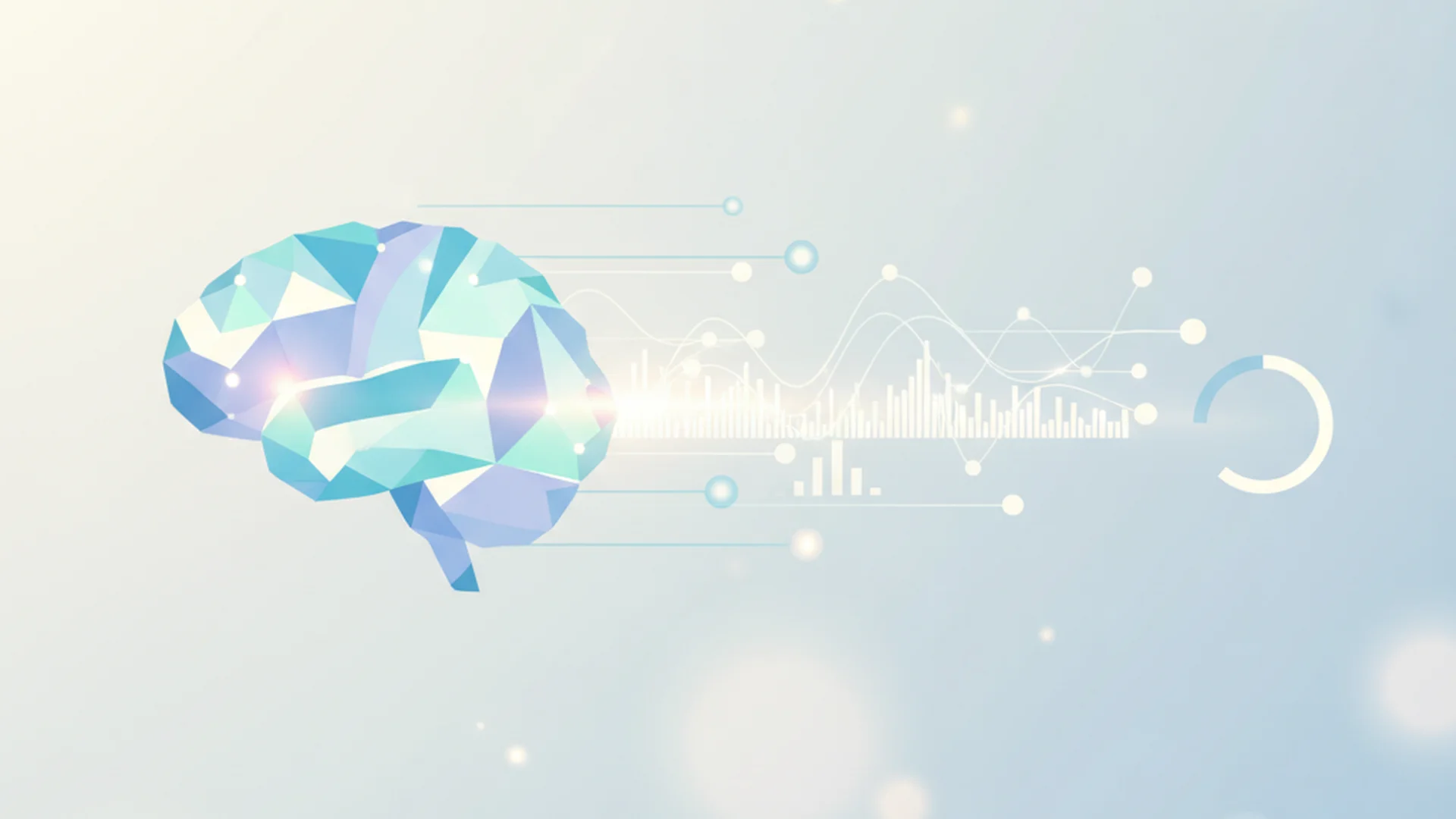
In the early days of digital gaming, tracking your performance was simple: you looked at the high score at the top of the arcade cabinet. As a strategic gameplay analyst, I’ve seen this evolution firsthand. However, when you track brain training today, a high score in a digital puzzle is no longer the ultimate goal. In 2025, the focus has shifted from being "good at a game" to achieving "far transfer"—the measurable improvement of your cognitive functions in everyday life, such as remembering where you parked or staying focused during a three-hour board meeting.
The New Science of Tracking Brain Training Progress
The landscape of cognitive enhancement has changed drastically over the last two years. We are no longer just tapping on screens; we are engaging with sophisticated, AI-driven ecosystems designed to monitor our neuroplasticity in real-time. To truly understand your brain game progress, you must look beyond the dopamine hit of a "Level Up" notification and analyze how your brain is actually changing.
Recent research from the 2025 SNS Insider report highlights that memory training now accounts for over 40% of the market share. This is because users are increasingly looking for tangible results. A pivotal study from Posit Science (BrainHQ) recently demonstrated that consistent, specialized cognitive training could rejuvenate neurochemical health—specifically acetylcholine levels—to that of someone 10 years younger.
Understanding Near Transfer vs. Far Transfer
One of the biggest hurdles in tracking progress is the "Near Transfer" trap. This happens when you get incredibly good at a specific game, like Sudoku, but find that your general memory remains the same.
- Near Transfer: You get better at the specific task you are practicing.
- Far Transfer: The skills from the game (like processing speed) "transfer" to real-world tasks (like faster reaction times while driving).
To ensure you are seeing real improvement, you should evaluate your performance on Brain Training platforms by how they impact your daily cognitive load.
Best Practices for Measuring Cognitive Gains
Tracking progress requires a disciplined approach. You wouldn't expect to run a marathon after one jog; similarly, your brain requires a structured regimen to build what scientists call "cognitive reserve."
The 4:1 Training Rule
Consistency is the engine of neuroplasticity. Current research suggests following the 4:1 Rule: Aim for at least 10 sessions every 14 days. This threshold—training more days than you rest—is the tipping point where the brain begins to physically rewire itself.
Habit Stacking for Brain Health
As a strategic analyst, I always recommend "habit stacking." This involves integrating your 30-Day Brain Training Challenge into existing routines.
- Example 1: Complete a 6-minute processing speed session immediately after your morning coffee.
- Example 2: Use a memory game right after a physical workout. Studies show that increased blood flow to the brain post-exercise makes it more receptive to new information.
Advertisement
Emerging Trends: AI and Wearables in 2025-2026
The way we monitor brain game progress has been revolutionized by the integration of hardware and software. At CES 2026, the tech world saw a massive shift toward "closed-loop" monitoring.
| Feature | 2020 Standard | 2025-2026 Innovation |
|---|---|---|
| Personalization | Static Difficulty | Real-Time Adaptive AI Algorithms |
| Data Source | App Interactions Only | Wearable Integration (Gait, Voice, Sleep) |
| Environment | 2D Flat Screens | VR/3D Serious Games (NeuroTracker) |
| Measurement | In-Game Scores | "Brain Age" & Clinical Assessments |
Samsung’s "Brain Health" Integration
Samsung’s latest wearable features use gait analysis and voice tone to provide a customized brain training program. If the sensors detect a slight change in your walking pattern or speech fluidity—often early indicators of cognitive fatigue—the AI adjusts your training intensity for that day. This "Cognitive Training 2.0" focuses on spatial awareness and situational focus through 3D environments that mimic real-life complexity.
Common Mistakes to Avoid
Even the most dedicated trainees can fall into traps that stall their progress. To effectively track brain training, avoid these common pitfalls:
- The "Magic Pill" Fallacy: Expecting instant results leads to burnout. Like physical fitness, cognitive reserve is built through compound effort over weeks and months.
- Multitasking During Training: If you check your emails while playing a focus game, you are "splitting" your brain's attention. This effectively neutralizes the training's benefit and gives you a false sense of your Cognitive Benefits.
- Over-training on One Game: Mastering a single puzzle only makes you a master of that puzzle. Cross-training across memory, logic, language, and speed is essential. Check out Best Brain Games Ranked to find a variety of tasks.
- The Volume Error: For those using audio-based training like binaural beats, setting the volume too high can cause mental fatigue. Keep it at a moderate, comfortable level.
Real-World Examples of Tracking Success
How does "tracking" look in a practical sense? Here are three scenarios based on current user demographics:
- The Professional (Age 35): Uses Best Free Brain Training Apps 2025 to improve executive function. They track progress by measuring how many times they get distracted during deep-work sessions at the office.
- The Senior (Age 72): Uses the XpressO self-assessment once a month. Their "success" metric isn't a high score in a game, but rather the ability to recall names and appointments without relying on a digital assistant.
- The Student (Age 20): Combines mental exercises with stationary biking. They track their progress by monitoring their "Dual-Tasking" score, which measures how well they can solve logic puzzles while maintaining a consistent cycling pace.
Advertisement
Frequently Asked Questions
How long until I see real results from brain training?
Experts generally recommend 2–4 weeks of consistent training (at least 4 sessions per week) to notice subjective changes in focus and clarity. Significant neurochemical changes typically require 8–12 weeks of sustained effort.
Do high scores in games mean my brain is actually better?
Not necessarily. High scores often reflect "near transfer"—you've simply become efficient at the mechanics of the game. To track true progress, you must measure how these skills apply to non-game tasks, such as improved mental math while shopping or better focus during long conversations.
Can I use brain training to detect dementia early?
New tools like the XpressO self-assessment and wearable metrics from companies like Samsung are designed to flag subtle cognitive changes. While they are powerful for tracking personal trends, they are screening tools, not clinical replacements for a doctor's diagnosis.
Is it better to train in the morning or night?
While consistency is the most important factor, training in the morning is often recommended to "prime" the brain for the day’s tasks. However, if you are a night owl, training when you are most alert will yield better results than forcing a session when you are groggy.
Conclusion
Tracking your brain game progress is no longer about chasing a number; it’s about monitoring the vitality of your mind. By utilizing the 4:1 rule, embracing new wearable technologies, and focusing on far transfer, you can ensure that your digital efforts translate into a sharper, younger, and more resilient brain. Remember, the goal of brain training is not to win the game, but to win at life.
Ready to Start?
Begin your cognitive enhancement journey today.
Put it into practice
Keep reading
Brain Health
Brain Training Myths Debunked: What Really Works for Your Mind in 2025?
Explore the science behind brain training myths. Learn why most apps fail at far transfer and discover the 2025 trends that actually improve cognitive health.
Aug 20, 2026 12 min
Brain Health
Brain Health: The Complete 2026 Guide to Cognitive Wellness
Explore the definitive brain health guide for 2026. Learn about neuroplasticity, the SAFEST BRAINS protocol, and the latest research in cognitive longevity.
Sep 14, 2026 25 min
Brain Health
How Often Should You Train Your Brain? Expert Frequency Recommendations for 2026
Discover the optimal brain training frequency backed by 2025-2026 research. Learn why 60-90 minutes a week is the "Golden Window" for long-term cognitive health.
Mar 23, 2026 12 min
Advertisement