The Best Puzzle Games for 8-10 Year Olds: A 2026 Strategy Guide
Explore the evolving world of puzzles for 8-10 year olds. From 3D challenges to AI-driven play, discover how to boost cognitive growth and reduce screen fatigue.
By Free To Play Puzzles Editorial Team 12 min read
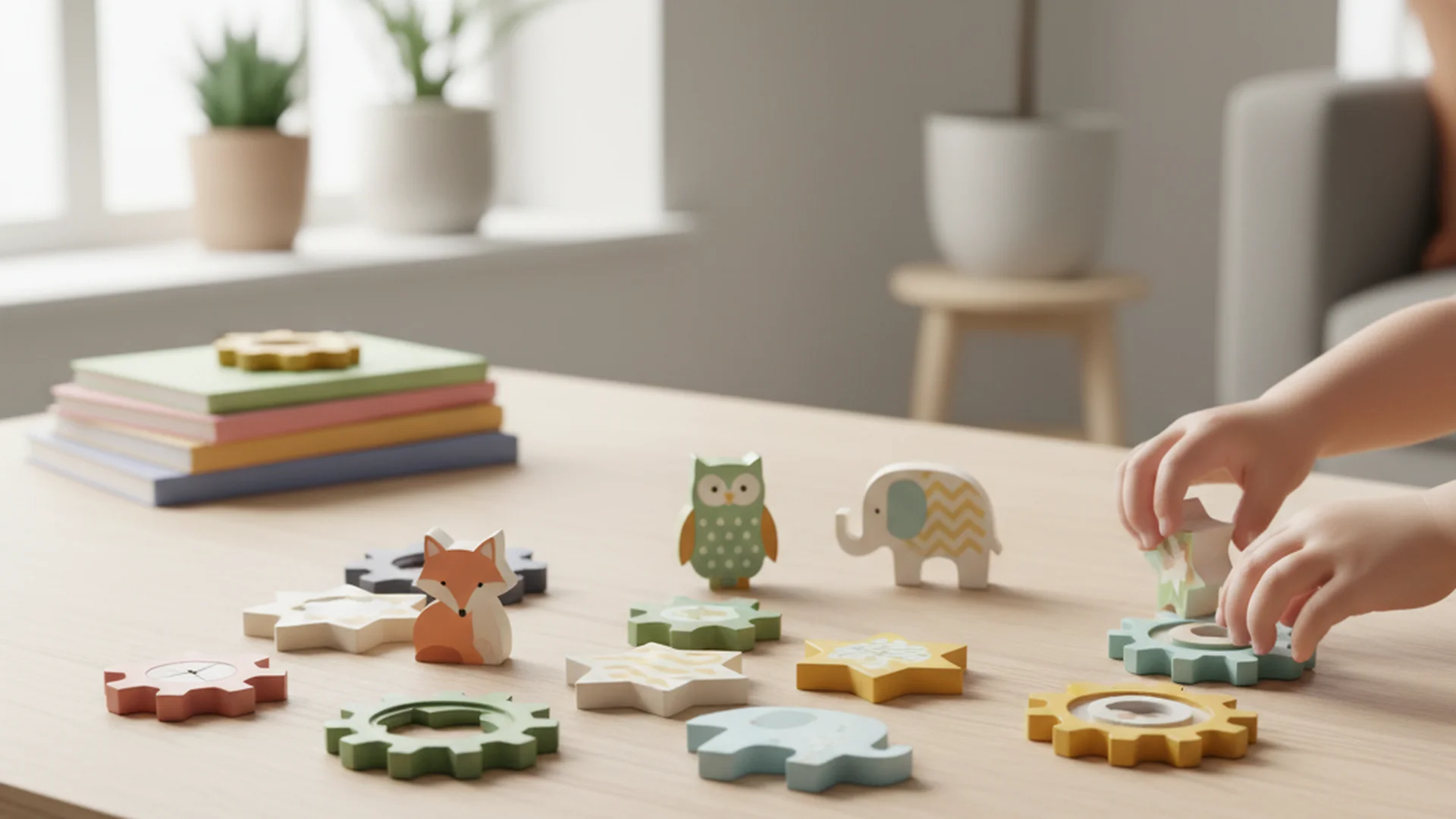
The transition from early childhood to the "tween" years marks a massive cognitive leap. Between the ages of 8 and 10, children move from concrete thinking to more abstract logical reasoning. This is the "Golden Age" for cognitive growth, making the selection of puzzles for 8-10 year olds a critical task for parents and educators. At this stage, a child isn't just looking for a way to pass the time; they are looking for mastery, strategy, and a sense of narrative accomplishment.
As we look toward the 2025-2026 landscape, the puzzle market is undergoing a radical transformation. With the global puzzle toy market projected to reach over $31 billion by 2026, the focus has shifted toward high-tech integration and sustainable materials. But beyond the gadgets, the core value of elementary school puzzles remains the same: building the mental stamina required for complex problem-solving.
The Science of the "Tween" Brain
Why is this specific age range so vital? According to research from LogicLike, regular puzzle play—even just 15 minutes a day—improves academic performance by reinforcing spatial reasoning and short-term memory. At age 8, the brain begins to refine its "working memory," the mental workspace used to hold and manipulate information.
However, we are also facing a "screen time crisis." By 2024, data showed that children in this age bracket spend over five hours a day on digital devices. This has led to an increased demand for "hybrid" or purely offline puzzles that offer the same hit of dopamine as a video game but with the tactile benefits of physical play.
Moving Beyond the Flat Jigsaw
A common frustration for parents is the feeling that their child is "aging out" of puzzles. In reality, they are usually just outgrowing the format. An 8-year-old who loved a 100-piece flat jigsaw at age 6 may find a 300-piece version of the same thing boring. To keep them engaged, you must introduce complexity through dimension and logic.
1. 3D and Kinetic Puzzles
In 2026, 3D puzzles have evolved far beyond simple foam structures. Brands like Ravensburger have pioneered gravity-fed marble runs and architectural models that require an understanding of physics and structural integrity. These are excellent puzzles for 8-10 year olds because they provide a functional reward upon completion.
2. Narrative-Driven Escape Room Kits
One of the biggest trends for 2026 is the "Escape Room in a Box." These kits turn a standard logic puzzle into a mystery. Instead of just fitting pieces together, the child must solve riddles to unlock the next "room" or envelope. This taps into the 8-10 year old's growing love for storytelling and roleplay.
3. Modular Logic Systems
Unlike a jigsaw that is "done" once it is built, modular systems like magnetic maze builders allow for endless replayability. These systems encourage kids to act as designers, creating their own challenges for friends or parents to solve.
Advertisement
The Strategy Playbook: Teaching Resilience
As a strategic gameplay analyst, I often see parents focus too much on the result and not the method. For an elementary student, the most valuable part of a puzzle is the frustration they feel right before they solve it. To help them navigate this, I recommend the Read → Plan → Try → Check → Reflect method.
| Phase | Action | Purpose |
|---|---|---|
| Read | Observe the pieces and the goal. | Gathering data and identifying patterns. |
| Plan | Group pieces by color, edge, or texture. | Developing a systematic approach. |
| Try | Test a hypothesis (e.g., "These are all sky pieces"). | Active experimentation. |
| Check | Does the piece actually fit, or are you forcing it? | Self-correction and critical thinking. |
| Reflect | Why did that work? What will we do next? | Metacognition (thinking about thinking). |
2026 Trends: AI, Sustainability, and Mindfulness
The puzzle landscape of 2026 is defined by three major shifts:
AI "Intelligent Companions"
New AI-integrated toys act as "puzzle peers." Rather than giving the answer, these companions use cameras to see the board and offer prompts like, "I see a blue piece near your left hand that might match that corner." This mimics the cooperative play of a parent without the power dynamic of a teacher.
Hybrid "Analog-Digital" Play
Using Augmented Reality (AR), children can build a physical Tangram or 3D model and then use a tablet to "unlock" a digital story. This bridges the gap between tactile play and the digital world they crave.
Sustainability and "Bio-Puzzles"
Modern parents are prioritizing the planet. Expect to see a surge in puzzles made from high-quality bamboo, recycled ocean plastics, and FSC-certified wood. These "Bio-Puzzles" often feature "softer aesthetics"—earth tones and natural textures designed to promote a state of "Creative Mindfulness" rather than the overstimulation of neon plastics.
Digital Options: When Screens Are Okay
While offline play is a priority, digital logic games have a place in a balanced "mental diet." Games like Sudoku or Minesweeper are incredible for practicing working memory. The key is to treat them as "micro-windows" of 20-30 minutes.
If your child enjoys digital puzzles, consider steering them toward Logic Puzzles or Word Logic Games. These provide the same cognitive benefits as physical puzzles but are accessible on the go.
Advertisement
Common Mistakes to Avoid
- Choosing based on age, not skill: Every child's "puzzle literacy" is different. If an 8-year-old is new to the hobby, a "Standard Age 8" 500-piece set will lead to immediate burnout. Start smaller to build their "win streak."
- Treating it as "Schoolwork": If a puzzle feels like an assignment, a 10-year-old will resist it. Keep it as a "social anchor"—something that sits on the coffee table for the whole family to contribute to during downtime.
- The "Solo Play" Myth: While puzzles are great for solo quiet time, the 2026 trend is moving toward cooperative logic games. Teamwork-based puzzles help develop communication skills and emotional intelligence.
Frequently Asked Questions
How long should my 8-year-old spend on puzzles daily?
Experts recommend two "micro-windows" of about 7-10 minutes, or one focused 15-20 minute session. This builds focus and concentration without reaching the point of mental fatigue where the child becomes frustrated and quits.
Is my child 'aging out' of puzzles?
No, they are likely just outgrowing the 2D format. Around age 8, many children lose interest in flat images and need the challenge of 3D construction, narrative mysteries, or strategy-based logic games.
Should I time my child to make it a challenge?
Generally, no. For children aged 8-10, speed pressure often results in "guessing" rather than "reasoning." It is better to celebrate the strategy they used (e.g., "I love how you grouped all the edge pieces first") rather than how fast they finished.
Are digital puzzle apps as good as physical ones?
Digital apps are excellent for practicing logic and pattern recognition (such as Sudoku). However, they do not provide the tactile "fine motor" development or the spatial reasoning involved in manipulating physical 3D objects. A mix of both is ideal.
My child gets frustrated easily. How can I help?
Use open-ended guidance. Instead of showing them exactly where a piece goes, offer a prompt: "Let’s look for a piece that has a bit of that red pattern on it." This keeps the sense of discovery in the child's hands.
Conclusion
The years between 8 and 10 are a transformative period for a child's mind. By providing the right puzzles for 8-10 year olds, you aren't just giving them a toy; you are providing a sandbox for them to practice the life skills of persistence, strategy, and critical thinking. Whether it's a high-tech AR-assisted model or a sustainable wooden Sliding Puzzle, the goal remains the same: fostering a lifelong habit of curiosity.
For more age-specific guides, check out our articles on Puzzle Games for Preschool 3-5 or explore the Cognitive Benefits of different game types.
Ready to Level Up?
Explore our collection of brain-teasing challenges today.
Put it into practice
Keep reading
Demographics
The Ultimate Guide to Puzzle Games for Teens 14-17: Logic, Strategy, and Digital Detox
Discover the best puzzles for teenagers aged 14-17. From high-complexity jigsaws to AR/VR logic games, explore how puzzling builds college-ready cognitive skills.
May 27, 2026 12 min
Demographics
The New Era of Mental Longevity: Best Puzzle Games for 50s
Discover how puzzles for 50s can reverse brain age by 3 years. Explore AI-personalized games, VR exergaming, and expert tips for cognitive health in middle age.
Aug 16, 2026 10 min
Demographics
The Ultimate Guide to Puzzle Games for Tweens 11-13: 2025 Edition
Explore the best puzzles for tweens ages 11-13. From 3D logic games to tech-integrated challenges, discover how middle school puzzles boost brain power and focus.
May 13, 2026 12 min
Advertisement