The Evolution of Themed Word Search Puzzles: From Animals to Deep Space
Explore the world of themed word search puzzles. Discover how themed grids improve cognitive health, educational retention, and the latest 2025-2026 puzzle trends.
By Free To Play Puzzles Editorial Team 12 min read
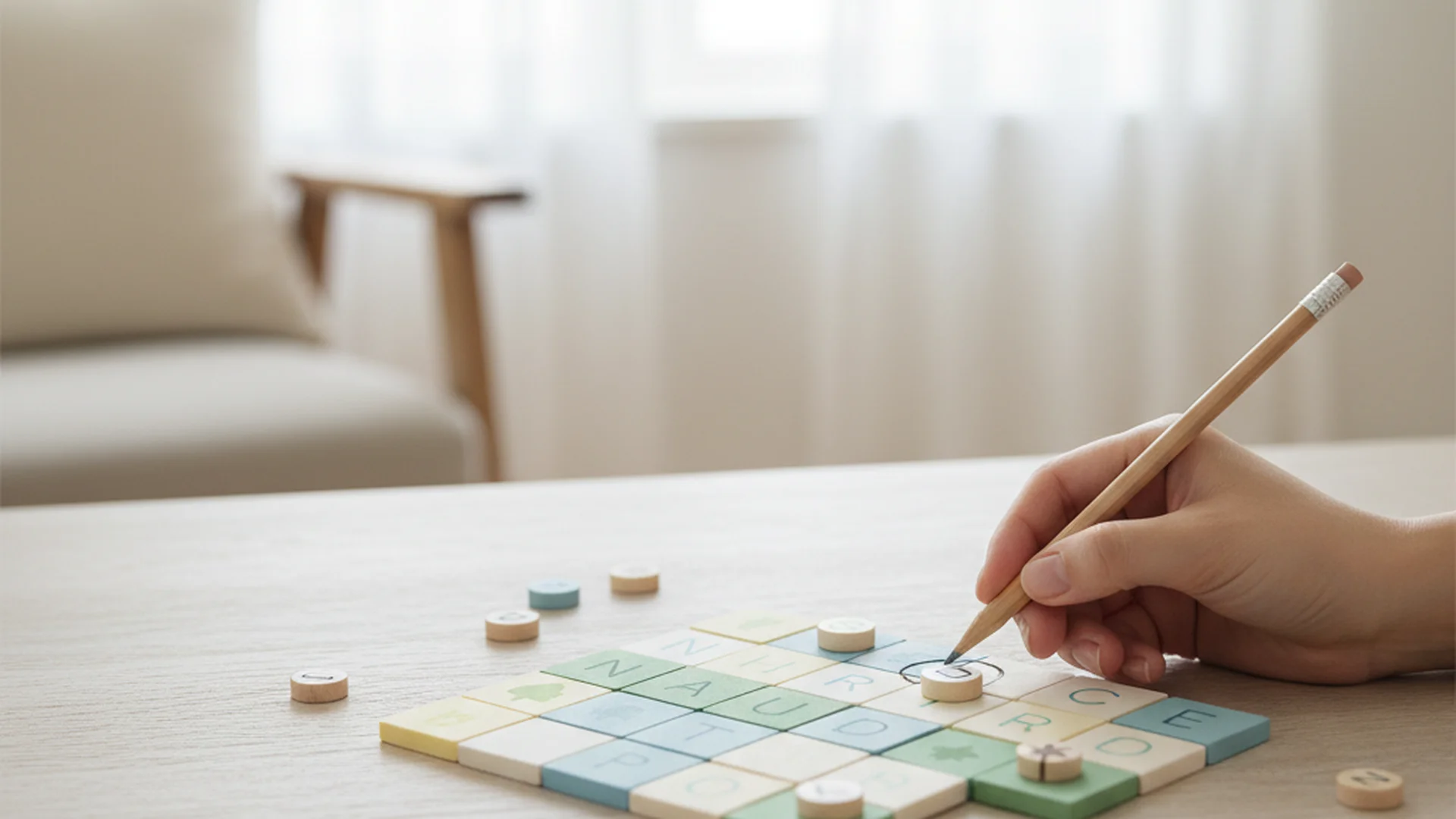
In the vast landscape of classic puzzles, the themed word search stands as a monolith of accessible yet deeply rewarding gameplay. Whether you are scanning a grid for exotic wildlife or hunting for the names of distant constellations, these puzzles offer a unique blend of relaxation and mental stimulation. As a retro gaming historian, I have watched the evolution of word-find mechanics move from simple newspaper fillers to sophisticated digital experiences that leverage advanced algorithms.
The modern word search is no longer just a random jumble of letters. It has become a targeted tool for education, a sanctuary for mindfulness, and a competitive arena for strategic thinkers. In this deep dive, we will explore why specific word search themes dominate the market, the science behind their cognitive benefits, and how the next generation of puzzles is being shaped by artificial intelligence.
The Humble Origins of the Word Search
While it feels like they have existed forever, the modern word search is a relatively recent invention. The first modern iteration was created by Norman E. Gibat and published in the Selenby Digest in Norman, Oklahoma, on March 1, 1968. Gibat wasn’t looking to revolutionize cognitive science; he simply wanted a hook to attract more readers to his local digest.
The simplicity of the "find and circle" mechanic caught on instantly. By the 1970s, syndicated word search puzzles were a staple of every major newspaper. Today, the broader global puzzle market, which includes crosswords and word searches, was valued at approximately $1.5 billion in 2024. Experts project this will reach $2.8 billion by 2031, growing at a steady pace as digital platforms bring these classic games to new generations.
Why Thematic Cohesion Matters
A generic word search is a mechanical exercise; a themed word search is an experience. Experts in puzzle design emphasize that thematic cohesion is the secret ingredient that keeps players returning. Instead of a broad "Animals" theme, modern designers recommend narrowing the focus to "Deep Sea Creatures" or "Arctic Mammals."
This niche focus provides a sense of "mini-learning." As you search for words like "Narwhal," "Beluga," and "Leopard Seal," your brain categorizes the information more effectively. For a deeper look at the mechanics behind these puzzles, check out our Word Search Puzzles: Complete Guide.
The Cognitive Advantage
The benefits of word searches extend far beyond killing time. A 2023 study highlighted that regular engagement with word searches supports spelling, word recognition, and reading fluency. For seniors, the impact is even more profound. Consistent puzzling is linked to a slower rate of cognitive decline and improved short-term memory.
In a classroom environment, the results are equally impressive. Students using themed word searches for vocabulary retention show a 20-30% higher recall rate compared to traditional rote memorization. This is because the brain must visualize the word, hold the spelling in working memory, and scan for patterns simultaneously.
| Skill | Cognitive Impact | Benefit |
|---|---|---|
| Pattern Recognition | High | Improved reading speed and fluency |
| Spatial Processing | Medium | Better mental rotation and navigation |
| Memory Encoding | High | Increased vocabulary retention |
| Focus & Attention | High | Enhanced task persistence |
Advertisement
Design Mechanics: What Makes a "Good" Puzzle?
Not all grids are created equal. As a strategic gameplay analyst, I look for specific markers that distinguish a professional puzzle from a poorly generated one. A standard, engaging puzzle typically contains between 10 and 20 words. Overcrowding a grid can make it visually overwhelming and reduce the "fun" factor, turning a hobby into a chore.
Grid Sizing and Difficulty Levels
The difficulty of a word search isn't just about the words chosen; it's about the geometry of the grid.
- Beginner (10x10 grid): Words are placed horizontally and vertically, forward-only. No diagonals.
- Intermediate (15x15 grid): Includes diagonal placements and a handful of backward (reverse) words.
- Advanced (20x20+ grid): Heavy use of backward and diagonal overlaps. Words can cross through multiple other words.
The Importance of Overlaps
Beginner designers often place words in "pockets," leaving them isolated with random filler letters. Professional design dictates that words should overlap. When the 'S' in "Space" is also the 'S' in "Saturn," the grid feels more integrated and the challenge increases. This overlapping creates a "dense" puzzle environment that rewards careful observation.
Real-World Examples of Popular Themes
To understand the versatility of the themed word search, let’s look at three popular categories and why they work.
1. The Animal Kingdom: "Endangered Species"
Instead of just "Cat" or "Dog," an endangered species theme uses words like "Vaquito," "Pangolin," and "Axolotl." This educates the player on global conservation efforts while they play. This thematic depth is why Printable Word Search Puzzles for Kids are such a hit in modern elementary education.
2. Space Exploration: "Mars Colonization"
With the real-world focus on Mars, themes like "Martian Geology" or "Rocketry" are trending. Words might include "Regolith," "Perseverance," and "Tharsis." This theme appeals to the "Cyberpunk" and "Technology" aesthetics currently trending in 2025.
3. Wellness and Mindfulness: "Forest Bathing"
A shift toward wellness has created a demand for puzzles featuring calming themes. "Shinrin-yoku" (forest bathing) puzzles include words like "Dappled," "Tranquility," and "Evergreen." These are often paired with larger fonts for ease of use, similar to what you might find in a Large Print Word Search.
Strategic Gameplay: How to Solve Like a Pro
If you want to move beyond the casual search, you need a strategy. Many players scan the grid haphazardly, but pros use a systematic approach.
- The Perimeter Scan: Designers often hide the longest words along the outer rows and columns to "hide them in plain sight."
- The Unique Letter Search: If you are looking for the word "Quasar," don't look for the 'A's. Look for the 'Q' or the 'Z'. These letters appear less frequently in the random filler.
- The "Finger Anchor" Method: Keep one finger on the word list and use your eyes to scan the grid in a "Z" pattern. This prevents you from losing your place.
For those looking to master the most difficult variations, understanding Backwards Words in Word Searches is essential, as reverse-hidden words are the primary way designers trick the human eye.
Advertisement
Future Trends for 2025–2026
The world of word search puzzles is not stagnant. We are entering an era of "Agentic AI Generation," where puzzles can be hyper-personalized. Imagine a puzzle generated instantly based on your family's history, a specific book you just finished, or a corporate training topic.
Shaped and Hybrid Puzzles
A major trend for 2025 on platforms like Amazon KDP is "Shaped" word searches. The grid itself is no longer a square but a shape—a heart for Valentine’s Day, a pumpkin for Halloween, or even a bear shape for a wildlife theme. Furthermore, "Digital/Physical Hybrids" are emerging. Modern puzzle books now include QR codes on every page that lead to interactive digital versions or "hint" videos for when you’re truly stuck.
The "Hidden Message" Feature
A highly requested feature for 2026 is the "Secret Phrase." Once all the words from the list are found, the remaining unused letters in the grid, when read from top-to-bottom and left-to-right, spell out a hidden message or trivia fact related to the theme. This adds an extra layer of satisfaction to the completion of the puzzle.
Common Mistakes to Avoid
Whether you are a player or a budding designer, avoid these common pitfalls:
- Ignoring the Word Bank: Some players try to find any word in the grid. This is inefficient. Stick to the list to ensure you are clearing the grid systematically.
- Spelling Inconsistency: In the design phase, always double-check spellings. A common error is a mismatch where "Cactus" is in the list but "Cactuss" is in the grid.
- Lack of Directional Variety: Beginners often forget to use all eight possible directions (N, S, E, W, and the four diagonals). A good puzzle should utilize the full 360 degrees of placement.
- The "Time-Filler" Myth: Don't treat the word search as "mindless." To get the full brain-training benefit, you should actively engage your spatial processing. For more tips on efficiency, see Word Search Strategies: How to Find Words Faster.
Frequently Asked Questions
Are word searches actually educational?
Yes. They are highly effective for teaching "pattern recognition" and "skimming/scanning" skills. These are core components of reading fluency and information processing.
What are the standard rules for word placement?
In a standard puzzle, words can be hidden horizontally, vertically, and diagonally. In intermediate and advanced puzzles, words can also be placed in reverse (backward).
How many words should a themed puzzle have?
For a balanced experience, 10 to 20 words are ideal. Fewer than 10 can feel too short, while more than 20 can make the grid look cluttered and visually tiring.
Can words overlap in a word search?
Yes, and they should! Overlapping letters between two or more words increases the difficulty and makes the grid feel more integrated and professionally designed.
What age is appropriate for word searches?
Word searches are highly adaptable. Simple 5x5 grids are excellent for children as young as 5 (helping with letter recognition), while complex 25x25 grids provide a significant challenge for adults.
Conclusion
The themed word search is much more than a simple game; it is a testament to the enduring power of classic puzzle design. From the first grid in 1968 to the AI-driven, eco-friendly versions of 2026, the core appeal remains the same: the satisfaction of finding order within chaos. By choosing specific word search themes, players can turn a relaxing pastime into a journey of discovery, whether they are exploring the depths of the ocean or the far reaches of space.
For seniors, these puzzles are a vital tool for brain health, and for students, they are a proven method for boosting vocabulary. As we move into the future of puzzling, the blend of physical and digital play ensures that the word search will remain a favorite for generations to come.
Ready to Challenge Your Mind?
Dive into our extensive collection of themed puzzles today and see how fast you can clear the grid.
Put it into practice
Keep reading
Word Search
Giant Word Search Puzzles: The Ultimate Guide to Mega Challenges
Discover the world of giant word search puzzles. Learn about world records, cognitive health benefits, and expert strategies for conquering massive grids.
Jan 18, 2026 10 min
Word Search
The Ultimate Guide to Printable Word Search Puzzles for Kids: Education Meets Play
Discover why printable word search kids love are essential for development. Learn about 2025 trends, age-appropriate designs, and cognitive benefits.
Aug 20, 2026 10 min
Word Search
Hollywood at Your Fingertips: The Ultimate Guide to Movie Word Search Puzzles
Explore the world of movie word search puzzles. Learn about cognitive benefits, 2026 film trends, and expert design tips for the ultimate Hollywood experience.
Aug 12, 2026 10 min
Advertisement