Mastering Puzzle Storage: Top Solutions for 2025 and 2026
Discover the best puzzle storage solutions to organize your collection, preserve pieces, and reclaim your space. Expert tips.
By Free To Play Puzzles Editorial Team 10 min read
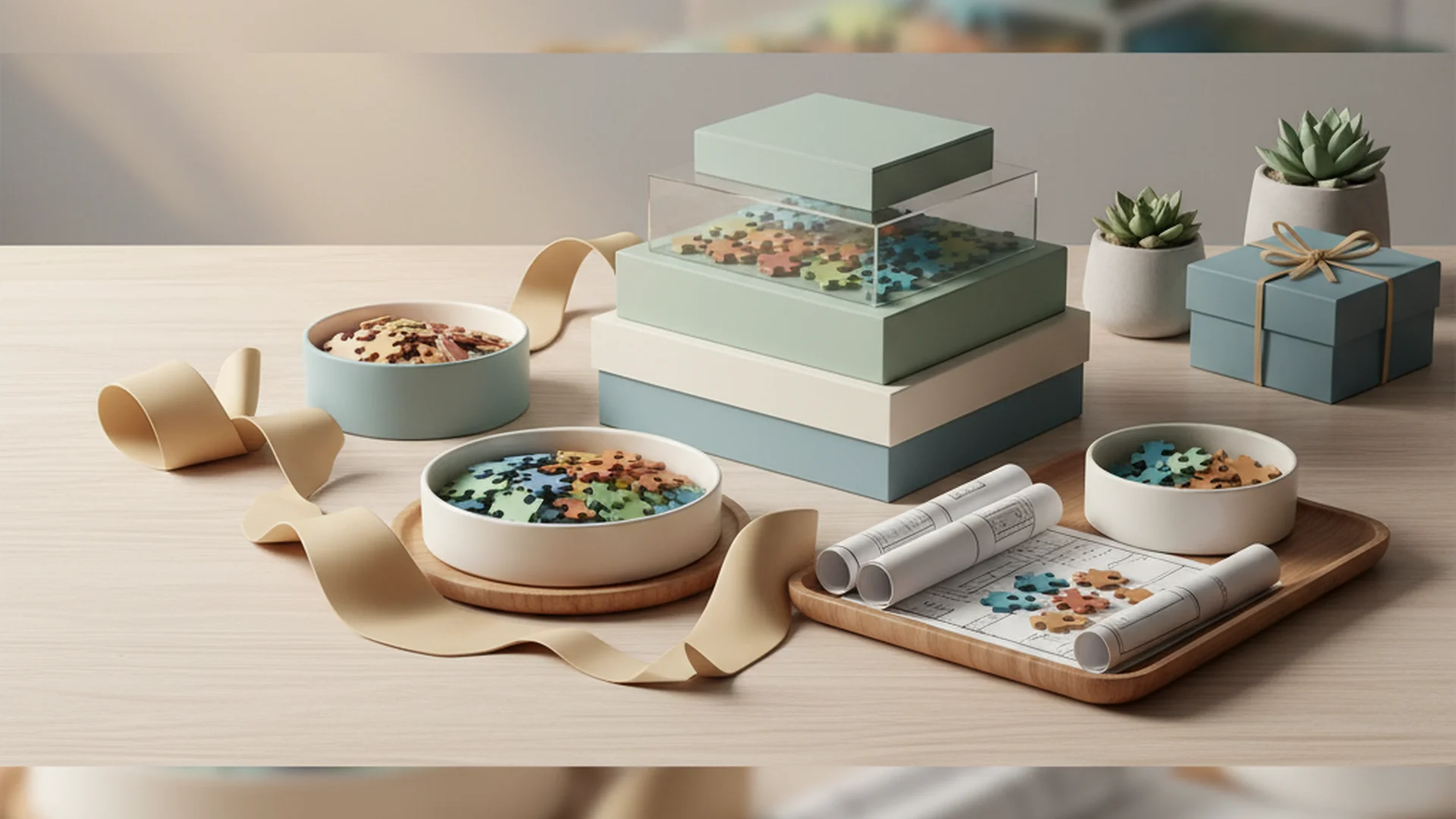
The "mental well-being" movement has transformed the way we interact with physical hobbies. Jigsaw puzzles are no longer just a rainy-day pastime; they are a vital tool for digital detox and cognitive maintenance. However, as your collection grows, the physical footprint of these brain-teasing games can become overwhelming. Effective puzzle storage is not just about tidiness; it is about preserving the tools that keep our minds sharp.
With the global jigsaw puzzle market projected to reach $3.5 billion by 2033, the demand for sophisticated ways to store puzzles has never been higher. Whether you are dealing with a 1,000-piece standard challenge or a premium wooden heirloom, how you manage your workspace and your archives determines the longevity of your collection.
The Foundation of Organization: Storing Completed and Unopened Puzzles
One of the most frequent questions enthusiasts ask is how to manage a large collection without sacrificing an entire room to cardboard boxes. The traditional method of stacking boxes horizontally often leads to "box crush," where the weight of the top puzzles causes the bottom lids to cave in, potentially damaging the pieces inside.
The Library Method: A Vertical Revolution
The most effective way to store your collection is vertically, similar to how you would arrange books on a shelf. This "Library Method" allows you to see every title at a glance and eliminates the pressure on the bottom boxes.
Reclaiming Space with Mesh Pouches
For those with limited shelving, keeping every original box may not be feasible. Many advanced hobbyists are now transitioning to zippered mesh pouches. By placing the pieces in a high-quality pouch and tucking the original box art (or a photo of it) inside, you can reduce the storage footprint by up to 80%.
Piece Security and Bagging
Never leave loose pieces rattling inside a box. Always place pieces in a resealable Ziploc or silicone bag before storing them. This prevents the tragic loss of a single piece if a box is dropped or if the lid pops open during a move.
Managing the "In-Progress" Puzzle
The "dining table takeover" is a common source of household friction. Finding a way to pause your progress without losing your work is essential for long-term enjoyment. As our look at Puzzle Benefits shows, the ability to engage in "micro-sessions"—puzzling for 15 minutes at a time—is key to reducing stress. This is only possible with the right setup.
Puzzle Mats vs. Puzzle Boards
There are two primary ways to handle a puzzle in progress:
- Roll-up Mats: These use a felt surface and an inflatable or foam tube. They are excellent for portability but require a specific technique to be effective.
- Rigid Puzzle Boards: These are flat surfaces (often with drawers) that can be slid under a sofa or bed.
| Feature | Roll-up Mats | Rigid Boards |
|---|---|---|
| Portability | High (can travel) | Medium (room to room) |
| Stability | Moderate | High |
| Storage | Vertical or Horizontal | Horizontal only |
| Sorting | None integrated | Usually includes drawers |
The Rise of Rotating Boards
A significant trend for 2025 is the "Lazy Susan" style rotating board. These are particularly useful for families or groups, as they allow multiple people to work on the same section from different angles without having to physically move seats. This supports the social aspect of Brain Training through collaborative problem-solving.
Advertisement
Preservation and Climate Control
Because most puzzles are made of porous materials—specifically cardboard and the increasingly popular FSC-certified wood—they are highly susceptible to environmental factors.
Humidity and Temperature
Storing your collection in a basement or attic is a recipe for disaster. High humidity causes cardboard to swell and delaminate, while extreme heat can make it brittle.
UV Protection
Direct sunlight is another "puzzle killer." UV rays cause the high-quality inks used in modern puzzles to fade over time. Always ensure your storage area is away from windows. If you choose to display a finished puzzle, use UV-resistant glass or acrylic in your frame.
Trends for 2025–2026: The Future of Storage
The industry is moving toward a blend of functionality and interior design. We are seeing a shift away from plastic-heavy solutions toward sustainable, multifunctional items.
- Multifunctional Furniture: Coffee tables with hidden "flip-top" surfaces are becoming mainstream. These allow you to keep a 1,000-piece puzzle in progress beneath a functional tabletop.
- Physical-Digital Hybrids: New storage cases coming in 2026 feature QR codes on the exterior. Scanning these allows collectors to log their completion time, track missing pieces, or access digital "hints" through community leaderboards.
- Premium Portfolios: For the traveling puzzler, high-end felt-lined portfolio cases (like the Portapuzzle) are being redesigned with lighter, waterproof outer shells to protect against the elements.
If you are looking for the perfect gift for an enthusiast, these modern solutions are often featured in our Puzzle Gift Guide.
Common Mistakes to Avoid
Even seasoned collectors fall into habits that can ruin a puzzle over time. Avoid these five common pitfalls:
- Direct Sunlight Exposure: As mentioned, this leads to irreversible color fading.
- Relying on "Friction Fit": Never assume a mat will hold pieces by magic; the tension of the roll is what provides the security.
- Using Permanent Glue Prematurely: Many people believe glue is the only way to save a puzzle. However, 2025 trends show a shift toward non-permanent adhesive sheets. These allow you to display the work but preserve the ability to disassemble it later if you wish to gift it or participate in Puzzle Subscription Boxes swaps.
- Not Cleaning Pieces: Before storing a completed puzzle, give the pieces a quick wipe with a lint-free cloth. Skin oils and dust can attract pests or lead to mold growth during long-term storage.
- Overcrowding Shelves: Forcing boxes into a tight space can split the corners of the box. If you must stack them, use acid-free tissue paper between boxes to prevent them from sticking together in humid weather.
Advertisement
Frequently Asked Questions
How do I store a 1,000-piece puzzle without the bulky original box?
The most space-efficient method is using zippered mesh pouches or letter-sized plastic document holders. Cut out the image from the original box to use as a reference, or scan it and store the digital file. Place the pieces in a sealed bag inside the pouch to ensure nothing is lost.
What is the best way to store an in-progress puzzle?
For most people, a rigid puzzle board with sorting drawers is the best solution. It provides a stable surface for the puzzle and allows you to organize pieces by color or edge. These boards can usually be slid under a couch, keeping your dining table clear.
Should I glue my puzzle or use adhesive sheets?
If you want to preserve the puzzle forever, glue is a classic choice. However, if you want to retain the value of the puzzle or possibly re-do it in the future, adhesive sheets are superior. They stick to the back of the puzzle, holding it together without damaging the front print.
How can I prevent puzzle pieces from warping?
Keep your puzzles in a dry, cool area. Avoid garage or basement storage. If you are worried about humidity, place a small desiccant pack (silica gel) inside the box or storage pouch to absorb excess moisture.
Are wooden puzzles stored differently than cardboard ones?
Wooden puzzles are more durable but also more prone to expansion and contraction with temperature changes. It is even more critical to keep wooden puzzles in a climate-controlled room to prevent the wood from cracking or the "fit" from becoming too loose.
Conclusion
Effective puzzle storage is an investment in your cognitive health. By organizing your collection, you reduce the "barrier to entry" for your next session, making it more likely that you will reap the Cognitive Benefits of this rewarding hobby. From the Library Method of vertical stacking to the high-tech rotating boards of 2026, the right storage solution will protect your pieces and your peace of mind.
Looking for your next challenge?
Discover the best puzzles and accessories to grow your collection.
Put it into practice


Keep reading
Gift Guides
15 Best Puzzle Gifts Under 20: Budget-Friendly Brain Teasers for 2025
Discover the best puzzle gifts under 20. From sustainable jigsaws to Hanayama metal brain teasers, find high-quality, affordable gifts for adults and kids.
Oct 2, 2026 12 min
Gift Guides
Best Puzzle Gifts 2025: The Ultimate Guide for Every Solver
Discover the best puzzle gifts 2025 has to offer. From AR-integrated jigsaws to mechanical wooden boxes, explore top puzzle presents for enthusiasts of all ages.
Jul 8, 2026 12 min
Gift Guides
2025 Guide to Puzzle Stocking Stuffers: Small Gifts, Big Challenges
Discover the best puzzle stocking stuffers for 2025. From micro jigsaws to retro handhelds, find the perfect small puzzle gifts for all ages.
May 21, 2026 10 min
Advertisement