The Ultimate Guide to Puzzle Leaderboards: From Jigsaws to Digital Mastery
Explore the competitive world of puzzle leaderboards. Learn speed puzzling secrets, digital ranking benchmarks, and expert strategies to climb the global rankings.
By Free To Play Puzzles Editorial Team 10 min read
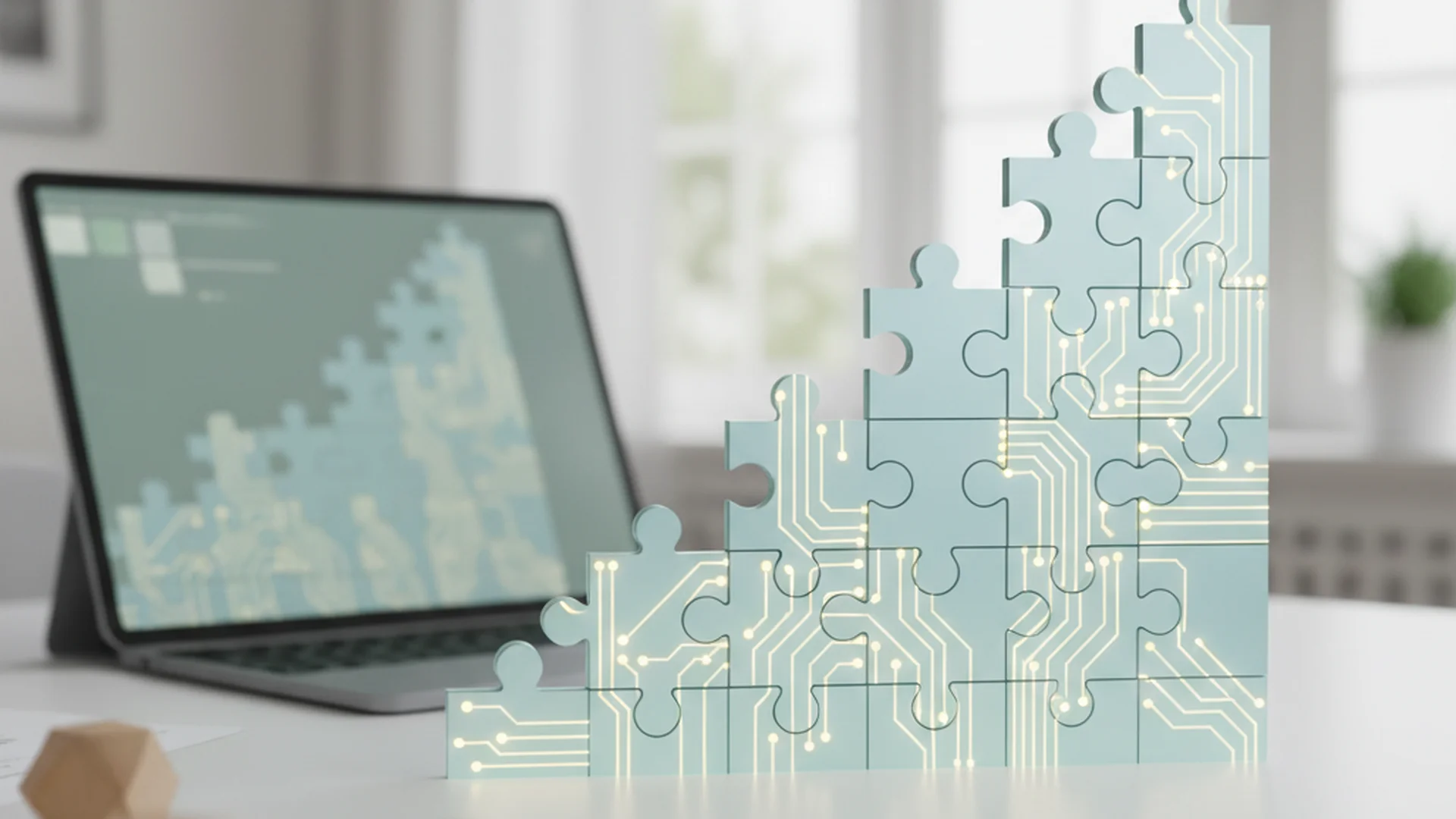
The image of a solitary hobbyist hunched over a coffee table for weeks is being replaced by a high-octane, adrenaline-fueled reality: speed puzzling. Today, puzzle leaderboards are the digital and physical arenas where "mind athletes" battle for seconds, pushing the limits of human pattern recognition and spatial reasoning. Whether you are aiming for the top of a Leaderboards page on a gaming site or looking to climb the [competitive puzzle rankings] of the USA Jigsaw Puzzle Association, the landscape has never been more vibrant—or more challenging.
In this guide, we will break down exactly what it takes to transition from a casual solver to a ranked competitor, exploring the metrics, the technology, and the techniques that separate the enthusiasts from the elites.
The Competitive Puzzling Landscape
Competitive puzzling, once a niche activity, has matured into a regulated sport. Organizations like the World Jigsaw Puzzle Federation (WJPF) and the USA Jigsaw Puzzle Association (USAJPA) have standardized how we track skill.
Physical Jigsaw Rankings (JPAR)
For physical puzzles, the gold standard is the JPAR (Jigsaw Puzzle Association Rating). Much like a golf handicap or a chess Elo, JPAR provides a snapshot of your speed relative to the field.
- JPAR < 1.0: You are faster than the average competitive member.
- JPAR > 1.0: You are currently solving at a pace slower than the average member.
The 2025 USA Jigsaw Nationals in Washington, D.C., recently saw over 1,000 unique participants, proving that the desire to see one's name on a leaderboard is at an all-time high.
Digital Leaderboards and "Puzzle Rush"
On the digital front, platforms like Chess.com have revolutionized tactical puzzling. Their "Puzzle Rush" feature tracks how many tactical problems a user can solve in a set timeframe. With top scores exceeding 65,000 points, these puzzle leaderboards often require years of pattern recognition training.
Benchmarking Your Performance
To understand where you stand on the competitive puzzle rankings, you need to know the industry benchmarks. Speed is measured in "Pieces Per Minute" (PPM) or total completion time for standard sizes.
| Category | Fast | Highly Competitive | Professional Level |
|---|---|---|---|
| 500-Piece (Individual) | Under 1:30:00 | Under 1:00:00 | Under 0:40:00 |
| 500-Piece (Pairs) | Under 0:45:00 | Under 0:30:00 | Under 0:23:00 |
| 1,000-Piece (Teams) | Under 1:45:00 | Under 1:15:00 | Under 0:50:00 |
As a retro gaming historian, I see parallels between these times and the "perfect runs" in classic arcade titles. For instance, achieving a high score in Tetris or mastering 2048 High Score Tips requires the same "flow state" that top jigsaw puzzlers achieve.
Advertisement
Expert Strategies for Climbing the Ranks
Climbing a leaderboard isn't just about moving your hands faster; it's about optimizing every micro-movement.
The Two-Handed Technique
Most casual puzzlers use one hand to pick up a piece and the other to stabilize the board. Professionals train their non-dominant hand to act as a "feeder," flipping pieces face-up or pre-orienting them while the dominant hand makes the final placement.
Efficient Sorting: The 6-Minute Rule
In a 500-piece competition, you should aim to have every piece flipped face-up and your edges identified in under 4–6 minutes.
Physical Conditioning
It may sound surprising, but top competitors recommend core exercises. A 1,000-piece marathon can take hours of standing. If your back or shoulders fatigue, your mental processing speed will drop. Experts recommend standing while solving to provide a better overhead view and allow for faster movement around the table.
Digital Trends and Technology (2025-2026)
The world of Logic Puzzles and digital platforms is currently undergoing a massive shift.
The Great Rating Reset
In October 2025, Chess.com implemented a major puzzles rating reset. This was designed to combat "rating inflation." Many users saw significant point drops, but the result is a leaderboard that more accurately reflects tactical skill. This move highlights a trend in technology: the shift toward more rigorous, anti-cheat-focused ranking systems.
The Mobile Surge
2025 has seen a 189% year-over-year growth in Mahjong Solitaire and Tile Match game leaderboards. This suggests a move toward "hybrid-casual" competitive puzzling. Players are no longer just looking for a distraction; they want to see how they rank against the world. If you're looking for the best places to compete, check out our list of the Best Puzzle Websites 2025.
Common Mistakes to Avoid
Even seasoned solvers can fall into traps that prevent them from reaching the upper echelons of puzzle leaderboards.
- The "Border First" Trap: While your grandmother probably taught you to always start with the border, professionals may skip it. If the interior of the puzzle has a high-contrast focal point (like text or a bright animal), it is often faster to anchor the puzzle there.
- The "Hardest Task" Myth: In pair competitions, people often assume the faster solver should tackle the hardest section. This is a mistake. Experts argue the faster solver should take the easiest section to finish it as quickly as possible, allowing the pair to merge their work and tackle the remaining pieces together.
- Over-Touching Pieces: A frequent mistake is picking up the same piece multiple times. Elite solvers train to "see it, then place it." If you aren't 90% sure where it goes, don't pick it up.
- Misinterpreting Digital Ratings: Remember that a 3000 puzzle rating in chess does not mean you are a Grandmaster. Digital puzzles allow for infinite thinking time, whereas live matches (and speed puzzling) require immediate execution.
Advertisement
Frequently Asked Questions
How do I get on an official leaderboard?
For jigsaw puzzles, join a sanctioned organization like the USAJPA or WJPF. Once you compete in an official event, you will receive a JPAR score. For digital puzzles, you typically just need to play "Rated" modes on platforms like Chess.com or specialized puzzle sites.
Can I compete online?
Yes. While the World Championships are held in person (often in Spain), sites like SpeedPuzzling.com host monthly Zoom-based contests where you can compete from your own living room.
Do I need to be a professional to join?
Absolutely not. The puzzling community is often described as "The Great British Bake Off" of sports—friendly, supportive, and welcoming to "Newbie" divisions.
What is a "good" JPAR score?
A JPAR below 1.0 is the goal for most competitive solvers. It indicates you are performing above the median of the competitive community.
What are the future goals for the sport?
The USAJPA has announced a goal to host at least one sanctioned in-person contest in all 50 U.S. states by 2026, making it easier than ever to get an official ranking.
Conclusion
The world of puzzle leaderboards is a testament to the human drive for improvement. From the physical 500-piece sprints to the tactical depth of digital puzzle ratings, there is a community and a ranking system for everyone. By focusing on efficient sorting, physical ergonomics, and avoiding common strategic traps, you can begin your ascent up the competitive puzzle rankings.
Whether you are training for the 2026 Nationals or just trying to beat your personal best in a Sudoku app, remember that every piece placed is a step toward mastery.
Ready to Rank Up?
Join the global community of solvers and start your journey to the top of the leaderboards today.
Put it into practice

Keep reading

Technology
The Ultimate Puzzle Technology Guide: Navigating Apps, Devices, and Digital Gaming
Explore the 2025-2026 landscape of puzzle technology. From AI-generated logic games to AR jigsaws, learn how tech is transforming the way we solve.
Jan 28, 2026 12 min
Technology
The Ultimate Guide to Puzzle Browser Extensions: Cognitive Training in Your Toolbar
Explore the evolving world of puzzle browser extensions in 2025. Learn about security, performance optimization, and the best ways to train your brain while you work.
Sep 18, 2026 10 min
Technology
The Ultimate Guide to Puzzle Apps Without Ads: Cognitive Benefits and Best Picks for 2026
Discover the best puzzle apps no ads for 2025-2026. Explore premium, open-source, and subscription-based ad-free brain games we recommend.
Apr 10, 2026 12 min
Advertisement