Patience Building Puzzles: Helping Kids Develop Frustration Tolerance
Discover how patience puzzles for kids can improve focus, emotional regulation, and school readiness. Learn expert techniques to build frustration tolerance today.
By Free To Play Puzzles Editorial Team 12 min read
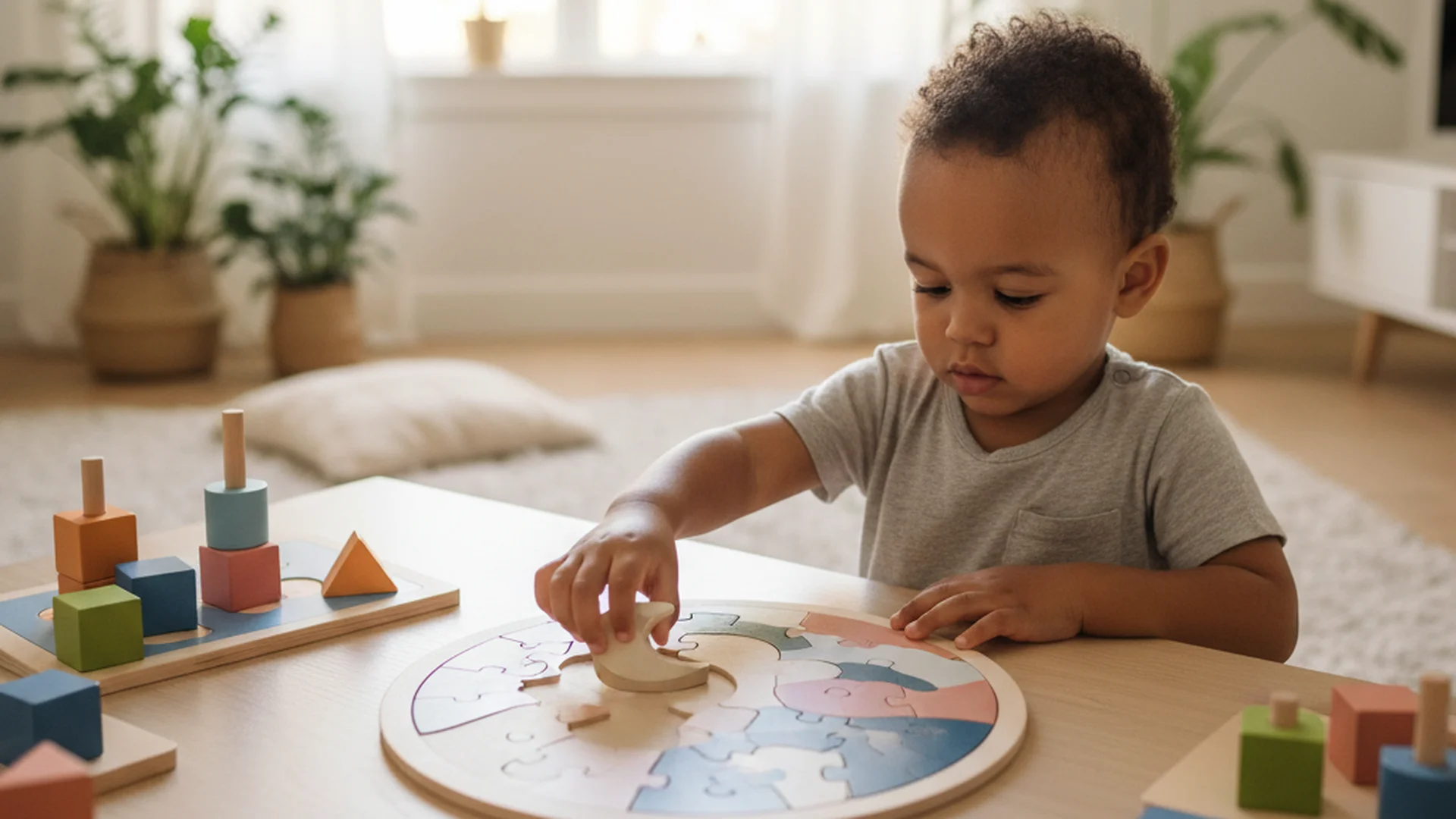
In a world of instant gratification and high-speed internet, the ability to wait—and wait gracefully—has become a rare superpower. For many parents, watching a child encounter a difficult task often leads to a predictable sequence: a furrowed brow, a heavy sigh, and the inevitable "I can't do this!" followed by a discarded toy. However, using patience puzzles kids can naturally transition from these moments of high frustration to periods of deep, focused engagement.
Patience is not just a personality trait; it is a biological and cognitive skill that requires deliberate practice. By introducing patience puzzles kids can interact with, we provide them with a safe environment to fail, iterate, and eventually succeed. This process, often called "frustration tolerance," is a cornerstone of emotional intelligence and long-term academic success.
The Science of Puzzles and the Developing Brain
Puzzles are far more than simple entertainment. They serve as a fundamental training ground for the prefrontal cortex—the part of the brain responsible for executive functions like impulse control, planning, and focus.
Cognitive Foundations and School Readiness
According to research published by Verdine et al. (2014), puzzle play significantly enhances a child’s problem-solving ability, spatial reasoning, and memory. These aren't just isolated skills; they are the building blocks of mathematics and engineering. Furthermore, Blair & Raver (2015) established that sustained attention during puzzle-solving is a primary driver of executive function skills. Their longitudinal studies link these skills directly to higher levels of school readiness. When a child learns to sit with a difficult puzzle, they are essentially practicing the same focus required to sit through a classroom lesson later in life.
Neurological Impact of Dual-Brain Activity
Jigsaw puzzles and Logic Puzzles offer a unique neurological benefit: they activate both the left and right hemispheres of the brain simultaneously. The left brain works on the logical sequence and sorting of pieces, while the right brain visualizes the "big picture" and creative connections. This creates new neurological pathways, improving visual processing speed and logical thinking.
Why Children Struggle with Frustration
Understanding why children give up is the first step in helping them stay the course. Most children have what psychologists call a "jumping mind." Because they are naturally egocentric and focused on their immediate surroundings, long-term goals (like finishing a 500-piece puzzle) feel abstract and unattainable.
The Influence of Modern Tech
Modern influences, particularly the instant rewards offered by screens and apps, can shorten a child’s natural attention span. When a tablet gives a reward every three seconds, a physical puzzle that takes thirty minutes to complete can feel like an eternity. This is why incorporating frustration tolerance games into a daily routine is vital for counteracting the "instant-gratification loop."
Distraction as a Coping Tool
A common question parents ask is: "Is it 'tricking' my child if I use distraction to help them wait?" The answer is a resounding no. Child psychologists view distraction as a lifelong coping skill. If a child is waiting for a specific piece or a turn, teaching them to count all the blue pieces or find all the "edge" pieces gives them a sense of agency over their own impatience.
Advertisement
Expert Techniques for Stretching the "Waiting Muscle"
As a logic instructor, I have seen that the most successful children aren't the ones who find the puzzles easy; they are the ones who have the tools to handle being stuck.
The "Patience Stretching" Technique
Don't expect a child to wait five minutes on day one. Start with "Patience Stretching." When a child asks for a piece or help, ask them to wait for just 10 seconds. Gradually increase this time over weeks. This builds the neurological "waiting muscle" without triggering a full meltdown.
The 90/10 Rule of Difficulty
To build frustration tolerance, you must find the "Sweet Spot" of difficulty.
- 90% Independence: The child should be able to solve 90% of the puzzle on their own.
- 10% Struggle: The remaining 10% should require significant effort or a new strategy. If a puzzle is too easy, they won't build tolerance. If it is too hard, they will feel defeated and avoid puzzles in the future.
Modeling "Zen" Frustration
Children are like sponges for emotional reactions. If you, as the adult, get frustrated when you can't find a piece, they will mirror that behavior.
Celebrating the Effort
Shift your praise from the result to the process. Instead of "Great job finishing it," try: "I noticed how you didn't give up even when you couldn't find the edge piece. That was really patient of you." This reinforces that the waiting and trying are the achievements, not just the final picture.
The Future of Puzzles: Trends for 2025 and 2026
The world of puzzles is evolving. In 2025-2026, we are seeing a shift toward blending physical play with high-tech assistance and eco-conscious manufacturing.
AR and AI-Adaptive Play
AR/VR "Living" Puzzles are surging in popularity. These are physical jigsaws that, once completed, can be viewed through a tablet to unlock animations or digital games. This provides a "long-range" reward that keeps children motivated to finish.
Furthermore, AI-Adaptive Difficulty is changing how children interact with apps. Modern smart puzzle apps monitor "frustration markers"—such as rapid, random tapping or long pauses—to offer a gentle hint or adjust the challenge level in real-time, preventing the child from reaching a breaking point.
Sustainable and Sensory Materials
There is a major industry shift toward "Eco-Mindful" materials like bamboo, cork, and high-density recycled plastics. Beyond being "green," these materials often offer better tactile feedback. New tactile puzzles include sandpaper textures or raised ridges, which help sensory-seeking children stay engaged for longer periods, naturally extending their patience.
| Trend | Benefit | Best For |
|---|---|---|
| AR Living Puzzles | Long-term motivation | Tech-focused kids |
| AI-Adaptive Apps | Prevents meltdowns | Easily frustrated kids |
| 3D Puzzle Lamps | Long-term pride/decor | Older children (8+) |
| Bamboo/Cork | Sensory engagement | Tactile learners |
Recommended Games to Build Tolerance
Not all puzzles are created equal when it comes to patience. Here are specific types to incorporate:
- Montessori "Self-Correcting" Puzzles: These are puzzles that only fit one way. They allow children to identify and fix their own mistakes without adult intervention.
- Tangrams: Using geometric shapes to create a specific silhouette requires high levels of spatial reasoning and patience. Try our Tangram game for a digital introduction.
- Sudoku: For older children, Sudoku is the ultimate patience builder, as it requires a "process of elimination" mindset.
- Cooperative Puzzles: Working on a large floor puzzle as a family teaches "social patience"—waiting for a partner to find a piece before you can move on.
Advertisement
Common Mistakes to Avoid
Even the most well-meaning parents can accidentally sabotage their child's patience-building.
1. Lecturing instead of Playing
Telling a child to "be patient" is an abstract command they often don't understand. Instead of lecturing, play a game like "Take Turns Tower" with blocks. Showing them how to wait for their turn in a game is much more effective than explaining the concept of patience verbally.
2. Over-Assisting
The moment a child sighs, many parents jump in to "fix" the puzzle. This prevents the "productive struggle." Unless the child is about to have a complete emotional breakdown, let them struggle for a minute. That struggle is where the learning happens.
3. High-Stakes Environments
Never try to build patience when you are in a rush to leave the house or when the child is hungry or tired. Patience building should happen during "low-stakes" playtime when the child is well-regulated.
4. The "Innate Trait" Misconception
Many parents believe kids are born either "easygoing" or "difficult." In reality, patience is a skill—much like reading or riding a bike—that requires regular, intentional practice.
Frequently Asked Questions
At what age can I start teaching patience?
Experts suggest starting as early as toddlerhood (ages 1–3) with simple turn-taking and one-piece puzzles. This introduces the concept of "waiting" in very small, manageable doses. For more on early development, see our guide on Toddler Puzzle Development.
Why does my child give up so quickly on complex tasks?
This is usually due to a lack of "executive function" maturity or a reliance on instant-gratification loops from digital media. It can also happen if the puzzle's difficulty is significantly higher than the child's current skill level (violating the 90/10 rule).
Can apps actually help with patience?
Yes, provided they are designed correctly. Apps that require focus, listening, and multi-step logic—rather than just fast-twitch clicking—can be excellent tools. Games like Minesweeper or Nonogram are great examples of digital games that reward slow, methodical thinking.
Is my child "behind" if they can't sit still for a 20-piece puzzle?
Not necessarily. Every child develops at their own pace. Focus on the improvement of their attention span rather than comparing them to a specific milestone. If they can sit for 2 minutes today and 3 minutes next week, that is a success.
Conclusion
Building patience is a journey, not a destination. By using patience puzzles kids enjoy, we are giving them more than just a way to pass the time; we are giving them the emotional tools to handle life's inevitable frustrations. Whether it's a physical jigsaw, a Sliding Puzzle, or a complex 3D lamp project, the act of staying with a task until it's finished is one of the greatest gifts a child can receive.
Remember to model the behavior you want to see, choose puzzles that provide a "productive struggle," and always celebrate the effort over the result. Over time, that "jumping mind" will settle into the focused, resilient mind of a confident problem-solver.
Ready to Start?
Explore our collection of logic and focus-building games today.
Put it into practice
Keep reading
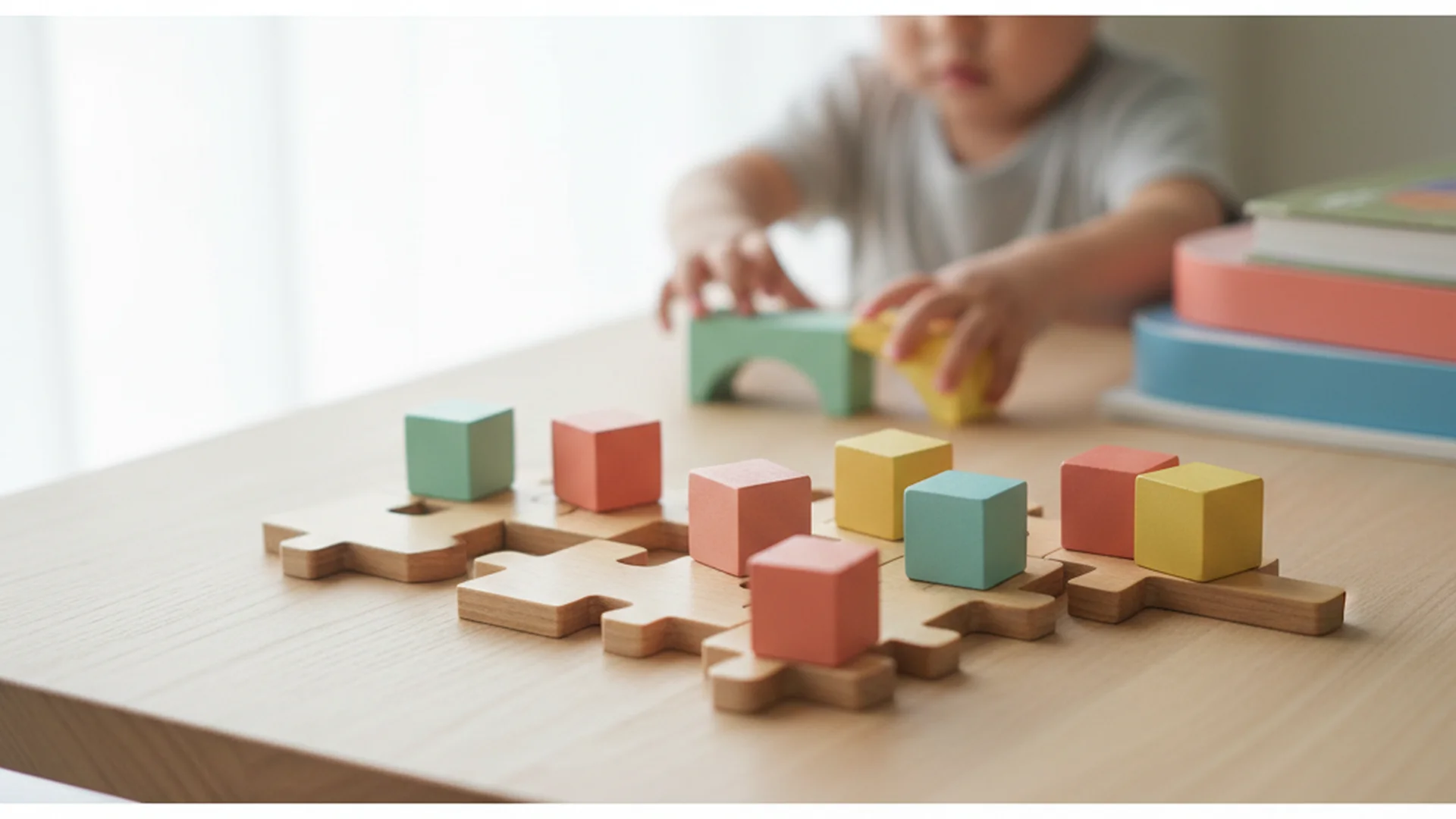
Child Development
The Ultimate Guide to Problem Solving Puzzles for Kids: Building Critical Thinkers
Discover how problem solving kids can master critical thinking through puzzles. Explore 2025 trends, expert strategies, and the cognitive benefits of logical play.
Feb 11, 2026 12 min
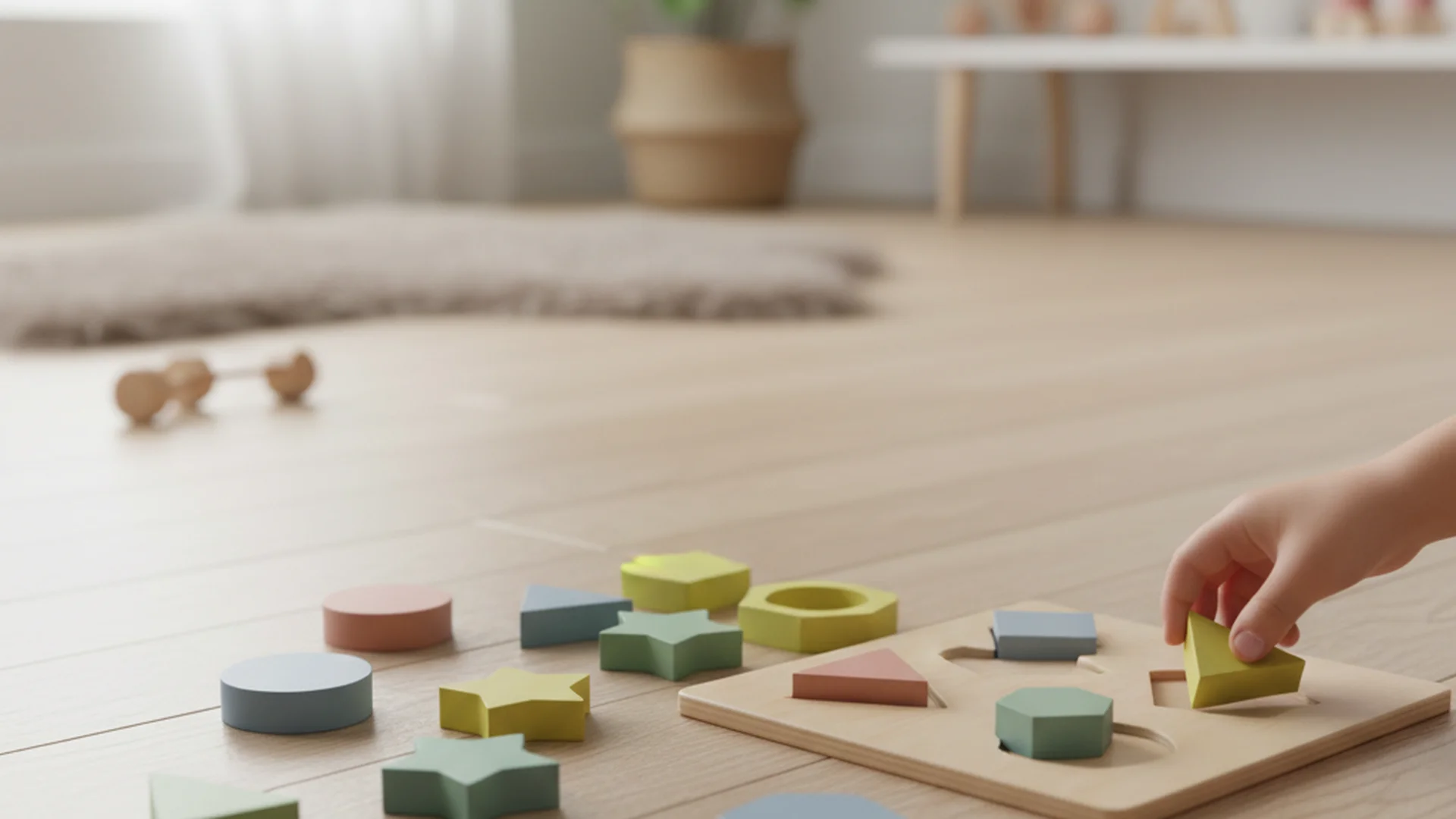
Child Development
Why Shape Puzzles for Kids are the Secret to Early STEM Success
Discover why shape recognition puzzles are vital for cognitive development. Learn how geometric shapes games build STEM skills and spatial reasoning.
Jul 5, 2026 10 min
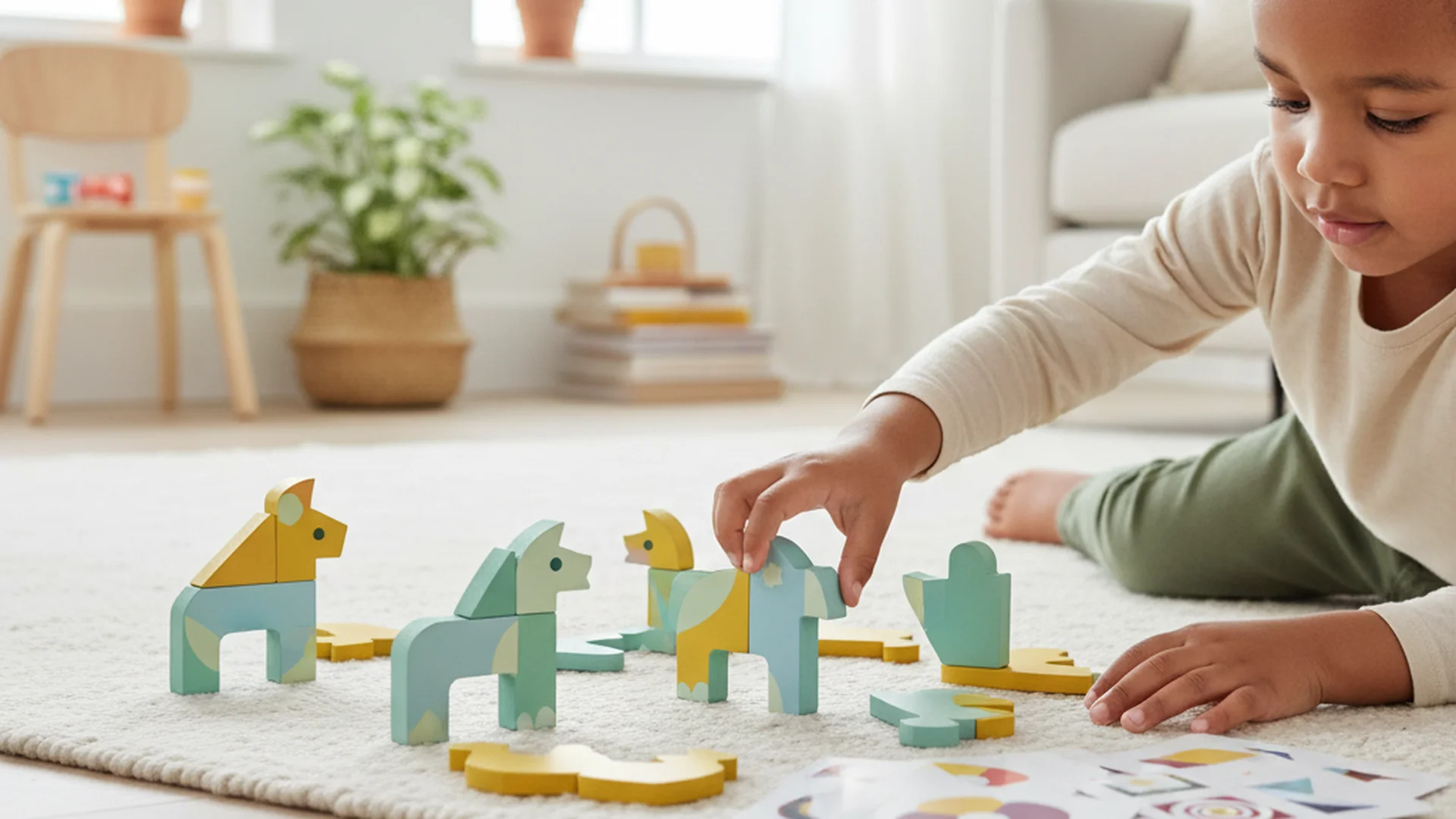
Child Development
Visual Perception Puzzles for Kids: Strengthening the Brain-Eye Connection
Discover how visual perception puzzles and games boost literacy, motor skills, and cognitive development in children. Expert advice.
Dec 17, 2024 12 min
Advertisement