Family Game Night Ideas: The Ultimate Guide to Bonding Through Play
Transform your family time with creative game night ideas for all ages. Expert tips on organizing, game selections, and making lasting memories together.
By Free To Play Puzzles Editorial Team 11 min read
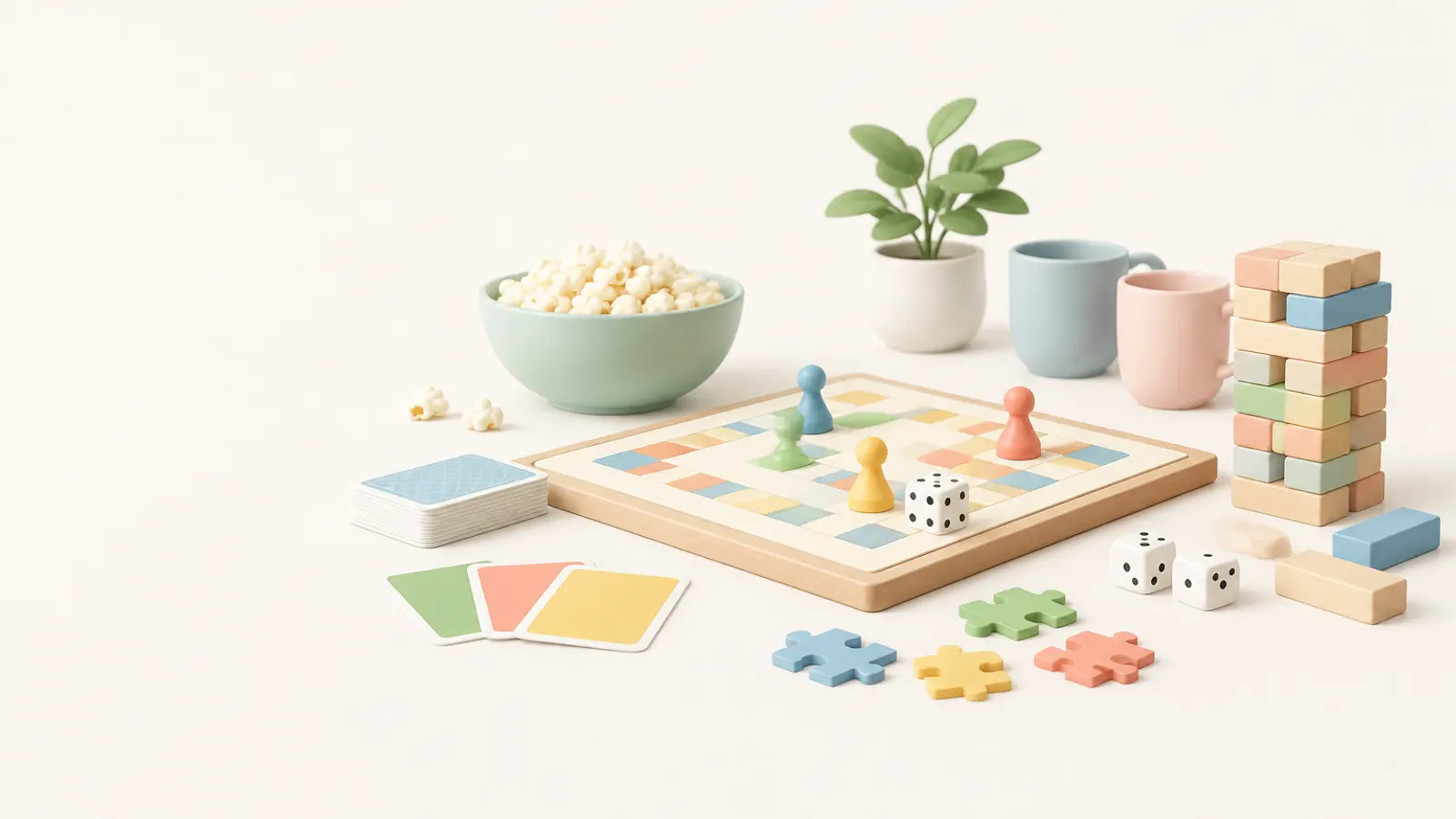
In our hyperconnected yet often disconnected world, family game night stands as a beacon of togetherness. It's more than just entertainment—it's a ritual that builds stronger relationships, creates lasting memories, and develops crucial cognitive and social skills across all age groups. Whether you're looking to establish a new tradition or revitalize an existing one, this comprehensive guide will help you create unforgettable family game nights that everyone will look forward to.
The beauty of family game night lies in its simplicity and profound impact. Research shows that families who regularly play games together report higher levels of communication, stronger bonds, and better problem-solving skills. Children who participate in family game nights demonstrate improved academic performance, better emotional regulation, and enhanced social skills. For parents, these evenings offer a screen-free opportunity to truly connect with their children while having genuine fun.
Why Family Game Night Matters More Than Ever
Modern family life is busier than ever. Between work commitments, school activities, sports practices, and the constant pull of digital devices, quality family time often falls by the wayside. Family game night creates a dedicated space for connection that nothing else can replicate.
The Psychological Benefits
When families gather around a game, something magical happens. The competitive element releases dopamine, creating positive associations with family time. Laughter reduces cortisol levels and strengthens emotional bonds. Turn-taking teaches patience and emotional regulation. Strategic thinking in games enhances cognitive development. These aren't just feel-good benefits—they're supported by decades of psychological research.
Studies from the American Psychological Association have found that children who regularly engage in family game activities show 20% higher levels of self-esteem and significantly better conflict resolution skills compared to peers who don't have this regular family interaction.
Building Communication Skills
Games create natural opportunities for conversation. The shared experience gives family members something to talk about beyond the usual "how was your day?" routine. Children learn to express themselves, negotiate, handle disappointment, and celebrate others' successes. Parents gain insights into how their children think and approach challenges.
Creating Family Identity and Traditions
Recurring game nights become part of your family's story. Inside jokes develop around memorable game moments. Traditions emerge—perhaps Dad always makes his famous nachos, or the winner gets to choose next week's game. These rituals create a sense of belonging and family identity that children carry throughout their lives.
Planning the Perfect Family Game Night
Success doesn't happen by accident. A little planning transforms a good game night into a great one.
Choosing the Right Frequency
Consistency matters more than frequency. Whether you choose weekly, bi-weekly, or monthly game nights, stick to your schedule. Mark it on the calendar and treat it as a non-negotiable family commitment. Many families find that Friday or Saturday evenings work best, avoiding the stress of school nights while capitalizing on weekend relaxation.
Setting the Scene
Environment shapes experience. Transform your game space into something special:
Lighting: Dim overhead lights and add some warm lamps or even string lights to create a cozy atmosphere distinct from everyday life.
Seating: Arrange comfortable seating where everyone can easily reach the game area. Floor cushions work great for younger kids, while ensuring adults have back support prevents physical discomfort from disrupting the fun.
Snacks: Have simple, non-messy snacks available. Popcorn, fruit slices, crackers, and cheese provide energy without risking game component damage. Establish a "clean hands" rule before touching game pieces.
Temperature: A slightly cool room keeps everyone alert and prevents the drowsiness that can set in during long games.
Distractions: This is crucial—phones go in a basket or different room. No exceptions. Even a quick glance at a device disrupts the collective focus that makes game night special.
Time Management
Respect everyone's attention span. For families with young children, plan for 60-90 minutes total. Older kids and teens can usually handle 2-3 hours. Always start on time—this reinforces that game night is a priority worth being punctual for. End before energy wanes; leaving everyone wanting more is better than dragging on too long.
Advertisement
Game Categories for Every Family Dynamic
Different families need different games. Consider your family's age range, interests, and dynamics when selecting games.
Games for Families with Young Children (Ages 4-7)
Young children need games with simple rules, short play times, and immediate rewards.
Pattern Recognition Games: Simple matching games like memory pairs build cognitive skills while keeping young minds engaged. Play Memory Match online together before game night to practice turn-taking and matching skills.
Color and Shape Games: Games involving basic colors, shapes, and numbers support early learning while being genuinely fun. Kids love the sense of accomplishment that comes with recognizing patterns.
Cooperative Games: For the youngest players, cooperative games where everyone works together toward a common goal eliminate the stress of losing while teaching teamwork. This is especially valuable for building confidence before introducing competitive elements.
Physical Games: Don't overlook active games that get bodies moving. Younger children have tremendous energy, and incorporating movement keeps them engaged longer.
Games for Mixed-Age Families (Ages 5-15)
Finding games that engage both a kindergartener and a teenager requires careful selection, but these exist and work beautifully.
Word Games: Classic word-based puzzles scale beautifully across age groups. Younger children can participate at their level while older players face appropriate challenges. Try Word Search puzzles together, with parents helping younger children while older kids race to find words independently.
Number Puzzles: Math-based games offer similar scalability. The classic 2048 game can be played collaboratively, with older family members teaching younger ones the strategy while each player contributes ideas.
Logic Puzzles: Games requiring logical thinking engage all ages. Sudoku can become a team activity, with family members working together to solve puzzles, each contributing based on their skill level.
Trivia Games: Question-based games with varied categories allow everyone to shine in their areas of knowledge. Even young children know answers to kid-oriented questions, while challenging questions keep teens and adults engaged.
Games for Families with Teens
Teenagers need intellectual challenge and social engagement. Treating them as equals in game selection and play increases their investment.
Strategy Games: Complex strategic games appeal to developing teenage brains. These games teach planning, resource management, and long-term thinking while providing the challenge teens crave.
Social Deduction Games: Games involving bluffing, deduction, and reading other players tap into teens' growing interest in social dynamics and psychology.
Creative Games: Open-ended creative games give teens an outlet for expression while generating tremendous laughter and memorable moments.
Skill-Based Action Games: Games with a physical or reaction-time component appeal to competitive teens. Flappy Bird tournaments, where family members compete for high scores, can create exciting bracket competitions.
Games for Adult-Only Game Nights
Sometimes parents need their own game night with friends or adult family members.
Complex Strategy Games: Deep, multi-hour strategy games satisfy adult cravings for intellectual challenge without worrying about age-appropriateness.
Party Games: Social games designed for adults create hilarious memories and strengthen friendships.
Classic Card Games: Never underestimate timeless card games—they've remained popular for generations because they work.
Elevate your adult game night by pairing games with craft cocktails. Sites like Hero Cocktails offer hundreds of recipes organized by mood—from relaxed evenings to celebratory gatherings—helping you match the perfect drink to your game night theme.
Competition Ideas That Keep Everyone Engaged
Healthy competition enhances game night, but must be managed carefully to ensure everyone has fun.
Tournament Formats
Create excitement with tournament structures:
Round Robin: Everyone plays everyone else once. This works well with 4-6 participants and games that last 15-30 minutes. Track wins on a poster board for visual excitement.
Single Elimination: Perfect for larger gatherings with 8+ people. The bracket format creates clear progression and championship moments.
Best-of Series: For two-player games or team competitions, play best-of-3 or best-of-5 to reduce luck factor and increase strategic depth.
Points Accumulation: Award points across multiple games throughout the evening. First place gets 5 points, second gets 3, third gets 2, fourth gets 1. Highest total at the end wins overall champion status.
Team Competitions
Strategically dividing into teams creates different dynamics:
Mixed-Age Teams: Pair older with younger family members. This mentorship dynamic is powerful, letting older siblings or parents guide younger players while still facing real competition.
Random Selection: Draw names from a hat for team assignments. The randomness adds excitement and prevents the same people from always partnering.
Rotating Teams: Change team composition between games. This ensures everyone gets to work with everyone else.
Prize and Recognition Systems
Recognition doesn't require expensive prizes. Creative rewards maintain motivation:
Trophy System: Create or purchase a traveling trophy that lives with the current champion until the next game night. Even a decorated jar or funny hat works perfectly.
Wall of Fame: Dedicate wall space or a poster board to track champions. Kids especially love seeing their names displayed.
Winner's Privilege: The evening's champion gets meaningful perks: choosing next week's game, picking the movie afterward, skipping one small chore, or choosing where the family goes for ice cream.
Participation Recognition: Ensure everyone receives acknowledgment, not just winners. "Best Sportspersonship," "Most Improved," "Best Strategic Thinking," "Most Creative Move"—these recognitions validate effort and growth beyond just winning.
Age-Appropriate Game Suggestions
Let's get specific about games that work for different age groups.
For Ages 4-6
Visual Memory Games: Start with simple 12-card memory matching. The visual and spatial memory skills developed here provide foundation for academic learning. Play Memory Match online to practice between family game nights.
Pattern Matching: Games requiring pattern recognition develop pre-math skills while being genuinely engaging.
Simple Word Games: Basic word recognition puzzles introduce literacy concepts through play.
Cooperative Building: Games where players build something together teach teamwork without competitive pressure.
For Ages 7-10
Word Challenges: Step up to more complex word puzzles. Word Search games with varying difficulty levels grow with your child's reading ability.
Number Puzzles: Introduce logical number games. Sudoku puzzles designed for kids use smaller grids and provide excellent critical thinking practice.
Classic Board Games: Age-old favorites become appropriate now, teaching money management, strategy, and social skills.
Physical Challenge Games: Active games burn energy while building coordination and following multi-step directions.
For Ages 11-14
Strategic Thinking Games: Complex strategy games challenge developing cognitive abilities. 2048 offers mathematical thinking and planning skills in an accessible format.
Creative Expression Games: Games involving drawing, acting, or creativity appeal to middle schoolers' developing identity.
Trivia and Knowledge Games: Fact-based games let kids show off their growing knowledge while learning new information.
Skill-Based Challenges: Reaction-time games like Asteroids create exciting competitions testing hand-eye coordination.
For Ages 15+
Advanced Strategy: Deep strategic games with complex rulesets satisfy teenage and adult brains.
Social Dynamics: Games involving negotiation, bluffing, and alliance-building tap into sophisticated social awareness.
Collaborative Puzzle Solving: Complex puzzles that require teamwork build problem-solving skills and family bonding.
Classic Challenges: Tetris tournaments, where family members compete for high scores, bring retro gaming to family time.
Advertisement
Troubleshooting Common Game Night Challenges
Even the best-planned game nights encounter obstacles. Here's how to handle them.
Dealing with Sore Losers
Losing gracefully is a learned skill, not an innate trait. When someone struggles with defeat:
Model Good Behavior: How you handle losing teaches more than what you say about losing. Show genuine grace when you lose.
Emphasize Growth: Shift focus from outcome to improvement. "You got three more points than last time!" carries more value than "You won/lost."
Validate Feelings: Acknowledge disappointment without letting it derail the evening. "I can see you're frustrated. Losing is hard. Let's take a two-minute break and then decide together if we continue or switch games."
Adjust Competition Level: If someone consistently loses, modify the game to level the playing field—give younger players handicaps or advantages that make their victory possible.
Include Non-Competitive Games: Rotate in cooperative games where everyone wins or loses together, reducing individual loss pressure.
Managing Attention Spans
When focus wanes:
Take Strategic Breaks: Five-minute stretch breaks between games refresh everyone. Use this time for bathroom visits, drink refills, and quick snacks.
Switch Game Types: Alternate between active and calm games, competitive and cooperative, verbal and physical. Variety maintains engagement.
Adjust Duration: If a game drags, establish a time limit or modified ending condition. It's better to end a game early and preserve enthusiasm than force completion and create resentment.
Involve Everyone in Selection: When people help choose the game, they're more invested in playing it fully.
Handling Skill Disparities
When skill levels vary widely:
Handicap Systems: Give advantages to less experienced players—extra turns, bonus points, starting resources, or simplified rules.
Team Formats: Pair skilled with less-skilled players so everyone contributes meaningfully.
Role Rotation: In games with different roles, rotate who does what to ensure everyone experiences various aspects.
Teach Strategically: Rather than dominating, use games as teaching opportunities. Think out loud about your decisions to help others improve.
Addressing Screen Time Conflicts
Digital devices are game night's biggest enemy:
Clear Boundaries: Establish a no-screen rule at the start. Phones go in a basket or another room.
Lead by Example: Parents must follow the same rules. If you check your phone, you've lost authority to enforce the rule with children.
Plan Communication: If someone expects an important call, acknowledge it upfront and establish how that will be handled rather than allowing general phone access.
Make It Rewarding: Emphasize the special nature of unplugged time rather than framing it as deprivation. "This is our time to really focus on each other without distractions."
Incorporating Learning Without It Feeling Like School
The best educational games don't feel educational. They're fun first, with learning as a wonderful side effect.
Stealth Learning Through Puzzles
Word games naturally build vocabulary and spelling skills. Word Search puzzles expose children to new words in context, expanding language abilities while they focus on the hunt.
Number puzzles develop mathematical thinking. Sudoku teaches logical deduction, pattern recognition, and systematic thinking—all critical math skills—while feeling nothing like homework.
Strategy games build planning and resource management. 2048 requires players to think multiple moves ahead, developing the same forward-thinking skills needed for complex problem-solving in school and life.
Building 21st Century Skills
Modern game night develops skills crucial for contemporary success:
Critical Thinking: Games requiring analysis, evaluation, and strategic decision-making sharpen the analytical skills needed in every career field.
Collaboration: Cooperative games teach teamwork, communication, and collective problem-solving—skills employers consistently rank as top priorities.
Adaptability: Games with changing conditions teach flexibility and adjustment to new circumstances, critical in our rapidly changing world.
Digital Literacy: When incorporating online games, children develop healthy relationships with technology, learning to use screens as tools for connection and growth rather than passive consumption.
Cross-Generational Learning
Game night creates unique learning opportunities:
Seniors Teaching Youth: When grandparents join game night, they often introduce classic games, sharing family history and tradition through play.
Youth Teaching Seniors: Kids can introduce elders to modern games or online puzzles like Flappy Bird or Asteroids, creating reverse mentorship opportunities that boost both parties' confidence.
Peer Learning: Siblings teaching siblings creates powerful learning bonds and builds leadership skills in older children while giving younger ones patient, caring instructors.
Creating Special Themed Game Nights
Occasional themed nights add extra excitement to your routine.
Seasonal Themes
Summer Game Night: Take games outdoors if possible. Play as the sun sets, enjoying the weather while competing.
Holiday Themes: During holidays, choose games that fit the season. Spooky games for Halloween, gratitude-themed games for Thanksgiving, team cooperation games for Christmas.
Birthday Game Night: When someone's birthday falls near game night, make it their special night—they choose all games and their favorite snacks.
Educational Themes
Geography Night: Games involving world knowledge, maps, or travel themes make learning about places fun.
History Night: Historical games or trivia focused on particular time periods bring history to life.
Science Night: Puzzle games that involve logic and problem-solving tap into scientific thinking methods.
Decade Themes
Retro Gaming Night: Play classic games from parents' or grandparents' childhoods. Tetris, Asteroids, and other vintage games let adults share their nostalgia while kids discover gaming history.
90s/2000s/2010s Nights: Theme evenings around specific decades, including appropriate snacks, music, and games from that era.
Tournament Championship Night
Once per quarter, host a championship night where winners from previous weeks compete for the grand championship. Build excitement over weeks with a displayed tournament bracket.
Building Game Night Into Your Family Culture
The real magic happens when game night becomes not just an activity but part of who your family is.
Starting the Tradition
Announce It Properly: Make the first game night feel important. Send playful "invitations" to family members, even though everyone lives together. This signals that something special is starting.
Document the Journey: Take photos during game nights. Create a scrapbook or digital album. Years later, these images will be treasured memories.
Establish Rituals: Small consistent elements create comfort and anticipation—always the same opening phrase, a special tablecloth, a specific snack, or music playing as everyone gathers.
Celebrate Milestones: After your 10th game night, 50th, 100th—acknowledge these milestones. They represent significant investments in family connection.
Maintaining Momentum
Keep It Fresh: Introduce new games regularly while maintaining favorites. The mix of familiar and novel sustains interest.
Involve Everyone in Planning: Create a family calendar where different members take turns planning game night. Ownership increases investment.
Adapt as Your Family Grows: As children age, evolve the games and format. What worked when kids were 5 won't work at 15, and that's perfect—the tradition adapts to your family's changing needs.
Extend the Circle: Occasionally invite extended family or close friends. This shares your tradition with others and adds new energy.
Handling Life's Interruptions
Life will interfere—illness, work emergencies, travel. When you must skip game night:
Reschedule Explicitly: Don't just skip—announce when you'll make it up. This reinforces that game night matters.
Mini Game Nights: If a full evening isn't possible, can you manage 30 minutes? A shortened version maintains the routine and connection.
Travel Adaptations: Bring travel-sized games on family trips. Game night can happen anywhere there's family.
The Lasting Impact of Family Game Night
Years from now, your children might not remember specific games or who won on particular nights. But they'll remember the feeling of belonging, the sound of family laughter, and the security of knowing that every week, their family chose to be together.
Research on childhood memories consistently shows that children most vividly remember regular family rituals, not expensive vacations or grand gestures. The predictable, recurring, loving attention of game night creates emotional security and lifelong positive associations with family.
Beyond the emotional benefits, families who maintain game night traditions report:
Better Academic Performance: The cognitive skills, focus, and strategic thinking developed through games translate directly to school success.
Improved Social Skills: Regular practice with turn-taking, handling disappointment, celebrating others, and collaborative problem-solving creates socially intelligent children.
Stronger Family Communication: The regular, low-pressure interaction of game night opens communication channels that remain available during more serious conversations.
Reduced Behavioral Issues: Children who have regular, positive attention from parents through activities like game night show fewer attention-seeking behavioral problems.
Lifelong Gaming Habits: Children who grow up with family game nights often establish similar traditions in their own families, creating multigenerational patterns of connection.
Getting Started This Week
You don't need elaborate preparation or expensive games to start. Here's your simple action plan:
Step 1: Choose a day and time this week. Put it on the calendar right now.
Step 2: Announce it to your family with enthusiasm. Build anticipation.
Step 3: Select 2-3 games appropriate for your family's age range. Include at least one familiar game and one new experience. Visit our collection of free online puzzle games if you want zero-cost options to start. If you're looking to set aside a regular "family fun" budget, tools like iBudget help couples and families track household spending together—so you can plan for game night snacks, prizes, and occasional new games without overspending.
Step 4: Prepare simple snacks and arrange your space.
Step 5: During the evening, focus on fun over perfection. Let laughter guide you.
Step 6: Afterward, ask everyone what they enjoyed and what game they'd like to try next week.
Step 7: Schedule next week's game night before this one ends.
The investment is minimal—a few hours and maybe a few dollars. The return is immeasurable—stronger relationships, happier children, and a family culture of connection that lasts a lifetime.
Ready to Build Stronger Family Bonds?
Family game night isn't just about games—it's about creating a space where your family consistently chooses each other over the thousand distractions of modern life. It's about laughter that echoes through your home, friendly competition that teaches valuable lessons, and shared experiences that become treasured memories.
Whether you're solving Sudoku puzzles together, competing for the highest score in 2048, hunting through Word Search grids, or challenging each other in classic games like Tetris and Flappy Bird, you're doing something profoundly important—you're building a family.
Start your family game night tradition this week. Your future self will look back on this decision as one of the best you ever made for your family. The games are ready, the benefits are proven, and your family is waiting.
What will your first game night look like? The choice is yours, but the rewards are certain. Let the games begin.
Put it into practice



Keep reading
Brain Health
The Ultimate Guide to Family Game Night Ideas
Discover the best family game night ideas for 2025. From brain-boosting puzzles to hybrid AR games, learn how to build bonding through games for all ages.
Apr 20, 2026 12 min
Brain Training
Puzzles for Children's Development
Discover how puzzles boost children's cognitive, emotional, and social development. Expert guide with age-appropriate recommendations and parenting tips.
Jan 19, 2025 11 min
Brain Training
Puzzles for Dementia Prevention: Brain Health Guide
Discover how puzzles build cognitive reserve and may delay dementia onset by 2.5 years. Research-backed strategies for brain health through mental stimulation.
Jan 19, 2025 12 min
Advertisement