Word Search for Seniors: The Ultimate Guide to Brain Health in 2025
Discover how word search for seniors can reduce cognitive age by 10 years. Learn the best practices, latest 2025 research, and how to choose the perfect puzzle.
By Free To Play Puzzles Editorial Team 12 min read
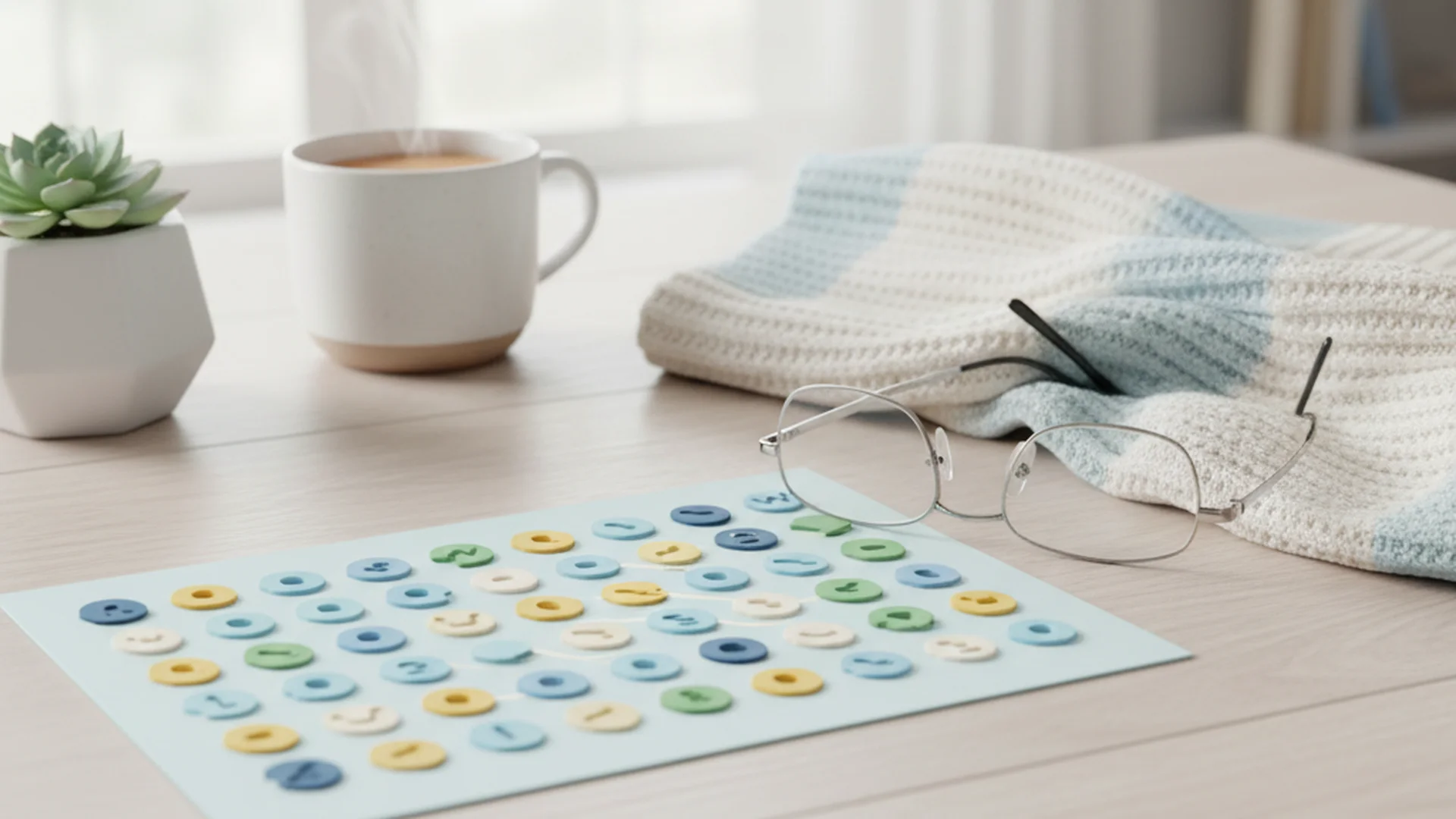
In the landscape of modern wellness, we often talk about gym memberships and cardiovascular health, but we frequently overlook the most vital organ in the body: the brain. For many, finding an effective word search for seniors is more than just a way to pass a rainy afternoon; it is a fundamental component of cognitive maintenance. As we move into 2025 and 2026, the humble word search has been reimagined as a "gym membership for the mind," offering a structured way to keep neural pathways firing and language skills sharp.
Whether you are a caregiver looking for a meaningful activity for a loved one or a senior looking to stay ahead of the "tip-of-the-tongue" phenomenon, understanding the science and strategy behind these puzzles is essential. Word search games have evolved, blending traditional paper-and-pencil satisfaction with high-tech accessibility features designed specifically for the aging eye and mind.
The Science of a Sharper Mind: Why Puzzles Matter
Recent breakthroughs in geriatric neuroscience have cast a new light on how we view mental aging. We used to believe that cognitive decline was an inevitable, linear process. However, the latest data from 2024 and 2025 suggests that the brain possesses a remarkable degree of neuroplasticity well into our 80s and 90s.
A landmark study conducted by the University of Exeter and King’s College London (2024–2025) provided some of the most compelling evidence to date. Researchers followed adults aged 50 and over and found that those who regularly engaged in word puzzles, like a senior word search, displayed brain function equivalent to someone 10 years younger in areas of grammatical reasoning. Furthermore, their short-term memory tasks were equivalent to someone 8 years younger.
Fighting Mild Cognitive Impairment (MCI)
One of the most significant concerns for aging adults is Mild Cognitive Impairment (MCI). Research from Duke and Columbia University has recently indicated that traditional word-based puzzles can actually be more effective than high-tech, expensive "brain training" software. Participants in these studies showed measurable improvements in ADAS-Cog scores (a standard scale for measuring cognitive function) and, perhaps most surprisingly, less brain shrinkage on MRI scans compared to those using complex computerized games.
Addressing the "Word-Finding" Challenge
Have you ever felt like a word is right on the tip of your tongue, but you just can't grab it? You aren't alone. Approximately 52% of seniors with cognitive concerns report these word-finding difficulties. Word searches directly address this by practicing "lexical retrieval." By scanning a grid for specific letter combinations, you are maintaining the neural pathways responsible for language and vocabulary.
Physical vs. Digital: Choosing Your Medium in 2025
As we navigate the 2025–2026 digital landscape, the debate between physical paper and digital apps has become more nuanced. There is no "wrong" choice, but there are different benefits depending on your needs.
The Case for Paper Puzzles
Many seniors and experts still prefer the traditional paper-and-pen approach. The reasons are often physical:
- Reduced Eye Strain: Paper does not emit blue light, which can disrupt sleep patterns and cause digital eye strain.
- Tactile Engagement: The act of circling a word with a pen encourages fine motor skills and hand-eye coordination.
- No Glare: Using matte, recycled paper ensures that overhead lights don't create a distracting glare on the page.
The Case for 2025 Digital Apps
However, the new wave of senior-specific apps, such as the Vita Word Search suite, has bridged the gap for those with specific accessibility needs.
- Auto-Zoom: Modern apps can automatically enlarge the grid for those with macular degeneration or other visual impairments.
- Error Tolerance: One of the most frustrating parts of digital puzzles used to be the "fat finger" problem. 2025 hardware and software now include error tolerance, accepting a word even if the user's swipe is slightly off-course.
- Unlimited Hints: Unlike a book, an app can provide a gentle nudge when a user gets stuck, preventing the frustration that leads to cortisol spikes.
Advertisement
The Anatomy of a Perfect Word Search for Seniors
Not all puzzles are created equal. When selecting a word search for seniors, especially those with early-stage cognitive decline or visual challenges, certain design elements are non-negotiable.
1. Visual Accessibility
The most important factor is legibility. A senior-friendly puzzle should use at least a 16–18pt font. The contrast is equally vital; look for dark black ink on off-white or matte paper. High-gloss paper should be avoided as it reflects light and makes letters difficult to distinguish.
2. Grid Complexity
For those with Mild Cognitive Impairment (MCI) or early-stage dementia, a standard 20x20 grid can be overwhelming. Experts recommend starting with an 11x11 grid. This provides enough of a challenge to be engaging without causing the "sensory overload" that leads to abandonment.
3. Instructional Design
To maximize success and minimize stress, puzzles should focus on:
- Horizontal and Vertical Words: Avoid backwards or diagonal words for beginners. As the solver becomes more confident, you can introduce Diagonal Word Search Tips or even Backwards Words in Word Searches to increase the difficulty.
- Relatable Themes: Themed lists are powerful tools for memory. A "1960s Music" or "Garden Flowers" theme can trigger long-term memories and spark conversations between seniors and their caregivers.
| Feature | Standard Puzzle | Senior-Optimized Puzzle |
|---|---|---|
| Font Size | 10-12pt | 16-18pt+ |
| Grid Size | 20x20 | 11x11 or 12x12 |
| Word Directions | All 8 directions | Horizontal & Vertical only |
| Paper Type | Glossy/Thin | Matte/Heavyweight |
Beyond the Page: Turning Puzzles into Social Events
One of the most exciting trends in 2025 is the "Social Puzzling" movement. While puzzles are often seen as solitary activities, experts now recommend solving them in pairs or small groups. This transforms a cognitive task into a social one, providing a double-benefit for mental health and combating the epidemic of loneliness among the elderly.
The "Cognitive Yoga" Trend
High-end senior living communities have begun incorporating curated "Puzzle Hours" into their wellness programs. They treat these sessions as a form of "Cognitive Yoga," emphasizing the "flow state"—that feeling of being completely immersed in a task. This state is known to lower heart rates and reduce anxiety.
For those looking for specific themed content to share in a group setting, Bible Word Search puzzles are often a hit in community centers, providing both spiritual and mental stimulation.
Common Mistakes to Avoid
To get the most out of a senior word search, it is important to avoid several common pitfalls that can negate the benefits.
Mistake 1: Choosing Overly Difficult Puzzles
The goal is "effortful ease." If a puzzle is too hard, it causes frustration. Frustration triggers the release of cortisol, the stress hormone, which has been shown to actually impair memory and cognitive function. If a senior is struggling, move to a smaller grid or a more familiar theme.
Mistake 2: The "Sedentary Puzzle" Trap
A 2025 study from UW Medicine warns against the "sedentary puzzle" trap. Doing word searches for hours in a recliner can be physically detrimental. We recommend the "Puzzle and Pulse" method: solve one puzzle, then take a 5-minute walk. This physical activity increases blood flow to the brain, making the next puzzle even easier to solve.
Mistake 3: Treating it as a "Time-Filler"
Caregivers sometimes use puzzles as a way to keep a senior "quiet." This is a missed opportunity. To gain the most neuroplasticity benefits, the engagement must be active. Ask questions about the words found: "Oh, you found 'Dahlia'—didn't you used to grow those in the old house?" This turns a simple search into a powerful reminiscence therapy session.
Advertisement
Recent Trends (2025–2026)
The world of puzzles isn't static. In 2025, we are seeing a shift toward "Strands" style puzzles. Following the success of the New York Times' Strands, word searches are moving toward thematic connections. Instead of just finding a list of words, the solver must figure out how the words relate to a hidden "meta-theme."
Additionally, eco-friendly printing has become the standard for physical books. High-quality publishers are now using recycled, thick matte paper. Not only is this better for the planet, but it provides the best possible surface for aging eyes, as it absorbs light rather than reflecting it.
If you are looking for other ways to keep the mind sharp, consider exploring Best Brain Games for Seniors for a variety of options including logic and memory challenges.
Frequently Asked Questions
Do word searches prevent Alzheimer’s?
While no activity can "prevent" Alzheimer’s entirely, word searches help build "cognitive reserve." This is the brain's ability to improvise and find alternate ways of getting a job done. A high cognitive reserve allows the brain to better withstand pathological changes and can delay the clinical symptoms of dementia by several years.
How long should a senior play each day?
Expert consensus suggests 15–30 minutes of "active" puzzling is ideal. It is much better to solve one or two puzzles daily than to do a 4-hour "marathon" once a week. Consistency is the key to maintaining neural pathways.
Is Word Search better than Sudoku for brain health?
Neither is objectively "better"; they simply target different cognitive functions. Word searches focus on verbal reasoning, pattern recognition, and lexical retrieval. Sudoku focuses on logical deduction and working memory. For the best results, we recommend a "balanced diet" of puzzles.
Can word searches help with recovery after a stroke?
Yes, many speech and occupational therapists use Educational Word Searches as part of aphasia recovery. They help patients re-associate visual letter patterns with spoken words and meanings.
Are digital apps safe for seniors who aren't "tech-savvy"?
Absolutely. The 2025 generation of senior-specific apps is designed with "no-distraction" modes. These remove flashy ads, pop-ups, and confusing menus, making the experience as straightforward as a piece of paper.
Conclusion: A Daily Ritual for a Sharper Tomorrow
Incorporating a word search for seniors into a daily routine is one of the simplest yet most effective ways to support long-term brain health. By choosing puzzles with the right font size, appropriate grid complexity, and engaging themes, you are doing more than just filling time—you are actively strengthening the architecture of the mind.
Remember to keep the experience positive, social, and varied. Whether you prefer the tactile feel of a pencil on matte paper or the high-contrast accessibility of a modern tablet, the goal remains the same: a sharp, engaged, and happy mind.
Ready to Start?
Keep your mind sharp with our daily puzzles.
Put it into practice

Keep reading

Word Search
The Ultimate Guide to Large Print Word Search Books: Accessibility and Brain Health
Discover why large print word search books are essential for cognitive health and accessibility. Learn about typography standards, top trends, and expert puzzle tips.
Dec 31, 2024 12 min

Word Search
The Science of the Grid: Comprehensive Word Search Benefits for 2025
Discover the profound word search benefits for brain health, anxiety reduction, and literacy based on the latest 2025 cognitive research and studies.
May 18, 2025 12 min
Word Search
The Ultimate Guide to Word Search Books for Kids: Cognitive Benefits and 2025 Trends
Discover why word search books kids love are booming in 2025. Explore cognitive benefits, age-appropriate grids, and the latest trends in children’s puzzles.
Mar 15, 2025 12 min
Advertisement