The Ultimate Guide to Word Search Books for Kids: Cognitive Benefits and 2025 Trends
Discover why word search books kids love are booming in 2025. Explore cognitive benefits, age-appropriate grids, and the latest trends in children’s puzzles.
By Free To Play Puzzles Editorial Team 12 min read
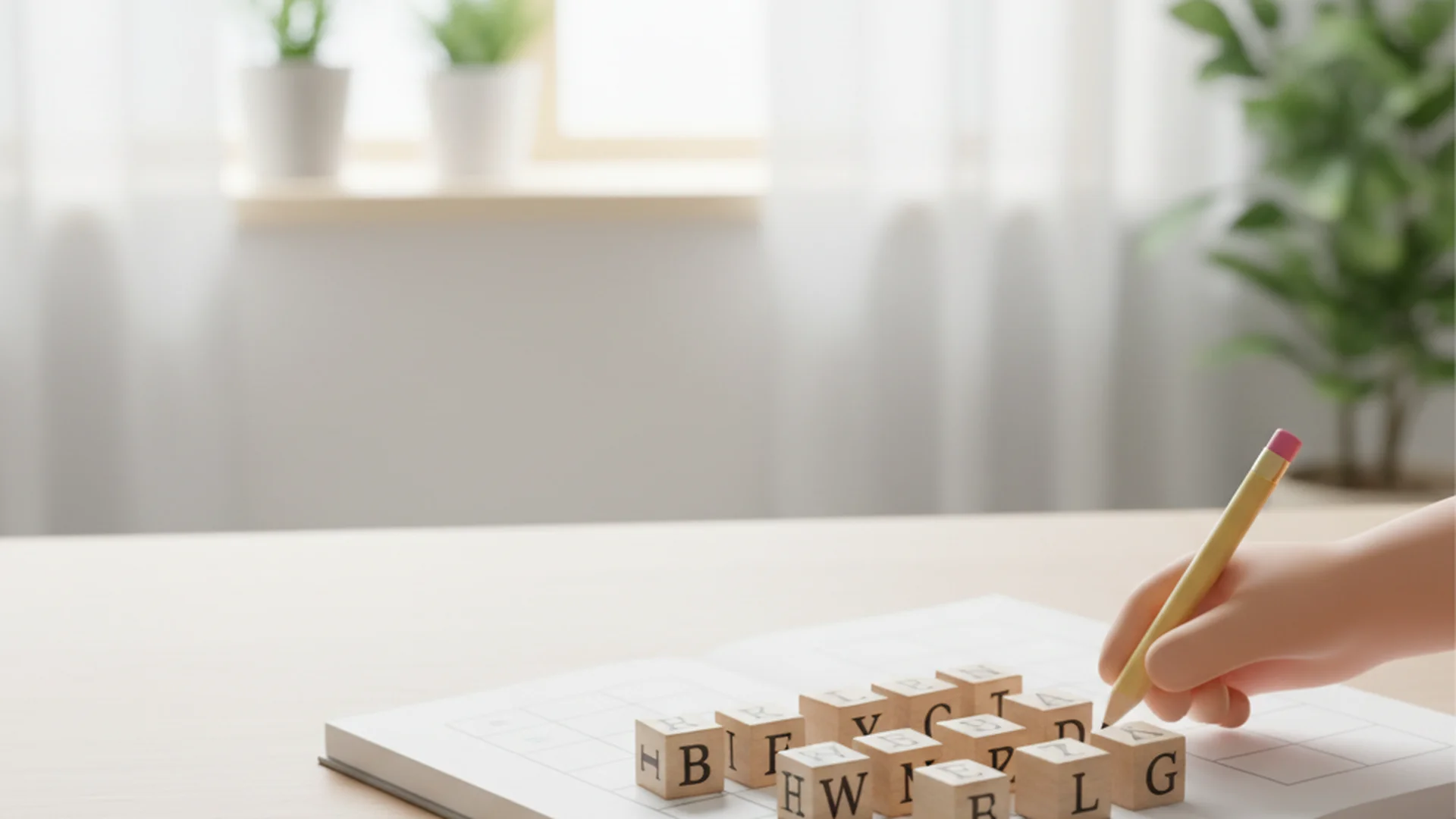
In an era dominated by rapid-fire digital entertainment, the humble paper-and-pencil puzzle is making a sophisticated comeback. Tactile engagement with language plays an important role in developing brains. Today, word search books kids use are more than just "quiet time" activities; they are precision-engineered tools for literacy, pattern recognition, and focus. Whether you are a parent looking to reduce screen time or an educator seeking new ways to reinforce vocabulary, understanding the science and trends behind these books is essential for the 2025 educational landscape.
The Science of Scanning: Why Word Searches Matter
Many people dismiss word searches as "busy work," but from a neurological perspective, this couldn't be further from the truth. When a child engages with children word search books, they are practicing what we call "near-point" visual processing. This involves the ability to scan a field of data, identify specific patterns (letters), and recognize how they form a cohesive unit (words).
This scanning is a direct precursor to efficient reading. While reading involves moving the eyes from left to right, word searches force the brain to search in multiple directions, strengthening the ocular muscles and the brain's ability to filter out "noise" to find relevant information.
Developing Visual Acuity and Word Recognition
By searching for a specific sequence of letters, children reinforce their internal "orthographic mapping"—the process the brain uses to store words for immediate retrieval. This is particularly helpful for "word families" and consonant clusters that might otherwise be difficult to memorize through rote repetition.
Matching the Puzzle to the Learner: Age-Appropriate Grids
One of the most frequent mistakes parents make is choosing a book that is either too simple or too complex. To maintain the "Flow State"—that sweet spot where a challenge matches a child's skill level—you must match the grid size and word orientation to their developmental stage.
| Age Group | Recommended Grid Size | Word Directions | Focus Area |
|---|---|---|---|
| 4–6 Years | 8x8 or 10x10 | Horizontal & Vertical | Basic letter recognition |
| 7–10 Years | 12x12 or 15x15 | Adds Diagonals | Vocabulary expansion |
| 11+ Years | 20x20+ | Adds Backward words | Complex scientific/historical terms |
The "Five Finger Rule" for Difficulty
If you are unsure if a book is right for your child, use the "Five Finger Rule." Have the child look at a single puzzle page. If there are more than five words in the list that they cannot read or do not understand the definition of, the book is likely too advanced. This helps prevent the frustration that leads to negative associations with learning.
Advertisement
Educational Value: Beyond the Search
Word searches are highly effective as a "low-stakes quiz." Many teachers now use educational word searches to introduce new topics. For example, a lesson on the solar system can be capped off with a puzzle containing words like nebula, asteroid, and orbit.
Supporting Children with Dyslexia
Word searches provide a unique benefit for children with dyslexia. Because the grid breaks words down into their component letters, it allows the child to focus on the sequence of letters without the pressure of a full paragraph of text. This helps build "word shape" familiarity. Finding a word in a grid provides a dopamine hit that builds the confidence necessary to tackle more traditional reading tasks.
Emerging Trends for 2025 and 2026
The market for word search books kids are buying is undergoing a radical transformation. Publishers are moving away from the generic "1001 Puzzles" format and toward high-quality, curated experiences.
1. The Multi-Activity Hybrid
Modern parents are looking for "bang for their buck." The best-selling books in 2025 are those that combine word searches with coloring pages, mazes, and Sudoku. These "brain-buster" volumes cater to a child's shifting attention span and provide various types of cognitive stimulation in one sitting.
2. Eco-Conscious and Science Themes
As we move into 2026, there is a significant shift toward "green" themes. Expect to see puzzles focused on sustainability, ocean conservation, and climate science. These books don't just provide puzzles; they provide "fact bites" alongside the grids to educate the child on the theme. For a classic example of themed engagement, many children start with Animal Word Search puzzles to learn about different species and habitats.
3. Augmented Reality (AR) Integration
High-end puzzle books are now featuring QR codes. When scanned, these codes might show a 3D animation of the word the child just found or play an audio definition. This creates a multi-sensory learning experience that bridges the gap between physical books and digital interactive tools.
4. Mindfulness and Mental Health
"Mindfulness Word Searches" are a rising niche. These puzzles use calming vocabulary (e.g., breathe, calm, nature) and are designed with wider margins and softer colors to help children decompress after school without the blue light of a tablet.
Real-World Examples of Puzzle Success
To understand the impact of these books, consider these three scenarios where word searches solved a specific educational or behavioral challenge:
- The Transition Tool: A second-grade teacher used word searches as a "soft start" to the school day. By having a themed puzzle on each desk, students were able to settle into a focused state immediately, reducing the chaotic transition from the playground to the classroom.
- The Vocabulary Builder: A parent used themed Food Word Search puzzles to encourage a "picky eater" to learn about new vegetables. Finding the word "asparagus" in a puzzle made the vegetable feel familiar and less "scary" when it appeared on the dinner plate.
- The Travel Companion: During long flights, families often struggle with "tablet fatigue." A high-quality word search book provides hours of engagement that doesn't require a Wi-Fi connection or a charging cable, while simultaneously practicing backwards words in word searches to increase the challenge level for older kids.
Advertisement
Common Mistakes to Avoid
Even with the best intentions, parents can accidentally undermine the benefits of puzzle books.
- Quantity Over Quality: Avoid the "1,000 Puzzles for $5" books. These often feature tiny, cramped fonts and repetitive word lists that offer zero educational value. Look for quality over quantity.
- Forcing Completion: If a child is stuck on one word, don't force them to find it before they can stop. This creates a negative association. Instead, suggest they "take a brain break" and come back to it later.
- Neglecting the Perimeter: Many children (and adults) struggle because they only look at the center of the grid. Teach your child to systematically scan the borders first, as creators often hide long words there.
- Ignoring Physical Quality: Cheap paper allows ink to bleed through, ruining the puzzle on the next page. Always check for high-opacity paper, especially if your child prefers using markers.
Frequently Asked Questions
Are word searches a waste of educational time?
No. While they should not replace reading, they are valuable for reinforcing spelling, pattern recognition, and focus. They help children develop the systematic scanning strategies required for advanced reading and data processing.
What is the best age to start?
Children as young as 4 can start with "junior" versions that feature 3–5 words in a very small (5x5 or 8x8) grid. The "sweet spot" for traditional word search books is between ages 7 and 12, when their vocabulary and visual processing skills are rapidly expanding.
Can word searches help with dyslexia?
Yes. They allow children to recognize "word families" and consonant clusters in a low-pressure environment. By breaking words into individual letters in a grid, it helps build confidence in struggling readers by focusing on letter sequencing.
How do I make word searches more challenging for older kids?
Look for "hidden message" puzzles. In these versions, once all the words from the list are found, the remaining unused letters in the grid form a secret sentence or a trivia fact. You can also introduce puzzles with diagonal words or words hidden in reverse.
Why are themed word searches better than random ones?
Themed puzzles (like space, animals, or history) place vocabulary in a meaningful context. This increases retention rates because the brain associates the word with a specific concept rather than treating it as a random string of letters.
Conclusion
Word search books for kids remain one of the most effective, low-tech ways to boost cognitive development. By selecting the right grid size, focusing on high-quality themes, and staying ahead of 2025's multi-activity trends, you can provide your child with a tool that builds literacy while they think they're just having fun. Remember, the goal isn't just to find the words—it's to build the brain that finds them.
Ready to Start?
Boost your child's brain power with our curated collection of puzzles.
Put it into practice

Keep reading

Word Search
The Ultimate Guide to Custom Word Searches for Events: 2025–2026 Trends
Discover how a custom word search can transform your wedding or corporate gala. Learn about 2025-2026 trends, AI integration, and design best practices.
Aug 22, 2026 10 min
Word Search
The Ultimate Guide to Printable Word Search Puzzles for Kids: Education Meets Play
Discover why printable word search kids love are essential for development. Learn about 2025 trends, age-appropriate designs, and cognitive benefits.
Aug 20, 2026 10 min

Word Search
Word Search Books vs Online: Which is Better for Your Brain?
Discover the pros and cons of print vs digital word searches. Explore cognitive benefits, 2026 trends, and expert strategies for brain health.
Oct 16, 2025 12 min
Advertisement