The Ultimate Guide to Puzzle Apps Without Ads: Cognitive Benefits and Best Picks for 2026
Discover the best puzzle apps no ads for 2025-2026. Explore premium, open-source, and subscription-based ad-free brain games we recommend.
By Free To Play Puzzles Editorial Team 12 min read
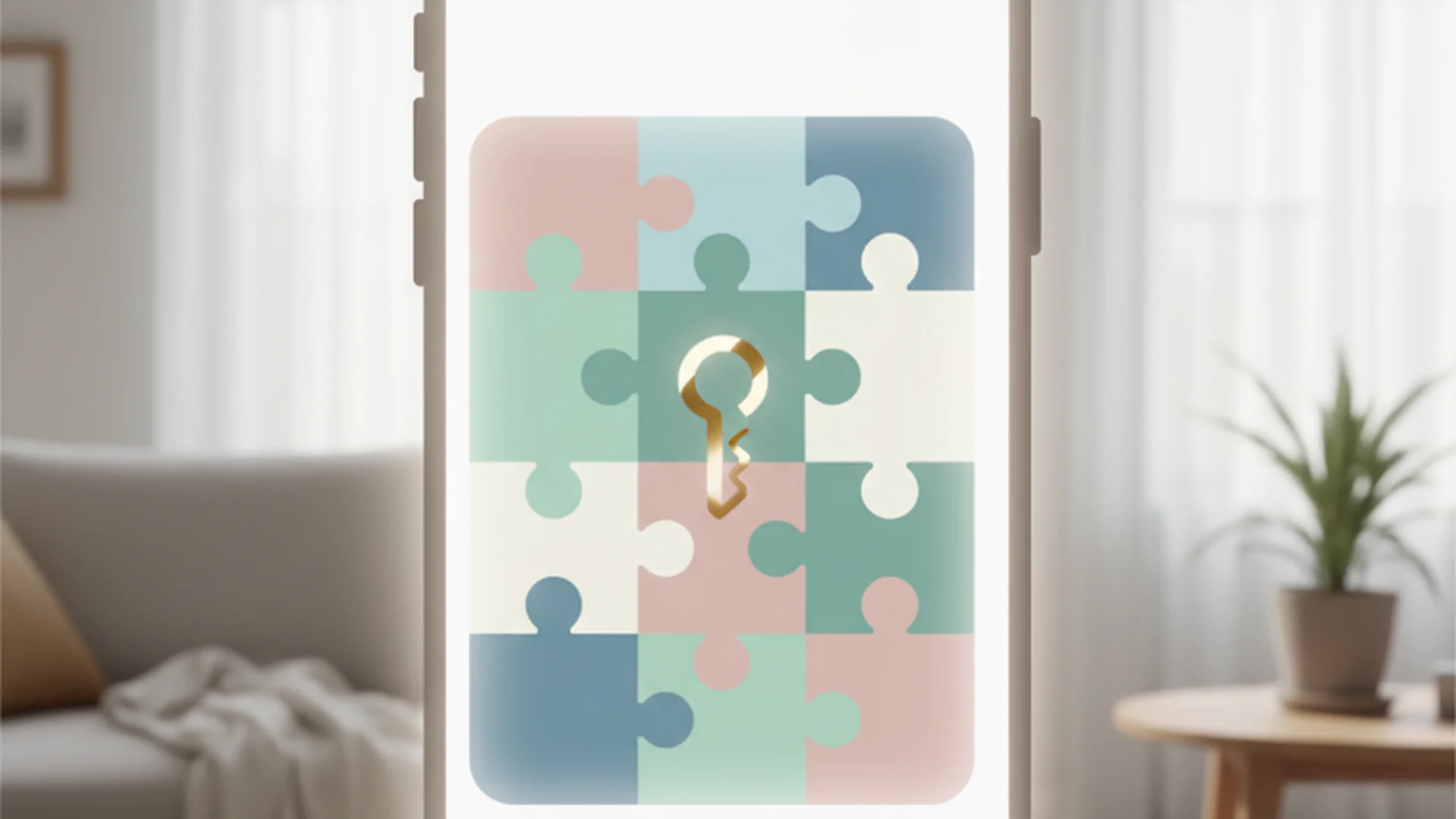
There is a common frustration among people trying to improve their mental agility: the "interruption tax." We seek out puzzle apps no ads to sharpen our minds, but we are often met with loud, flashing banners and 30-second videos that shatter our focus. From a neurological perspective, these interruptions do more than just annoy; they break the "flow state" required for deep problem-solving and can actually increase cortisol levels.
As we move through 2025 and into 2026, the landscape of mobile gaming is shifting. Users are increasingly willing to pay for "premium" experiences to avoid the mental clutter of commercial interruptions. Whether you are looking for ad free brain games to maintain cognitive health or simply want a relaxing evening activity, understanding where to find high-quality, uninterrupted content is essential.
The Shift Toward Ad-Free Puzzle Gaming
The puzzle game market has reached a turning point. In 2024, the global revenue for the genre hit $21 billion, and projections for late 2025 suggest a surge to $26 billion. However, the way this money is made is changing. While Match-3 games still account for 65% of puzzle revenues, players are increasingly revolting against the aggressive ad-supported models that have dominated the last decade.
The Rise of Subscription-Based Brain Games
We are currently witnessing the "Netflix-ification" of mobile gaming. Major players like Apple, Google, and even Netflix are bundling high-end puzzle titles into their monthly subscriptions. This model removes the incentive for developers to include "pay-to-win" or "ad-to-continue" mechanics, allowing for a pure gaming experience.
Demographics and Retention
Data shows that the most committed players are not who you might expect. Approximately 75% of puzzle game players are women, with a significant concentration in the 25–44 and 50+ age groups. For these demographics, the primary goal is often stress reduction and cognitive maintenance. Apps that offer daily challenges—a staple of ad free brain games—see a 40% higher retention rate because they provide a consistent, frustration-free routine.
Top Recommendations for Puzzle Apps No Ads in 2026
Finding a game that is truly free of ads requires looking beyond the "Top Free" charts, which are usually populated by games that monetize via heavy advertising. Here are the top-tier recommendations categorized by their gameplay style.
1. The Logic Purest: Simon Tatham’s Puzzles
If you want a zero-frills experience, this is the gold standard. It is an open-source collection of classic logic puzzles (Sudoku, Mines, Bridges, etc.).
- Why it's great: It is completely free, has no ads, requires no permissions, and works perfectly as an offline puzzle game.
- Cognitive Benefit: Focuses purely on deductive reasoning without visual distractions.
2. The Minimalist Zen: Empty
Empty is a beautiful, minimalist game about clearing a room of objects by rotating the environment so that objects "disappear" into matching colored backgrounds.
- Why it's great: It is a passion project with a focus on tranquility. There are no timers, no scores, and no ads.
- Cognitive Benefit: Enhances spatial awareness and promotes relaxation through visual simplification.
3. The Strategic Master: Chess Light
With over 180 chess scenarios, this app is designed to teach and challenge players through specific puzzles rather than full matches.
- Why it's great: It offers a premium feel with no ads, allowing you to focus on the intricate strategies of the "royal game."
- Cognitive Benefit: Strengthens executive function and long-term planning skills.
4. Premium Series: The Room and Monument Valley
For those who enjoy narrative and atmosphere, these titles are essential.
- Why it's great: While they are paid apps, they offer a complete experience. In 2026, many of these are available through cross-platform puzzle services like Apple Arcade or Netflix Games.
- Cognitive Benefit: Engages the brain’s "narrative transport" and complex 3D manipulation centers.
| Game Category | Recommended App | Monetization Model | Best For |
|---|---|---|---|
| Open Source | Simon Tatham | 100% Free | Logic & Deduction |
| Minimalist | Empty | Free (No IAP) | Relaxation |
| Strategic | Chess Light | One-time Purchase | Strategic Planning |
| Narrative | Monument Valley | Subscription/Paid | Visual Art & Spatial |
Advertisement
How to Find Truly Ad-Free Experiences
Finding puzzle apps no ads requires a bit of detective work. Many apps claim to be "free" but are actually "freemium," meaning they are packed with ads that you must pay to remove.
Utilize Subscription Tiers
If you already pay for other services, you likely have access to a library of premium puzzles:
- Apple Arcade: All games here are 100% ad-free and have no in-app purchases.
- Netflix Games: Accessible through your standard Netflix subscription. They have been aggressively acquiring top-tier puzzle titles like The Case of the Golden Idol.
- Google Play Pass: A similar model to Apple Arcade for Android users, offering hundreds of premium titles for a flat fee.
Search for "No IAP" or "Open Source"
When searching the App Store or Google Play, try using technical terms. Searching for "No IAP" (No In-App Purchases) or "Open Source" will often lead you to high-quality projects developed by enthusiasts rather than corporations.
Recent Trends: The Future of Ad-Free Play (2025–2026)
The landscape of 2026 is being shaped by new regulations and technological shifts.
The EU AI Act and Privacy Laws
New privacy laws in the EU and parts of the US are forcing developers to be more transparent about the "invisible" costs of apps. Even if an app doesn't show you a video ad, it might be tracking your behavioral patterns—such as how fast you solve a Sudoku or where your eyes linger—to build a consumer profile. We are seeing a rise in "Pay or Consent" models, where users must either pay a small fee or allow data tracking.
Predictive Revenue Models
Developers are moving away from the "click" model and toward behavioral prediction. By using AI in puzzle games, developers can create puzzles that are perfectly tuned to your frustration threshold, encouraging you to stay in the app longer, which increases the value of the data they collect.
Common Mistakes to Avoid
When searching for a clean gaming experience, many users fall into the same traps.
1. Falling for "Fake" Puzzle Ads
You have likely seen ads for games like Homescapes that show a pin-pulling puzzle. In reality, these puzzles make up less than 5% of the actual game, which is usually a standard, ad-heavy Match-3 game. To find the actual puzzle shown in the ad, look for dedicated clones like Pull Him Out or check if a premium version exists.
2. Assuming Mobile Gaming is Only for the Youth
Many seniors avoid the App Store, thinking it's not "for them." However, statistics show that seniors over 50 are the most committed demographic for puzzle apps, often spending more time per day in-app than younger users. The key is finding apps with a "clean" interface that prioritizes cognitive benefits over flashy graphics.
3. Thinking Premium is Expensive
A $4.99 one-time purchase for a game like The Room often provides more value than a "free" game. If you play for 10 hours, you are paying $0.50 per hour for high-quality entertainment. Compare this to the frustration and time lost to 30-second ads every two minutes in a free game.
Advertisement
Frequently Asked Questions
Are there any truly free puzzle apps with no ads?
Yes, but they are usually open-source or passion projects. Simon Tatham’s Portable Puzzle Collection is the most famous example. Other games like Data Wing or Empty are developed without a profit motive and offer complete, ad-free experiences for free.
Can I play puzzle games offline to avoid ads?
In many cases, yes. Simple logic games like Minesweeper or Sliding Puzzles do not require an internet connection. By turning on Airplane Mode, you can block the app's ability to communicate with ad servers, effectively removing ads from many "freemium" titles.
Why do "ad-free" games still ask for so many permissions?
Even without visual ads, some developers track "behavioral patterns" (predictive data) to sell insights to third parties. They may want access to your location or contacts to build a more robust consumer profile. Always review permissions and deny any that aren't necessary for gameplay.
Is there a way to get 'The Room' or 'Monument Valley' without paying for each sequel?
Subscription services are your best bet here. Both Apple Arcade and Google Play Pass often include the entire libraries of these premium series. Additionally, Netflix Games has recently added several high-end puzzle titles to their library for no extra cost to subscribers.
Conclusion
We believe that our digital environment is just as important as our physical one. Choosing puzzle apps no ads is a form of "cognitive hygiene"—it allows the brain to engage in the deep, rhythmic thinking that builds resilience and sharpens the mind without the jarring interruptions of modern marketing.
By shifting toward premium purchases, open-source projects, or curated subscriptions, you can reclaim your focus. Whether you're tackling a Daily Challenge or losing yourself in a minimalist logic world, the absence of ads will make the experience significantly more rewarding for your brain health.
Ready to Level Up?
Explore our collection of brain-boosting games today.
Put it into practice


Keep reading

Technology
The Ultimate Guide to Puzzle Browser Extensions: Cognitive Training in Your Toolbar
Explore the evolving world of puzzle browser extensions in 2025. Learn about security, performance optimization, and the best ways to train your brain while you work.
Sep 18, 2026 10 min

Technology
The Best Offline Puzzle Apps for Airplane Mode: 2025 Travel Guide
Discover the top offline puzzle apps for your next flight. Learn how to save battery, avoid the "login trap," and keep your brain sharp without Wi-Fi.
May 24, 2026 12 min

Technology
Free Puzzle Apps: The Best No-Cost Brain Games for Cognitive Health in 2025
Explore the best free puzzle apps and brain games. Discover top-rated apps, market trends, and how to optimize your mental workout for longevity.
Mar 15, 2026 12 min
Advertisement