Unlocking Potential: The Role of Prison Puzzle Programs in Correctional Education
Discover how prison puzzles are transforming correctional education. Learn how logic games and jigsaws reduce recidivism and improve mental health in facilities.
By Free To Play Puzzles Editorial Team 9 min read
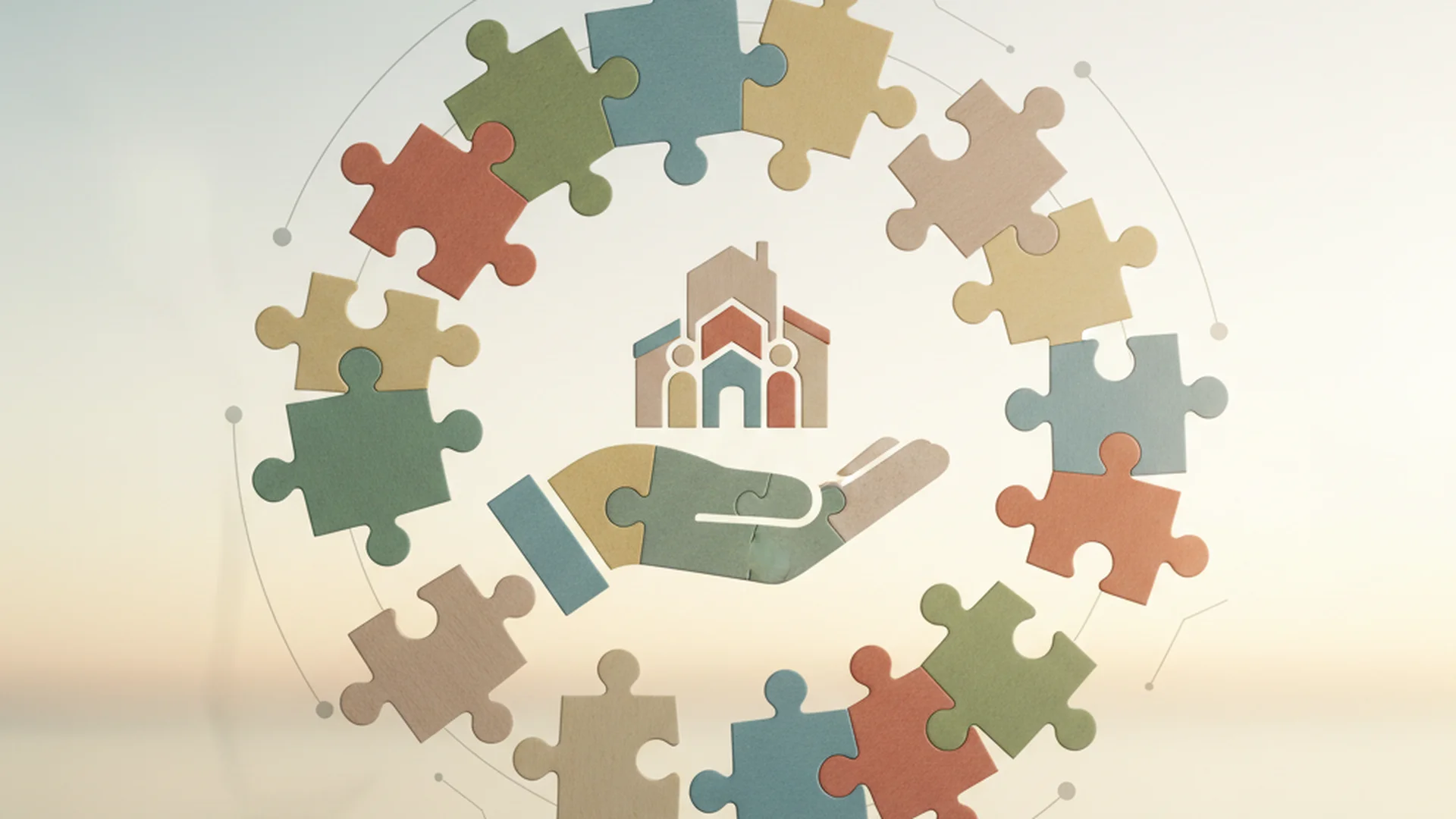
In the sterile, high-echo environments of modern correctional facilities, "sensory poverty" is a constant challenge. For decades, the public perception of prison puzzles was that of a simple time-waster—a way for incarcerated individuals to "kill time" until their release. However, as we move into 2025, a paradigm shift is occurring. Educators and psychologists now recognize that puzzles are not just games; they are scientifically backed rehabilitative tools that bridge the gap between isolation and cognitive restoration.
By integrating structured Logic Puzzles and collaborative jigsaw sets into correctional education puzzles, facilities are seeing measurable improvements in inmate behavior, mental health, and long-term success.
The Science of Cognitive Rehabilitation
Incarceration often leads to a decline in "global visuospatial cognition"—the ability to process and mentally manipulate visual information. This decline is exacerbated by the lack of mental stimulation in traditional cell blocks. Modern research shows that puzzles act as a "gym for the brain," targeting specific areas of cognitive function that are vital for post-release life.
Combatting Sensory Poverty
Sensory poverty refers to the lack of varied visual, tactile, and intellectual stimuli. When an individual is surrounded by grey concrete for years, their processing speed and episodic memory can begin to atrophy. Puzzles provide the necessary "bilateral brain stimulation" required to maintain these functions. This process is similar to EMDR therapy, which is frequently used to treat PTSD—a condition prevalent among the incarcerated population.
The "Flow State" and Stress Management
Solving a complex Sudoku or a high-level logic game induces a "flow state." This meditative level of focus is proven to lower cortisol levels and heart rates. In the high-stress environment of a prison, the ability to achieve a peaceful, focused state of mind is a critical tool for emotional regulation and conflict de-escalation.
The Economic and Social Case for Puzzle Programs
While some may view leisure activities in prison as a luxury, the data suggests they are a matter of public safety and fiscal responsibility. According to the RAND Corporation, participation in general correctional education programs is associated with a 13% to 43% lower risk of re-incarceration.
| Metric | Impact Value | Source |
|---|---|---|
| Recidivism Reduction | 13% - 43% | RAND Corporation |
| Taxpayer Savings | $4 - $5 per $1 spent | Journalist’s Resource |
| Mental Health Struggles | 37% of state prisoners | The Cade Moore Foundation |
By developing problem-solving skills through Brain Training exercises, inmates are better prepared to navigate the complexities of life after release. As 95% of inmates eventually return to society, the goal of these programs is to ensure they return as "better neighbors" who possess the emotional regulation skills required to hold jobs and support families.
Advertisement
Implementation: Physical vs. Digital Puzzles
Implementing a puzzle program in a high-security environment requires a delicate balance between therapeutic benefit and institutional security. Facilities generally use one of two formats:
1. Physical Jigsaw Puzzles
In many facilities, physical puzzles are used as "social hubs" in dayrooms or libraries. These 1,000-piece sets encourage teamwork and non-verbal communication. However, piece accountability is paramount.
2. Digital Tablet Puzzles
In 2025 and 2026, the trend has shifted toward "edutainment" on secure tablets. Platforms like Edovo and GTL allow inmates to access Crosswords and Number Games directly from their cells. This digital delivery allows for:
- Tracking Progress: Educators can see how an inmate's logic skills improve over time.
- Safety: Eliminates the risk of missing physical pieces.
- Incentives: High scores or consistent participation can be tied to "good behavior" credits.
Best Practices for Correctional Educators
For those developing these programs, several expert recommendations can maximize the rehabilitative impact:
Graduated Difficulty Levels
Avoid the mistake of providing only "easy" puzzles. Many incarcerated individuals have high intellectual aptitudes and find simplistic material insulting. A "puzzle library" should offer a range of difficulty, from beginner Word Search to advanced Math Puzzles, allowing inmates to experience a sense of achievement as they progress.
Integration with Mental Health Programming
Puzzles should be treated as more than just a pastime. When integrated into structured therapy, the "flow state" produced by puzzling can be used by clinicians to facilitate deeper trauma processing. It provides a non-threatening environment for inmates to open up about their experiences.
Common Mistakes to Avoid
When establishing prison puzzles as part of a curriculum, avoid these common pitfalls:
- Ignoring Piece Accountability: As mentioned, missing pieces are a security risk. Always use designated, high-visibility puzzle tables or transition to digital formats if physical tracking is impossible.
- The "Savior Complex": Educational volunteers should approach inmates as "students" or "clients" rather than people who need "saving." Professionalism fosters mutual respect and better learning outcomes.
- Using Flimsy Materials: Cardboard puzzles can be easily modified or destroyed. In some facilities, wooden puzzles with rounded edges are preferred for their durability and safety.
Advertisement
2025-2026 Trends: The Future of Prison Puzzles
The next two years will see a significant evolution in how these programs are delivered:
- AI-Enhanced Design: In 2025, organizations are exploring AI art generation to create custom puzzles tailored to specific psychological needs, such as imagery designed to trigger positive memories or lower anxiety.
- The "Prison Puzzle Project" Expansion: Organizations like the Cade Moore Foundation are scaling logic game deliveries to prison publications, ensuring even those in restricted housing have access to mental stimulation.
- Health-Based Reform: The 2025 Global Prison Trends report highlights a shift toward treating cognitive recreation as a standard of care rather than a luxury, aligning with human-rights-based approaches.
Frequently Asked Questions
Are physical jigsaw puzzles allowed in high-security facilities?
It varies by facility. While some allow them in common areas with piece-counting protocols, others have moved strictly to digital versions on secure tablets to eliminate the risk of missing pieces being used as contraband.
Why should inmates receive puzzles when law-abiding citizens have to buy their own?
Providing Puzzle Benefits to inmates is a matter of public safety. Puzzles develop the problem-solving and emotional regulation skills necessary for successful reentry into society. Reducing recidivism saves taxpayers millions of dollars in future incarceration costs.
What are the most popular types of puzzles in prison?
Sudoku and crosswords are the most common because they require the least amount of space. However, there is a growing demand for high-level Word Logic Games and complex mathematics-based puzzles among more advanced learners.
Conclusion
Prison puzzle programs represent a low-cost, high-impact intervention in the correctional system. By moving beyond "time-wasting" and focusing on cognitive rehabilitation, these programs provide a path toward mental health stability and successful community reintegration. Whether through a 1,000-piece landscape in a common room or a logic game on a digital tablet, puzzles are helping to rebuild the minds of those behind bars, one piece at a time.
For more information on how puzzles are used in various community settings, explore our guides on Library Puzzle Programs and Hospital Puzzle Programs.
Want to Learn More?
Discover the science behind how puzzles improve cognitive health for all ages.
Put it into practice
Keep reading
Community
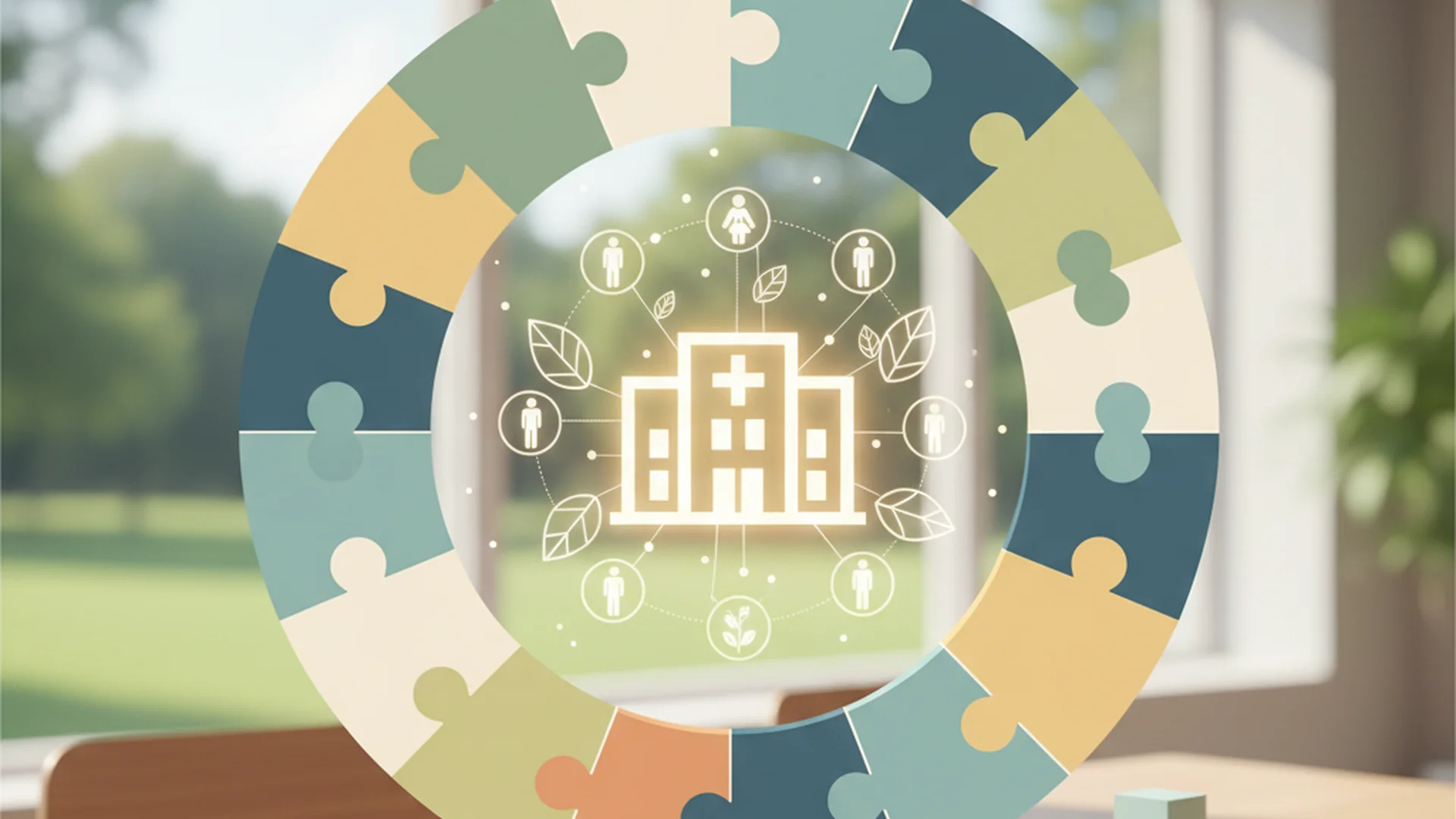
Beyond the Bedside: The Science and Strategy of Hospital Puzzle Programs
Explore how hospital puzzles are revolutionizing patient recovery, from cognitive stroke rehabilitation to anxiety reduction in pediatrics. Expert guide.
Jun 18, 2026 10 min
Community
Scout Puzzle Badges: A Comprehensive Guide for 2025-2026
Explore the evolving world of scout puzzle badges. Learn about new AI merit badges, age-appropriate scouting puzzle activities, and expert tips for 2025-2026.
May 3, 2026 10 min
Community
Multiplayer Puzzle Games: How to Solve and Compete with Friends
Discover the best multiplayer puzzles for 2025. Explore co-op strategies, upcoming releases like Split Fiction, and expert tips for gaming with friends.
Mar 29, 2026 12 min
Advertisement