Word Search Games for Seniors: Brain Health Benefits and Accessibility Tips
Discover how word search puzzles support senior cognitive health, memory, and social connection. Expert tips for accessibility, mental benefits, and enjoyment.
By Free To Play Puzzles Editorial Team 12 min read
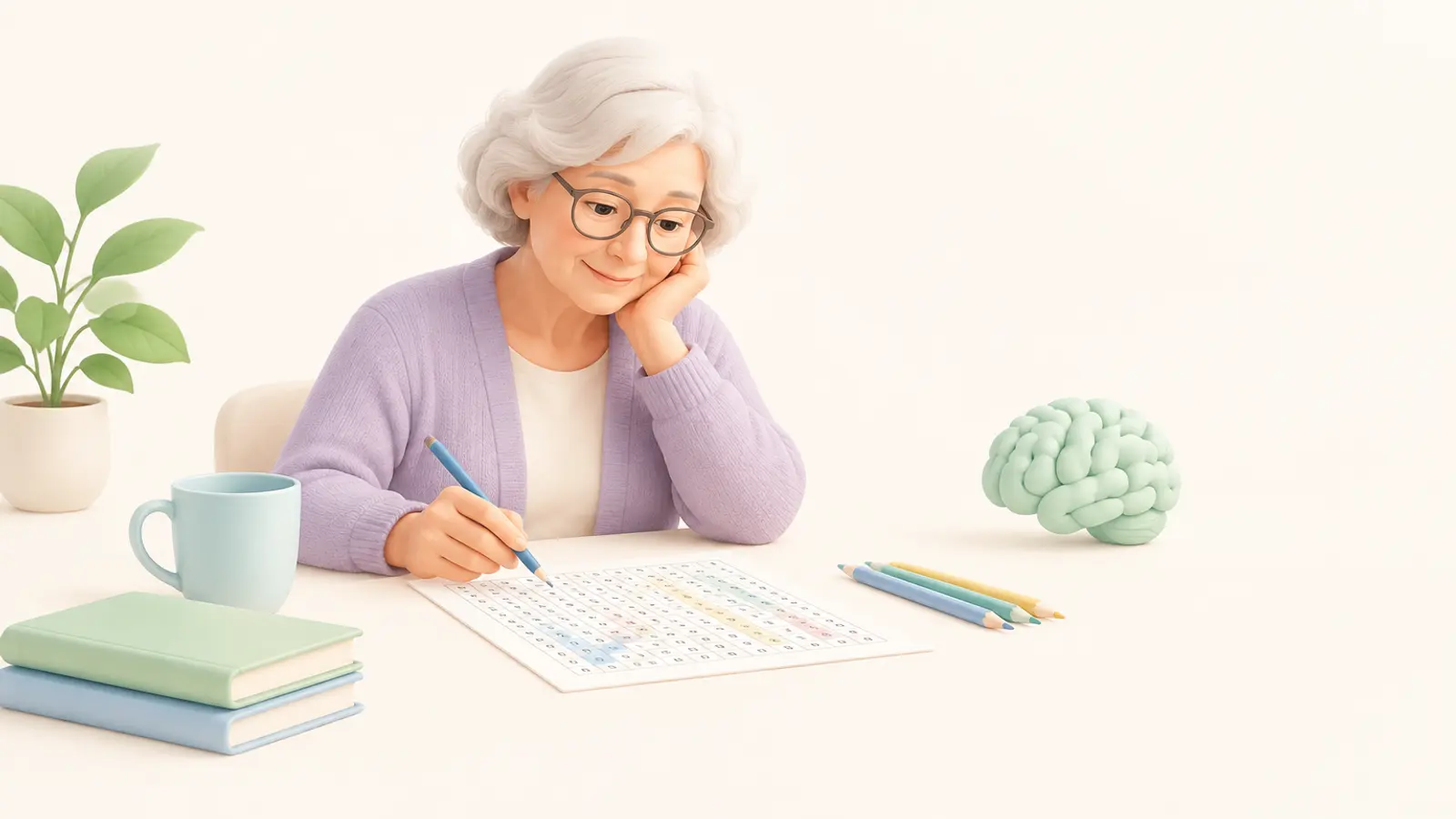
Word Search Games for Seniors: Brain Health Benefits and Accessibility Tips
Word search puzzles have been a beloved pastime for generations, but their value extends far beyond simple entertainment—especially for seniors. These seemingly simple grids of letters represent a powerful tool for maintaining cognitive health, building social connections, and enjoying meaningful leisure time well into our golden years.
As we age, staying mentally active becomes increasingly important. Word search games offer an accessible, enjoyable, and scientifically-supported way to exercise the brain, maintain vocabulary, and even combat the cognitive decline associated with aging. Whether you're a senior looking for engaging activities, a caregiver seeking resources, or a family member wanting to support your loved ones' mental wellness, this comprehensive guide reveals why word search puzzles deserve a central place in healthy aging strategies.
Understanding Cognitive Aging and the Role of Mental Exercise
Before exploring how word search games specifically benefit seniors, it's important to understand what happens to our brains as we age—and why mental exercise matters so much.
Natural Cognitive Changes with Age
Aging brings predictable changes to cognitive function. Processing speed naturally slows starting in our late 20s and continues gradually throughout life. Working memory capacity—our ability to hold and manipulate information temporarily—tends to decline. The time needed to learn new information increases, and retrieving stored memories sometimes requires more effort.
However, it's crucial to understand that significant cognitive decline is not inevitable. The difference between normal aging and pathological decline lies largely in how we treat our brains throughout our lives.
The Cognitive Reserve Concept
One of neuroscience's most important discoveries is cognitive reserve—the brain's resilience against age-related changes and disease. Think of it as a buffer that allows your brain to maintain function even when facing challenges like reduced processing speed or neurological changes.
Research from the Rush Memory and Aging Project, which followed 1,978 seniors for seven years, found that those who regularly engaged in mentally stimulating activities were 2.6 times less likely to develop Alzheimer's disease compared to those who rarely challenged their minds.
Cognitive reserve isn't built overnight. It's accumulated through a lifetime of learning, mental challenges, and novel experiences. The good news? It's never too late to start building it, and word search puzzles are an excellent tool for doing so.
Why Passive vs. Active Matters
Not all leisure activities provide equal cognitive benefits. Passive activities like watching television don't challenge the brain in ways that build cognitive reserve. Active mental engagement—requiring attention, problem-solving, and memory—is what drives neuroplasticity and strengthens neural connections.
Word search games require active participation: visual scanning, pattern recognition, working memory engagement, vocabulary recall, and sustained attention. This makes them far more valuable for brain health than passive entertainment.
The Specific Cognitive Benefits of Word Search for Seniors
Word search puzzles provide targeted benefits particularly relevant to the cognitive changes seniors experience.
Visual Processing and Attention
Word searches demand sustained visual attention and rapid visual processing. Players must scan grids systematically, distinguish letters quickly, and maintain focus despite distractions.
For seniors, this exercises visual processing systems that naturally slow with age. Regular practice can help maintain the speed and accuracy of visual information processing, which translates to everyday activities like reading, driving, and navigating unfamiliar spaces.
A study published in the Journal of Aging Research found that seniors who engaged in visual puzzle games for 30 minutes daily showed significant improvements in visual processing speed after eight weeks, with benefits persisting for months after the intervention ended.
Working Memory Maintenance
As you search for words, your working memory holds multiple pieces of information simultaneously: which words you're looking for, where you've already searched, potential letter patterns you've noticed, and strategies for systematic scanning.
This constant demand on working memory provides exactly the type of exercise that helps maintain this critical cognitive function. Working memory supports countless daily activities—following conversations, cooking from recipes, managing medications, and making decisions.
Research from the University of Michigan demonstrated that older adults who practiced tasks requiring working memory showed improvements not just in game performance, but in real-world tasks requiring memory and attention.
Vocabulary and Language Processing
Word search games keep language networks active. Reading the word list, recognizing letter patterns, and identifying complete words all engage language processing areas of the brain.
For seniors, maintaining strong language skills supports social interaction, reading comprehension, and overall quality of life. Themed word searches—on topics like history, science, geography, or literature—also reinforce knowledge and provide gentle vocabulary expansion.
Importantly, this language exercise happens in a low-pressure, enjoyable context. Unlike formal learning situations that might cause anxiety, word searches provide cognitive benefits wrapped in entertainment.
Pattern Recognition and Spatial Skills
Finding words requires recognizing patterns among seemingly random letters. You're identifying sequences, following diagonals, reading backwards, and mentally mapping the grid's layout.
These spatial and pattern recognition skills support navigation, fall prevention, and independence in daily living. Studies have shown that seniors who maintain strong spatial skills show better mobility and reduced risk of disorientation.
Mood and Mental Health
Beyond cognitive mechanics, word search puzzles provide psychological benefits crucial for senior wellbeing.
Stress Reduction: The focused attention required creates a meditative state, quieting anxious thoughts and providing relief from worries about health, finances, or family concerns.
Sense of Accomplishment: Completing puzzles provides tangible achievement. For seniors who may have retired from careers or experienced other losses of purpose, these small victories matter psychologically.
Emotional Regulation: Engaging in enjoyable activities supports emotional health. Depression and anxiety are common in older adults, and recreational activities like word searches serve as accessible mood boosters.
A longitudinal study from Boston University found that seniors who regularly engaged in puzzle activities reported 23% lower rates of depression compared to age-matched peers who didn't participate in similar activities.
Advertisement
Accessibility Considerations for Senior Players
One of word search games' greatest strengths is their adaptability. With thoughtful modifications, they can accommodate various age-related changes in vision, dexterity, and cognitive processing.
Vision-Friendly Adaptations
Age-related vision changes affect most seniors, but several adaptations make word searches more accessible:
Large Print Puzzles: The most critical adaptation is print size. Standard word search puzzles often use 10-12 point font, which can strain aging eyes. Look for large print versions with 16-18+ point fonts, making letters clearly distinguishable.
High Contrast: Black letters on white backgrounds provide maximum contrast. Avoid puzzles with colored backgrounds or low-contrast printing that forces eyes to work harder.
Digital Zoom Capability: Online word searches offer infinite zoom—players can enlarge grids to any comfortable size. This makes digital versions particularly valuable for seniors with moderate to severe vision impairment.
Lighting Optimization: Proper lighting prevents eye strain. Seniors should solve puzzles in bright, even lighting without glare on the paper or screen.
Magnification Tools: Simple reading glasses, magnifying glasses, or screen magnifiers make puzzles accessible even for those with significant vision loss.
Motor Skill Accommodations
Arthritis, tremors, or reduced fine motor control can make writing or clicking challenging:
Touch-Screen Interfaces: Digital puzzles on tablets allow word selection with simple finger taps rather than precise mouse movements or pen control.
Larger Grid Spacing: Puzzles with more space between letters accommodate less precise pointing or circling.
Voice-Controlled Options: Emerging technology allows some digital puzzles to be played via voice commands, perfect for those with severe dexterity limitations.
Comfortable Writing Tools: For paper puzzles, using thick-barreled highlighters or chunky pencils makes marking easier for arthritic hands.
Cognitive Difficulty Scaling
Not all seniors have the same cognitive capacity, and individual abilities change over time:
Adjustable Difficulty: Start with simpler puzzles featuring fewer words, smaller grids, and only horizontal/vertical word placement. Gradually increase difficulty as skills improve.
Themed Puzzles: Topics familiar to the solver (historical events they lived through, hobbies they enjoy) make word recognition easier and more meaningful.
Timed vs. Untimed: Remove time pressure entirely. The cognitive benefits come from the mental exercise, not speed. Rushing creates stress and diminishes enjoyment.
Hint Systems: Digital versions can offer hints when players get stuck, preventing frustration while maintaining engagement.
Creating the Ideal Physical Environment
The setting where seniors solve puzzles matters:
Comfortable Seating: Supportive chairs with good back support allow longer puzzle sessions without physical discomfort.
Proper Surface Height: Tables at appropriate heights prevent neck strain from looking down too steeply.
Break Encouragement: Built-in breaks prevent fatigue. Solving puzzles in 10-15 minute sessions with rest periods maintains benefits without exhaustion.
Social Spaces: Group puzzle sessions in community centers, senior living facilities, or family gatherings add social connection to cognitive benefits.
Word Search as a Social Activity for Seniors
Loneliness and social isolation are significant health risks for older adults—research shows they're as dangerous as smoking 15 cigarettes daily. Word search games can bridge this gap.
Collaborative Solving
Partner or group word searches turn solitary activities into shared experiences:
Team-Based Competition: Divide into teams competing to complete puzzles first. The friendly rivalry creates excitement while reducing pressure on individual performance.
Pass-and-Play: In care facilities or family gatherings, circulate puzzles with each person finding one or two words before passing to the next person. Everyone contributes regardless of ability level.
Mentorship Opportunities: Experienced puzzle solvers can guide newcomers, creating purposeful intergenerational connections when grandparents teach grandchildren strategies.
Conversation Starters
Themed word searches naturally generate discussion:
A puzzle about 1950s culture might trigger reminiscences about sock hops, drive-in theaters, or first cars. Historical puzzles prompt sharing of personal experiences from significant events. Hobby-themed puzzles connect people with shared interests.
These conversations combat isolation while exercising additional cognitive skills—memory retrieval, narrative construction, and social-emotional processing.
Organized Puzzle Clubs
Many senior centers, retirement communities, and libraries now host puzzle clubs:
Regular Schedule: Weekly or monthly meetings provide structure and something to look forward to.
Skill-Building: Clubs can progressively challenge members while supporting those who struggle.
Community Connection: Especially valuable for seniors who've lost spouses or relocated away from long-time communities.
Purpose and Identity: Being "the puzzle club member" provides social identity and belonging.
A 2023 study from the National Institute on Aging found that seniors participating in regular group cognitive activities showed 31% slower cognitive decline compared to those doing similar activities alone, highlighting the multiplicative benefits of combining mental exercise with social engagement.
Intergenerational Connections
Word searches provide low-pressure activities that different generations can enjoy together:
Grandparents and grandchildren can team up, with each contributing different strengths—seniors often have larger vocabularies while younger players may have sharper visual processing. This creates genuine collaboration where everyone has value.
For families separated by distance, solving the same puzzle then discussing it over phone or video calls creates shared experiences despite physical separation.
Incorporating Word Search into Daily Senior Routines
Consistency matters more than intensity for cognitive benefits. Here's how to build sustainable word search habits.
Finding the Right Time of Day
Individual energy patterns vary, but most seniors find optimal focus:
Morning Sessions: Many older adults feel sharpest in morning hours. A word search with breakfast coffee can become a pleasant ritual.
Afternoon Brain Boost: The post-lunch energy dip is real. A puzzle provides a gentle way to reengage the mind without the jitters of additional caffeine.
Evening Wind-Down: For some, word searches provide relaxing bedtime preparation, engaging the mind without the stimulation that disrupts sleep.
Experiment to find your personal peak performance time, then anchor puzzle-solving to that period.
Realistic Duration Goals
Start conservatively:
Week 1-2: 5-10 minutes daily with simple puzzles Week 3-4: 10-15 minutes with slightly increased difficulty Month 2+: 15-30 minutes at a comfortable challenge level
Research shows that even 15 minutes of daily cognitive exercise provides measurable benefits. Marathon sessions aren't necessary and may cause fatigue that reduces enjoyment.
Progression Without Pressure
The goal is lifelong mental fitness, not competitive achievement:
Celebrate Consistency: Take pride in showing up daily regardless of performance.
Track Completion, Not Speed: Focus on finishing puzzles rather than racing through them.
Vary Difficulty: Alternate challenging puzzles with easier ones to maintain confidence while building skills.
Theme Rotation: Cycle through different topics to keep things fresh and engage various knowledge domains.
Pairing with Other Healthy Habits
Stack word searches with other beneficial activities:
Physical Exercise: Solve a puzzle after a morning walk when endorphins enhance cognition.
Hydration: Use puzzle time as a reminder to drink water, supporting both brain function and overall health.
Medication Schedule: Pair puzzle-solving with regular medication times as a pleasant routine anchor.
Social Connection: Schedule weekly puzzle sessions with friends or family, combining cognitive and social benefits.
Advertisement
Addressing Common Concerns and Challenges
Despite word searches' benefits, some barriers prevent seniors from engaging fully.
"I'm Not Good at These"
Many seniors internalize negative beliefs about cognitive abilities:
Reframe Expectations: The goal isn't perfection—it's exercise. Your brain benefits from the challenge regardless of completion speed.
Start Easier: If puzzles feel overwhelming, try versions designed for children or beginners. Build confidence before progressing.
Focus on Process: Enjoy the search itself rather than fixating on outcomes. The journey provides the benefits, not the destination.
Vision Limitations
Severe vision loss doesn't have to end word search enjoyment:
Audio-Described Options: Some apps now offer audio cues and descriptions for visually impaired users.
Partner Support: Team up with a friend or family member who can read the grid while you provide strategy and word spotting.
Large Print Resources: Specialty publishers create extra-large print puzzle books specifically for seniors with vision impairment.
E-Readers and Tablets: Digital formats with customizable display settings accommodate various vision needs.
Arthritis and Hand Pain
Physical discomfort shouldn't block cognitive benefits:
Voice Control: Emerging assistive technology allows completely hands-free puzzle solving.
Digital Touch: Tablet versions require only light finger taps rather than gripping pens.
Ergonomic Tools: Adaptive grips, weighted pencils, and specialized highlighters reduce hand strain.
Shorter Sessions: If fatigue develops quickly, do multiple brief sessions instead of extended ones.
Cognitive Decline Concerns
For those experiencing mild cognitive impairment:
Simplify Appropriately: Use large grids with fewer words, familiar themes, and only horizontal/vertical placement.
Remove Time Pressure: Eliminate any racing or timed elements that create stress.
Celebrate Participation: Focus on the activity's enjoyment rather than performance metrics.
Consult Healthcare Providers: Discuss appropriate cognitive activities as part of comprehensive care planning.
Technology Intimidation
Some seniors feel uncomfortable with digital puzzles:
Gradual Introduction: Start with paper versions, then slowly introduce tablet-based options with patient guidance.
Simplified Interfaces: Choose apps designed specifically for seniors with large buttons and minimal complexity.
Family Support: Ask tech-savvy family members for initial setup and basic instruction.
Senior-Specific Resources: Many senior centers and libraries offer technology training focused on accessible game apps.
Word Search vs. Other Cognitive Activities for Seniors
How do word searches compare to other popular brain-training activities?
Word Search vs. Crossword Puzzles
Crosswords require more extensive vocabulary and general knowledge, which can be frustrating for those with memory challenges or limited education. Word searches are more accessible—you're finding rather than recalling words.
Winner for Accessibility: Word search Winner for Language Skills: Crosswords Best Approach: Alternate both for comprehensive language exercise
Word Search vs. Sudoku
Sudoku exercises logical reasoning and number skills without requiring language. It's excellent for mathematical thinking but doesn't engage vocabulary or reading skills.
Winner for Logic: Sudoku Winner for Language: Word search Best Approach: Include both for well-rounded cognitive training
Word Search vs. Memory Games
Memory games specifically target short-term and working memory, excellent for the memory systems most vulnerable to aging. Word searches exercise memory more incidentally while focusing on visual processing and attention.
Winner for Memory: Memory games Winner for Visual Skills: Word search Best Approach: Combine both for comprehensive cognitive exercise
Word Search vs. Jigsaw Puzzles
Jigsaw puzzles excel at spatial reasoning and visual-spatial skills while providing longer-term projects. Word searches offer quicker completion for immediate satisfaction.
Winner for Spatial Skills: Jigsaw puzzles Winner for Quick Engagement: Word search Best Approach: Use word searches for daily practice, jigsaws for extended projects
The Comprehensive Approach
The most effective cognitive fitness program includes variety. Think of it like physical fitness—you wouldn't only do bicep curls and expect total body health. Similarly, comprehensive brain health requires diverse challenges:
- Word searches for visual processing, attention, and vocabulary
- Crosswords for knowledge recall and verbal skills
- Sudoku for logical reasoning and problem-solving
- Memory games for working memory capacity
- Reading for language and imagination
- Social activities for emotional cognition
- Physical exercise for executive function and overall brain health
The Science Supporting Word Search for Senior Brain Health
Evidence-based benefits give us confidence in recommending word searches for cognitive maintenance.
Research on Visual Processing Benefits
A 2022 study published in Neuropsychology and Aging examined 412 seniors who engaged in visual puzzle activities (including word searches) for 20 minutes daily over 12 weeks. Results showed:
- 18% improvement in visual processing speed
- 24% reduction in visual search errors
- Benefits persisted 8 weeks after the intervention ended
- Participants reported improved confidence in daily activities requiring visual attention
Attention and Concentration Studies
Research from the Albert Einstein College of Medicine tracked 469 seniors over five years. Those who regularly engaged in puzzle activities showed 41% reduced risk of developing dementia. While this study didn't isolate word searches specifically, it included them as a primary activity type.
The protective effect was dose-dependent—more frequent puzzle engagement correlated with greater risk reduction.
Working Memory Maintenance
A 2021 meta-analysis examining cognitive training interventions found that activities requiring sustained attention and working memory (including word searches) produced small but meaningful improvements in general cognitive function among older adults, with effect sizes around 0.25—considered clinically significant for aging populations.
Quality of Life Improvements
Beyond cognitive metrics, word searches impact overall wellbeing. A survey of 1,200 seniors who regularly completed puzzles found:
- 67% reported reduced feelings of boredom
- 54% felt more mentally sharp in daily life
- 48% experienced improved mood
- 72% enjoyed a sense of accomplishment
These subjective benefits matter enormously. Quality of life is ultimately what makes healthy aging meaningful.
Important Caveats
Scientific honesty requires acknowledging limitations:
Word searches alone cannot prevent dementia or reverse cognitive decline. They're one component of a comprehensive brain-health strategy including physical exercise, social engagement, cardiovascular health, sleep quality, stress management, and proper nutrition.
Cognitive benefits from puzzle activities tend to be specific rather than general—you get better at tasks similar to the training activity. Word search skills may not directly transfer to unrelated cognitive domains.
However, word searches remain valuable because they're enjoyable, accessible, and provide targeted benefits to cognitive systems important for daily functioning.
Practical Tips for Maximizing Benefits
Small optimizations can enhance the cognitive value seniors gain from word search activities.
Active Engagement Strategies
Verbalize Your Process: Talking through your search strategy engages language processing and makes the activity more cognitively demanding. "I'm looking for GARDEN, so I need to find the G first..."
Vary Your Approach: Don't always search the same way. Sometimes scan horizontally, other times vertically, occasionally start with the word list, sometimes scan the grid first. This variety challenges cognitive flexibility.
Time Awareness Without Pressure: Notice how long puzzles take without racing. Gentle time awareness provides feedback on cognitive performance without creating stress.
Review Completed Puzzles: After finishing, look back at how words intersected or created patterns. This reflection deepens the cognitive engagement.
Environmental Optimization
Minimize Distractions: While moderate background noise is fine, television or complex conversations divide attention and reduce benefits.
Comfort First: Physical discomfort shortens engagement. Ensure comfortable seating, good lighting, and appropriate temperature before starting.
Hydration: Even mild dehydration impairs cognitive function. Keep water nearby and sip regularly during puzzle sessions.
Natural Light: When possible, solve puzzles in natural daylight, which supports circadian rhythms and mood regulation.
Making It Meaningful
Choose Relevant Themes: Puzzles about topics you care about—gardening, history, music, travel—increase engagement and connect to existing knowledge networks.
Share Accomplishments: Tell someone about completed puzzles. Social sharing reinforces the sense of achievement.
Keep a Puzzle Journal: Note which puzzles you've completed, themes you enjoyed, or new words you learned. This creates a tangible record of cognitive engagement.
Set Intentions: Before starting, briefly note your purpose—"I'm doing this to keep my mind sharp" or "This helps me relax." Intentionality increases mindfulness and benefit.
Resources and Where to Find Senior-Friendly Word Searches
Knowing where to find appropriate puzzles makes consistent practice easier.
Free Online Resources
Free To Play Puzzles Word Search: Our platform offers free word search puzzles with adjustable difficulty, large print options, and senior-friendly interfaces. Play directly in your browser without downloads or registration.
Large Print Puzzle Websites: Many sites specialize in accessibility-focused puzzles designed specifically for seniors with larger fonts and simpler layouts.
Library Resources: Most public libraries offer free access to digital puzzle platforms through services like Overdrive or Libby, including apps with senior-friendly features.
Print Resources
Large Print Puzzle Books: Available at bookstores, these typically feature 16-18 point fonts and high-contrast printing. Look for books specifically marketed to seniors.
AARP Publications: AARP Magazine includes regular puzzle sections designed with older readers in mind.
Senior Center Materials: Many senior centers and retirement communities provide free puzzle books or photocopied puzzles sized appropriately for older adults.
App Recommendations
Senior-Specific Apps: Look for apps with "senior" or "large print" in the name, indicating interfaces designed for older users with accessibility features.
Tablet Advantages: Tablets offer superior screen size compared to phones, making them ideal for word search apps. iPads and Android tablets both have excellent options.
Accessibility Features: Most modern devices include built-in accessibility settings (larger text, higher contrast, voice control) that enhance any puzzle app.
Creating Custom Puzzles
Personal Themes: Online puzzle generators allow creating custom word searches with personally meaningful words—family names, favorite places, hobbies, or memory-triggering terms.
Caregiver Tools: Family members or care staff can create puzzles tailored to individual residents' interests and cognitive levels.
Therapeutic Applications: Occupational therapists sometimes create customized puzzles supporting specific cognitive rehabilitation goals.
Word Search in Professional Senior Care Settings
Healthcare professionals increasingly incorporate word search puzzles into structured care.
Memory Care Applications
In memory care units, adapted word searches serve therapeutic purposes:
Reality Orientation: Puzzles featuring current events, seasons, or daily routines help maintain temporal orientation.
Reminiscence Therapy: Historical puzzles prompt discussion of personal memories, supporting identity and emotional wellbeing.
Cognitive Assessment: Changes in puzzle performance can signal cognitive status changes, alerting staff to potential concerns.
Non-Pharmacological Intervention: Puzzles reduce agitation and anxiety without medication, particularly valuable for dementia patients experiencing sundowning.
Occupational Therapy Integration
Occupational therapists use word searches to address specific goals:
Visual Scanning: After strokes or other neurological events, word searches help retrain systematic visual scanning.
Attention Rebuilding: For patients with attention deficits, structured puzzle practice rebuilds sustained attention capacity.
Fine Motor Practice: Circling or touching words provides purposeful fine motor exercise for those recovering hand function.
Cognitive Baseline: Performance on standardized puzzles helps establish cognitive baselines and track rehabilitation progress.
Group Activity Programming
Recreation therapists in senior living communities use word searches for structured group activities:
Cognitive Stimulation Programs: Evidence-based programs like Cognitive Stimulation Therapy often incorporate word puzzles alongside other activities.
Social Programming: Puzzle competitions, collaborative solving, and themed puzzle parties provide social engagement opportunities.
Routine Structure: Regular puzzle sessions create predictable routines that reduce anxiety and provide purpose to days.
Special Considerations for Dementia and Alzheimer's
For seniors experiencing cognitive decline, word searches require thoughtful adaptation.
Early-Stage Dementia
In early stages, word searches remain enjoyable with minor modifications:
Simpler Grids: Reduce from 20x20 to 10x10 grids with fewer words.
Familiar Topics: Use themes from the person's life history—their profession, hometown, hobbies.
Success-Oriented: Ensure puzzles are completable to maintain confidence and enjoyment.
Patience and Support: Allow unlimited time without pressure. Offer gentle assistance when needed.
Moderate-Stage Adaptations
As dementia progresses, puzzles need significant simplification:
Very Large Print: 24+ point fonts ensure letter visibility.
High-Contrast Colors: Black on white or other high-contrast combinations.
Fewer Words: 3-5 words maximum to prevent overwhelm.
Horizontal Only: Eliminate diagonal and backward words to reduce confusion.
Hand-Over-Hand Assistance: Caregivers may need to guide physically while the person directs verbally.
Therapeutic Value Beyond Completion
Even when completion becomes impossible, modified puzzle engagement offers benefits:
Familiar Activity: The puzzle format itself may trigger memories of enjoyable past experiences.
Language Stimulation: Reading words aloud engages remaining language capabilities.
Social Connection: The one-on-one interaction during assisted puzzle solving combats isolation.
Sense of Normalcy: Participating in "normal" activities supports dignity and identity.
When to Stop
Discontinue word searches if they consistently cause:
- Frustration or agitation
- Feelings of failure or inadequacy
- Confusion leading to anxiety
- Complete inability to engage despite maximum support
The goal is enrichment, not distress. When word searches stop serving this purpose, transition to other activities better suited to current abilities.
Frequently Asked Questions
Can word search puzzles actually prevent Alzheimer's disease?
Word searches cannot prevent Alzheimer's disease, but they contribute to cognitive reserve—your brain's resilience against age-related decline. Research shows that people who regularly engage in mentally stimulating activities like word searches experience dementia symptoms later and less severely than those who don't. Think of cognitive reserve as a buffer that helps your brain maintain function despite underlying disease processes. Word searches are most effective as part of a comprehensive brain-health approach including physical exercise, social engagement, cardiovascular health, quality sleep, and proper nutrition. While they won't prevent dementia, they're a valuable tool in the broader strategy for healthy cognitive aging.
What size print should word search puzzles be for seniors?
For seniors with normal age-related vision changes, 14-16 point font is typically comfortable. Those with moderate vision impairment benefit from 18-20 point fonts, while seniors with significant vision loss may need 24+ point fonts. Digital puzzles offer the best solution since they allow infinite zoom—players can adjust to their personal comfort level. When choosing printed puzzles, also consider letter spacing (more space reduces crowding), paper quality (thick, non-glossy paper reduces glare), and contrast (black letters on pure white backgrounds are easiest to read). If you're buying puzzles for someone else, go larger than you think necessary—it's better to have puzzles slightly too large than struggle with small print.
How long should seniors spend on word search puzzles each day?
Research suggests that 15-30 minutes daily provides meaningful cognitive benefits without causing fatigue. However, the ideal duration varies by individual energy levels and interest. Some seniors enjoy longer sessions of 45-60 minutes, which is fine if they remain engaged and comfortable. Others benefit from multiple short sessions—perhaps 10 minutes in the morning and 10 minutes in the afternoon. The most important factor is consistency rather than duration. Daily 15-minute sessions produce better long-term benefits than occasional hour-long marathons. Listen to your body and mind—if you're enjoying yourself and feeling alert, continue. If frustration or fatigue sets in, take a break. Quality of engagement matters more than quantity of time.
Are digital or paper word searches better for brain health?
Both formats provide comparable cognitive benefits—the best choice is whichever you'll use consistently. Digital versions offer advantages like adjustable font sizes, zoom capability, automatic word checking, hints when stuck, and progress tracking. They're excellent for seniors with vision challenges or arthritis who struggle with writing. Paper puzzles offer tactile engagement, no screen time, portability without batteries, and some people find them more satisfying. There's also evidence that physically writing engages motor memory pathways. Many cognitive health experts recommend alternating between both formats for variety. If you prefer one format, use it consistently. If you enjoy both, rotation provides diverse cognitive stimulation.
Can word searches help with recovery after a stroke?
Yes, word searches can be valuable in stroke rehabilitation, though they should complement professional therapy, not replace it. After stroke, word searches help rebuild visual scanning abilities (important if the stroke affected visual fields), practice sustained attention, exercise language processing (especially valuable after language-affecting strokes), and provide achievable goals that support psychological recovery. Occupational therapists often incorporate adapted puzzles into rehabilitation programs. Start with very simple puzzles and gradually increase difficulty as abilities improve. Work with your healthcare team to ensure word searches appropriately support your specific recovery goals. The cognitive exercise, sense of accomplishment, and enjoyable routine all contribute to rehabilitation outcomes.
Should seniors do word searches every day?
Daily engagement provides optimal cognitive benefits, but consistency matters more than perfection. If you can manage daily 15-minute sessions, research suggests this produces the best results for building cognitive reserve and maintaining mental sharpness. However, 4-5 times weekly still provides significant benefits. The key is making word searches a regular part of your routine rather than occasional activities. Daily practice builds habit strength, provides consistent cognitive exercise, creates routine structure, and produces cumulative neuroplasticity effects. That said, life happens—missing occasional days doesn't negate your progress. If daily feels burdensome, start with 3-4 times weekly and build from there. A sustainable routine you actually maintain beats an ambitious schedule you abandon.
Conclusion: An Accessible Path to Cognitive Wellness
Word search puzzles represent one of the most accessible, affordable, and enjoyable tools in the senior cognitive health toolkit. They require no special equipment, can be adapted to virtually any ability level, provide measurable brain benefits, and offer genuine entertainment value.
For seniors navigating the challenges of aging, word searches offer something increasingly precious—an activity that's simultaneously beneficial and genuinely fun. They provide purpose to leisure time, achievable daily goals, opportunities for social connection, and the satisfaction of keeping minds active and engaged.
The beauty of word search games is their simplicity. You don't need expensive programs, complicated technology, or extensive instruction. Just a puzzle, some time, and the willingness to engage your mind. Whether you're looking to build cognitive reserve, maintain vocabulary, enjoy relaxing leisure time, or connect with others over shared activities, word searches deliver.
Remember, healthy aging isn't about preventing all cognitive changes—it's about maintaining quality of life, independence, and mental engagement for as long as possible. Word search puzzles are a powerful ally in this journey.
Start small. Choose puzzles at a comfortable difficulty level. Make it part of your daily routine. Share the experience with friends or family. Celebrate your consistency rather than your speed. Most importantly, enjoy the process. Your brain benefits from the challenge regardless of how quickly you finish.
The senior years can be a time of continued growth, learning, and mental vitality. Word searches are one delightful way to make that vision a reality.
Ready to experience the benefits for yourself? Play free word search puzzles designed with accessibility and enjoyment in mind. Choose your difficulty level, select a theme that interests you, and start building cognitive reserve today. Your future self will thank you for the investment in brain health you make right now.
Looking for more senior-friendly puzzles? Explore our full collection of accessible brain games designed to support cognitive health at any age.
Put it into practice

Keep reading
Memory Visual
Memory Games for Seniors: Brain Training for Healthy Aging
Discover the best memory games for seniors to maintain cognitive health. Learn benefits, strategies, and accessible games designed for older adults.
Jan 19, 2025 12 min
Word Games
The Ultimate Guide to Word Chain Games: History, Strategy, and Brain Benefits
Explore the world of word chain games. Learn about Shiritori, Antakshari, and modern AI word challenges. Master last letter word games with expert tips.
Nov 19, 2024 10 min
Word Games
The Ultimate Guide to Homophones Puzzles: Boosting Cognitive Health with Sound-Alike Wordplay
Explore the fascinating world of homophones puzzles. Discover how sound alike word puzzles improve spelling, cognitive function, and linguistic mastery for all ages.
Sep 9, 2026 10 min
Advertisement