The Ultimate Guide to Large Print Word Search Books: Accessibility and Brain Health
Discover why large print word search books are essential for cognitive health and accessibility. Learn about typography standards, top trends, and expert puzzle tips.
By Free To Play Puzzles Editorial Team 12 min read
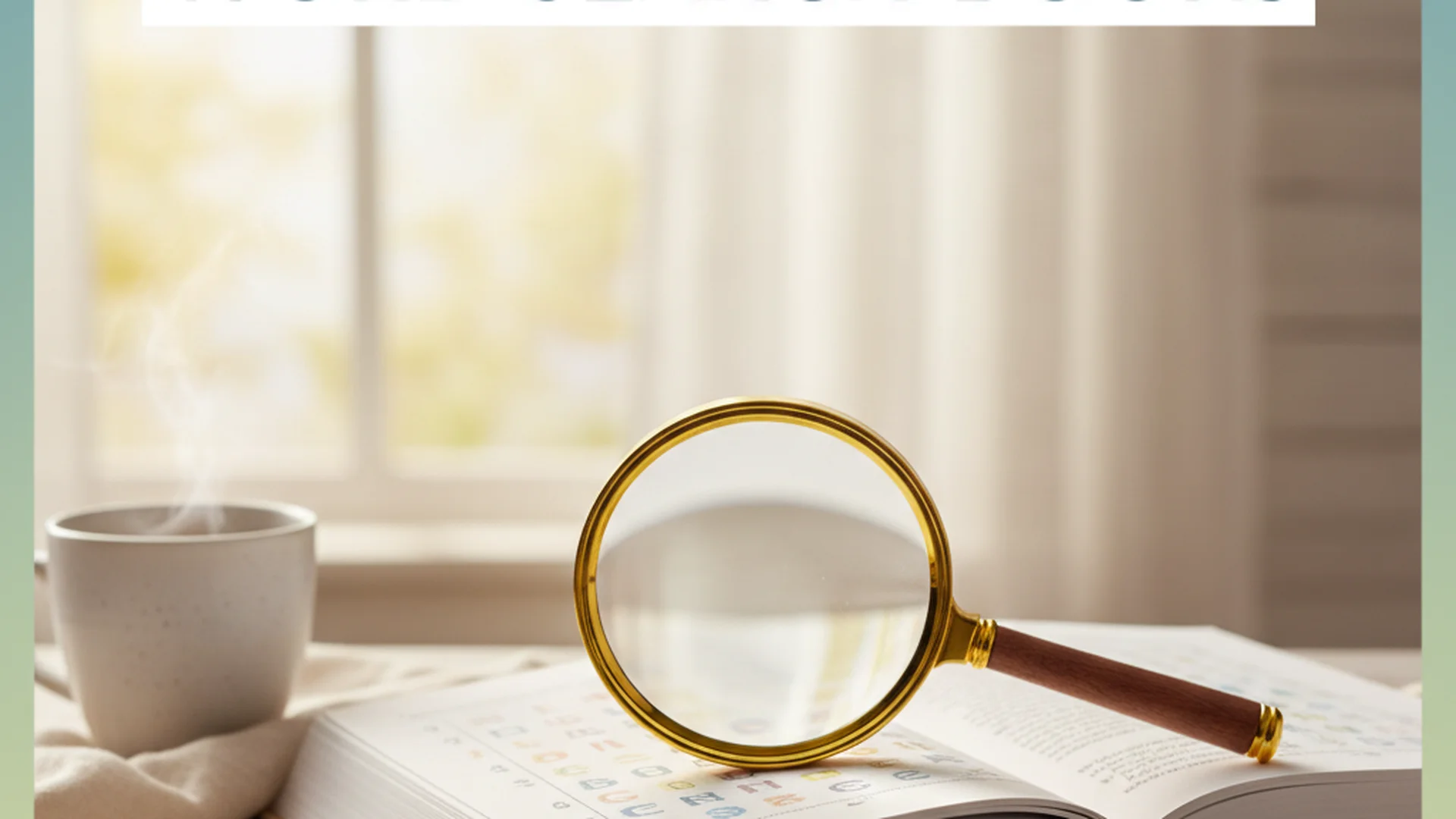
In an increasingly digital world, the humble paper-and-pen puzzle is making a massive comeback. Among the most popular formats are large print word search books, a niche that has evolved from a specialty item for the visually impaired into a mainstream wellness essential. Whether you are a senior looking to maintain cognitive sharpness or a puzzle enthusiast seeking a more comfortable, eye-strain-free experience, understanding what makes a "big text" puzzle effective is key to your enjoyment.
The demand for these books is surging, driven by a global shift toward "analog mindfulness" and a growing awareness of the cognitive benefits of word play. As a logic instructor, I have seen firsthand how the right formatting can transform a frustrating chore into a stimulating mental workout.
The Growing Demand for Accessible Puzzles
The global crossword and puzzle market is no longer a small corner of the bookstore. By 2025, the market reached an estimated $3.02 billion, with a projected growth rate of 3.45% through 2029. This growth is largely fueled by the "silver economy"—a demographic of active, health-conscious older adults who prioritize accessibility.
However, accessibility isn't just a niche concern. With over 2.2 billion people worldwide living with some form of vision impairment, the move toward big text word search options is a response to a universal need for better design. When text is easy to read, the brain can focus on the logic of the search rather than the physical strain of squinting.
Why Cognitive Health Starts with a Grid
Research led by King’s College London and the University of Exeter has provided some of the most compelling evidence for picking up a word search. Their studies indicate that adults over the age of 50 who regularly engage in word puzzles have brain function equivalent to individuals 10 years younger in grammatical reasoning. Furthermore, their short-term memory performance reflects that of someone 8 years younger.
By engaging in a word search, you are exercising your pattern recognition and selective attention. These are the same neural pathways used for finding your keys or navigating a new grocery store layout.
Advertisement
Defining "True" Large Print: Beyond the Font Size
One of the biggest frustrations for consumers is buying a book labeled "Large Print" only to find the text is barely larger than a standard newspaper. In the publishing industry, there are specific standards that define high-quality accessibility.
Typography and Font Choice
It isn't just about size; it’s about style. Professional puzzle designers recommend:
- Sans Serif Fonts: Fonts like Arial, Helvetica, or Verdana are much easier to read in a grid than "serif" fonts (like Times New Roman) which have small "feet" on the letters.
- Font Size: While 14pt is technically the minimum for large print, true accessibility requires 16pt to 18pt for the word list and 20pt or larger for the letters inside the puzzle grid.
- No Italics: Decorative or slanted fonts cause "visual crowding," making it harder for the eye to distinguish between an 'E' and an 'F'.
Grid Density
A common mistake is cramming too many letters into a single page. For a comfortable experience, the grid should generally be limited to 15x15 or 18x18 letters. If the grid is 30x30, even a large font won't prevent the page from looking cluttered and overwhelming.
| Feature | Standard Print | True Large Print |
|---|---|---|
| Font Size | 10pt - 12pt | 16pt - 20pt+ |
| Grid Size | Up to 30x30 | Max 18x18 |
| Paper Type | Thin/Grayish | Matte/Off-white |
| Words per Puzzle | 30+ | 15 - 25 |
Real-World Examples of High-Performing Themes
The days of generic "Nature" or "Fruit" word searches are fading. In 2025 and 2026, the trend has shifted toward hyper-niche interests that provide a more immersive experience.
- Nostalgia Puzzles: "1970s TV Sitcoms" or "Classic Cars of the 50s" are massive hits on platforms like Amazon. These themes do more than just provide a game; they trigger "reminiscence therapy," which is highly beneficial for mental well-being.
- Career-Specific Puzzles: Titles like "Word Search for Nurses" or "The Civil Engineer's Puzzle Book" have become popular gifts. They use technical vocabulary that keeps the mind engaged with familiar professional concepts.
- Regional Interests: Books like "Garden Birds of the Pacific Northwest" allow users to connect their hobby of puzzling with their local environment.
New Trends for 2025-2026: The "Strands" Effect
The digital success of the New York Times game Strands has begun to influence physical large print word search books. Modern editions are now incorporating "Spangrams"—a theme-defining word that spans from one side of the grid to the other.
Additionally, we are seeing:
- Non-Overlapping Paths: Instead of words crossing each other in a confusing mess, some modern designs use paths that never overlap, which adds a layer of word logic similar to a maze.
- Digital Hybrids: Some books now include QR codes. Scanning the code after finishing a puzzle might take you to a video about the theme or a digital leaderboard.
- Personalization: AI-enhanced publishing allows families to create custom books for milestones, such as a "50th Wedding Anniversary Word Search" featuring the names of family members and shared memories.
Advertisement
Common Mistakes to Avoid
When shopping for or designing large print puzzles, be wary of these common pitfalls:
1. The "Small Solution" Trap
This is the number one complaint in book reviews. A publisher will put beautiful 20pt font in the puzzles but then shrink the answer keys to 8pt font at the back to save on paper costs. A high-quality book maintains a minimum of 16pt font even for the solutions.
2. Direction Overload
While young enthusiasts might enjoy "diagonal-backward-upside-down" words, many seniors find this more frustrating than fun. For a relaxing experience, stick to horizontal, vertical, and simple downward diagonals. If you want a challenge, look for books that specifically focus on diagonal word search tips.
3. Tight Margins
If the letters are too close to the "gutter" (the middle of the book where the pages are bound), they become difficult to see and circle. Always look for books with wide margins or, ideally, a spiral-bound spine.
Frequently Asked Questions
What actually qualifies as "Large Print"?
In the puzzle industry, 14pt is the bare minimum, but for true accessibility, you should look for 16pt to 18pt for text and 20pt+ for the puzzle grid itself.
Are these books good for dementia or Alzheimer's?
Yes. The Alzheimer’s Association recognizes word searches as a "mentally stimulating activity" that can help maintain cognitive pathways. While not a medical cure, they are a vital tool for cognitive wellness and engagement.
Should I get a spiral-bound or glue-bound book?
If possible, choose spiral-bound. They stay open on a table without needing to be held down, which is much more comfortable for long sessions and better for those with hand joint pain.
Why are some words written backwards?
Backwards words add a layer of difficulty by forcing the brain to process letters in reverse order. However, if this is too difficult, many large print books offer "easy" versions where words only go forward and down. You can learn more about this in our guide on backwards words in word searches.
Do solutions have to be large print too?
Ideally, yes. A "true" large print book should never require a magnifying glass to check the answers. Always check reviews to ensure the solution font size matches the puzzle font size.
Conclusion
Large print word search books are far more than just a pastime; they are a bridge to better cognitive health and a more accessible world. By choosing books with the right typography, high-contrast paper, and thoughtful grid designs, you can enjoy hours of mental stimulation without the frustration of eye strain.
Whether you're exploring educational word searches or diving into a specialized theme like a bible word search, the key is to find a format that respects your eyes as much as it challenges your brain.
Ready to Start?
Explore our collection of word logic games and puzzles to keep your mind sharp.
Put it into practice
Keep reading
Word Search
Word Search for Seniors: The Ultimate Guide to Brain Health in 2025
Discover how word search for seniors can reduce cognitive age by 10 years. Learn the best practices, latest 2025 research, and how to choose the perfect puzzle.
Dec 24, 2024 12 min
Word Search
The Ultimate Guide to Word Search Books for Kids: Cognitive Benefits and 2025 Trends
Discover why word search books kids love are booming in 2025. Explore cognitive benefits, age-appropriate grids, and the latest trends in children’s puzzles.
Mar 15, 2025 12 min
Word Search
The Ultimate Guide to Printable Word Search Puzzles for Kids: Education Meets Play
Discover why printable word search kids love are essential for development. Learn about 2025 trends, age-appropriate designs, and cognitive benefits.
Aug 20, 2026 10 min
Advertisement